
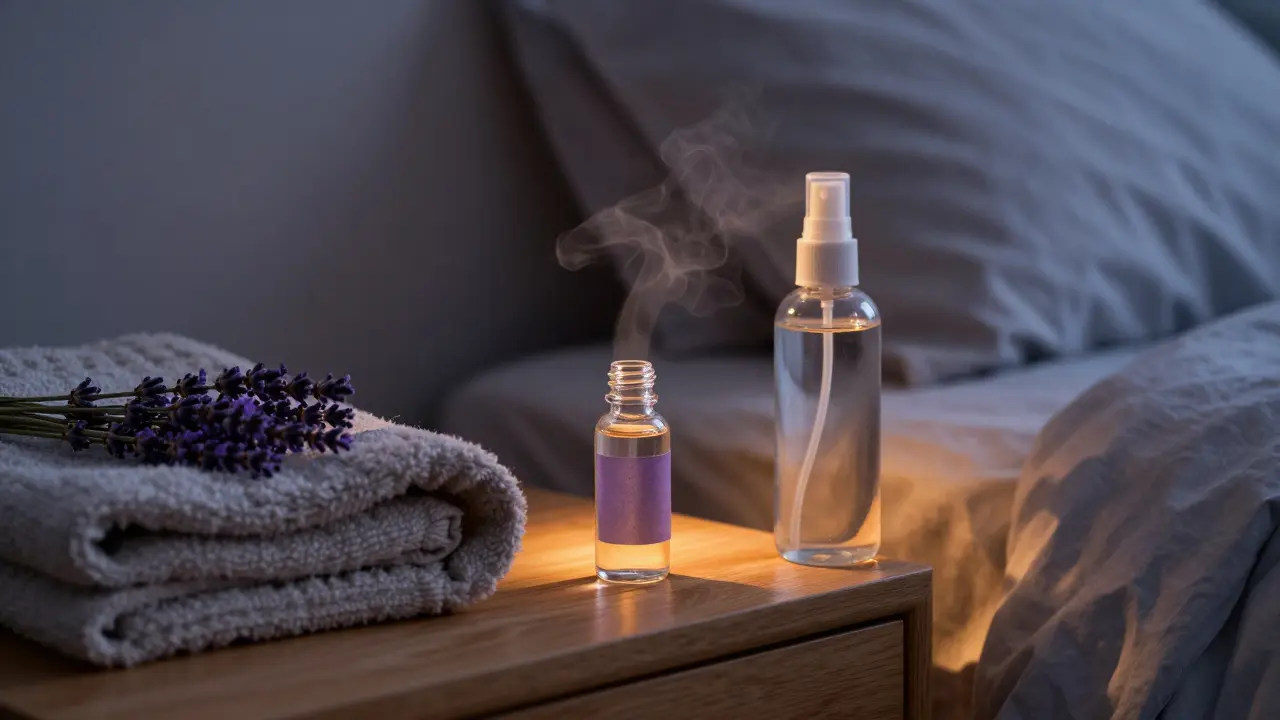
Ever walked into a room and instantly felt calmer, more energized, or less anxious-without knowing why? That’s often aromatherapy at work. It’s not magic, but it’s science-backed, simple, and surprisingly accessible. If you’re new to aromatherapy, you might feel overwhelmed by all the oils, diffusers, and claims online. Let’s cut through the noise. This isn’t about buying a dozen bottles or becoming a holistic expert. It’s about starting smart, staying safe, and actually feeling the difference.
What aromatherapy really is (and isn’t)
Aromatherapy uses natural plant extracts-mostly essential oils-to support physical and emotional well-being. These oils are concentrated liquids pulled from flowers, leaves, bark, or roots. They’re not the same as fragrance oils, which are synthetic and made for scent alone. Real aromatherapy uses oils like lavender, peppermint, or eucalyptus that have been tested for their effects on mood, sleep, or inflammation.
It’s not a cure for diseases. Don’t expect an essential oil to replace medicine. But it can help with everyday things: easing tension after a long day, improving focus during work, or helping you fall asleep faster. A 2022 study from the Journal of Alternative and Complementary Medicine found that lavender oil significantly reduced anxiety levels in participants using it daily for two weeks. No pills. No side effects. Just scent.
Start with three oils you can actually use
You don’t need a full cabinet. Start with three. They cover 80% of common needs:
- Lavender: The go-to for relaxation and sleep. It’s gentle, widely available, and works for most people. Use it before bed or when stress hits.
- Peach: Not peach fruit-peppermint. It’s sharp, refreshing, and great for mental fog or headaches. A drop on your temples (diluted!) can clear your head in minutes.
- Eucalyptus: Think steamy showers. It helps with breathing, especially during cold season. Great for diffusing when you feel stuffy.
These three are safe, affordable, and backed by real user feedback. Skip the exotic blends for now. Stick to basics until you know what works for you.
How to use essential oils safely (no guesswork)
Essential oils are powerful. A little goes a long way-and too much can irritate skin or trigger headaches. Here’s how to avoid common mistakes:
- Never apply undiluted to skin. Even lavender can cause reactions if used straight. Mix 1-2 drops with a teaspoon of carrier oil like coconut, jojoba, or sweet almond oil.
- Do a patch test. Put a drop of your diluted oil on your inner wrist. Wait 24 hours. If no redness or itching, you’re good to go.
- Keep away from eyes and mucous membranes. If you accidentally get oil in your eye, flush with milk or vegetable oil-not water. Water spreads the oil.
- Don’t use around pets or babies. Cats are especially sensitive to oils like tea tree and citrus. Keep diffusers out of reach.
- Store properly. Keep oils in dark glass bottles, away from sunlight and heat. They lose potency in 6-12 months.
These five rules stop 90% of problems. Skip the YouTube tutorials that say “just rub it on.” Safety isn’t optional.
Simple ways to try aromatherapy today
You don’t need a $200 diffuser. Start with what you already have:
- DIY room spray: Mix 10 drops of lavender with 1/2 cup distilled water in a spray bottle. Shake before use. Spritz your pillow or workspace.
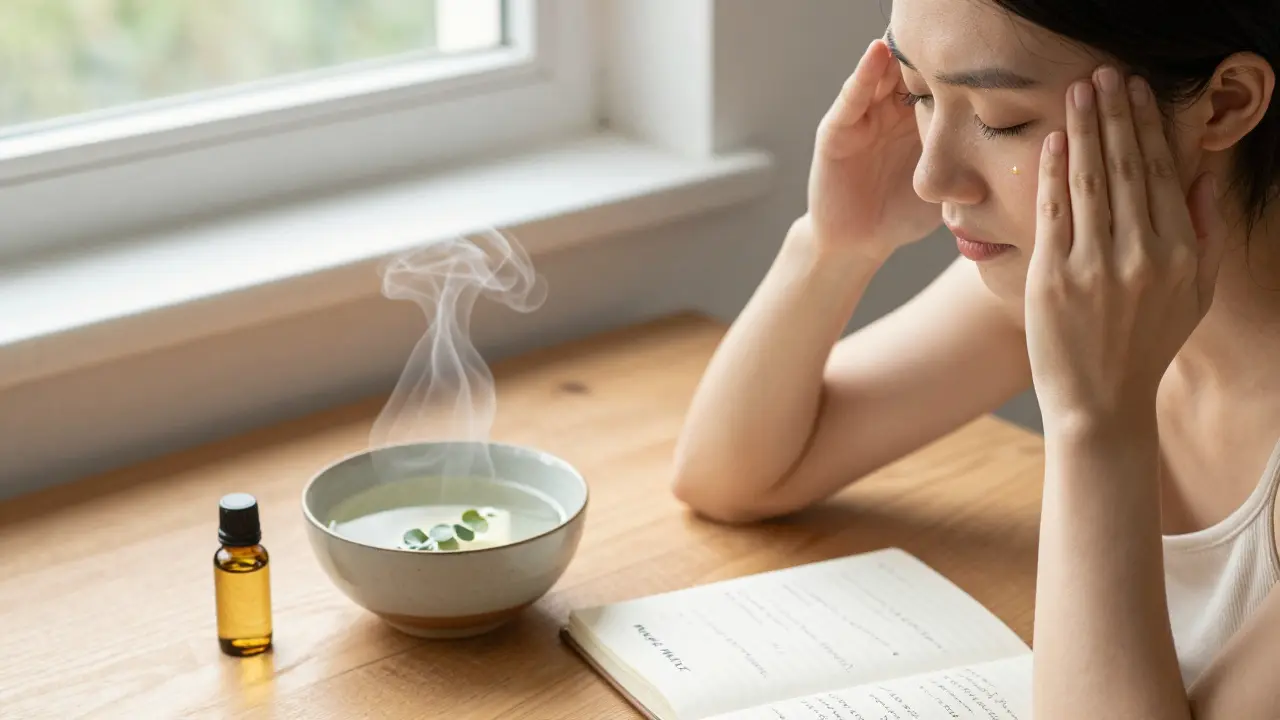
- Steam inhalation: Boil water, pour into a bowl, add 2 drops of eucalyptus. Cover your head with a towel, breathe deep for 3 minutes. Do this once a day if you’re congested.
- Shower therapy: Put a drop of peppermint on the shower floor (away from the drain). The steam releases the scent as you shower.
- Hand roll-on: Buy a small glass roller bottle. Fill it 3/4 with jojoba oil, add 5 drops of lavender. Roll on wrists or neck when you need calm.
These methods cost less than $15 and take under 5 minutes. No equipment needed. You’re not trying to recreate a spa-you’re just adding calm to your routine.
What to avoid (and why)
There’s a lot of hype. Here’s what to skip:
- Essential oil ingestion. Unless you’re under a certified aromatherapist’s care, don’t swallow oils. Even “food-grade” ones aren’t safe internally. This isn’t a myth-it’s a hospital visit waiting to happen.
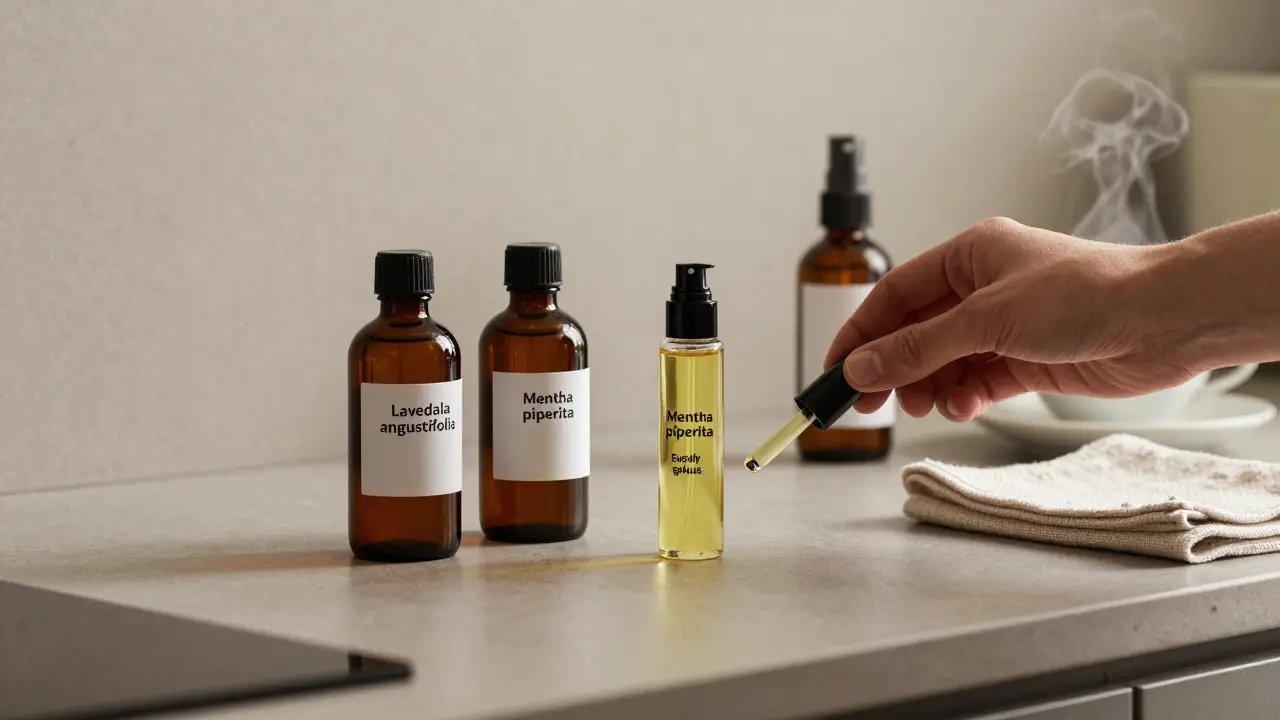
- Buying from Amazon without checking. Many sellers label fragrance oils as “essential oils.” Look for the Latin name on the bottle: Lavandula angustifolia for lavender. If it just says “lavender oil,” walk away.
- Using oils daily without breaks. Your nose gets used to scents. Use oils 3-4 days a week, then take 2-3 days off. This keeps your sense of smell sharp and prevents overexposure.
- Assuming more is better. Ten drops won’t make you feel 10x better. One or two drops, properly used, is enough. Overuse leads to headaches, nausea, or skin sensitivity.
When to talk to a professional
Aromatherapy is safe for most people-but not all. See a trained aromatherapist or your doctor if:
- You’re pregnant or breastfeeding
- You have asthma, epilepsy, or seizures
- You’re on blood thinners or hormone medications
- You have sensitive skin or eczema
These aren’t warnings to scare you-they’re red flags. A certified aromatherapist can help you pick oils that won’t interfere with your health. Look for someone with credentials like C.A. (Certified Aromatherapist) from NAHA or AIA.
What comes next
Once you’ve tried the basics, you might want to explore blends. Lavender + citrus for mood lift. Peppermint + rosemary for focus. But don’t rush. Master one oil at a time. Keep a simple journal: note what oil you used, how you used it, and how you felt 30 minutes later. After a few weeks, patterns will show up.
You don’t need to be perfect. Miss a day? Skip a scent? That’s fine. Aromatherapy isn’t a chore. It’s a quiet tool-one that fits into your life, not the other way around.
Can I use aromatherapy if I have allergies?
Yes-but with caution. If you’re allergic to plants like ragweed or grasses, you might react to oils from similar sources. Test every new oil with a patch test. Avoid oils from plants you’re allergic to. For example, if you’re allergic to chrysanthemums, skip chamomile. When in doubt, start with lavender-it’s one of the least allergenic oils.
How long do essential oils last?
Most last 1-3 years if stored properly in dark glass bottles away from heat and light. Citrus oils (like lemon or orange) break down faster-about 6-12 months. Lavender and eucalyptus last longer. If the oil smells off, looks cloudy, or feels sticky, it’s time to replace it.
Is diffusing essential oils safe for kids?
It can be, but only with low concentrations and short sessions. Use 1-2 drops in a large diffuser for no more than 30 minutes at a time. Avoid strong oils like peppermint, eucalyptus, or tea tree around children under 6. Always let kids leave the room if they seem bothered by the scent. Better safe than sorry.
Do I need a diffuser to use essential oils?
No. Diffusers are convenient, but not required. You can inhale directly from the bottle (briefly), use a cotton ball, make room sprays, or add oils to bathwater (always diluted). The goal is to breathe the scent-not fill your house with it.
Can I mix essential oils together?
Yes, once you’re comfortable with single oils. Start with two-like lavender and bergamot for calm. Use no more than 3 oils per blend. Always dilute the mixture in a carrier oil before applying to skin. Keep notes on what works. There’s no magic formula-just personal preference.
Final thought: Less is more
Aromatherapy isn’t about collecting oils. It’s about finding one or two that help you feel better-and using them wisely. You don’t need to know every oil’s history. You just need to know how to use the ones that work for you. Start small. Stay safe. Listen to your body. That’s all it takes.
 Health and Wellness