
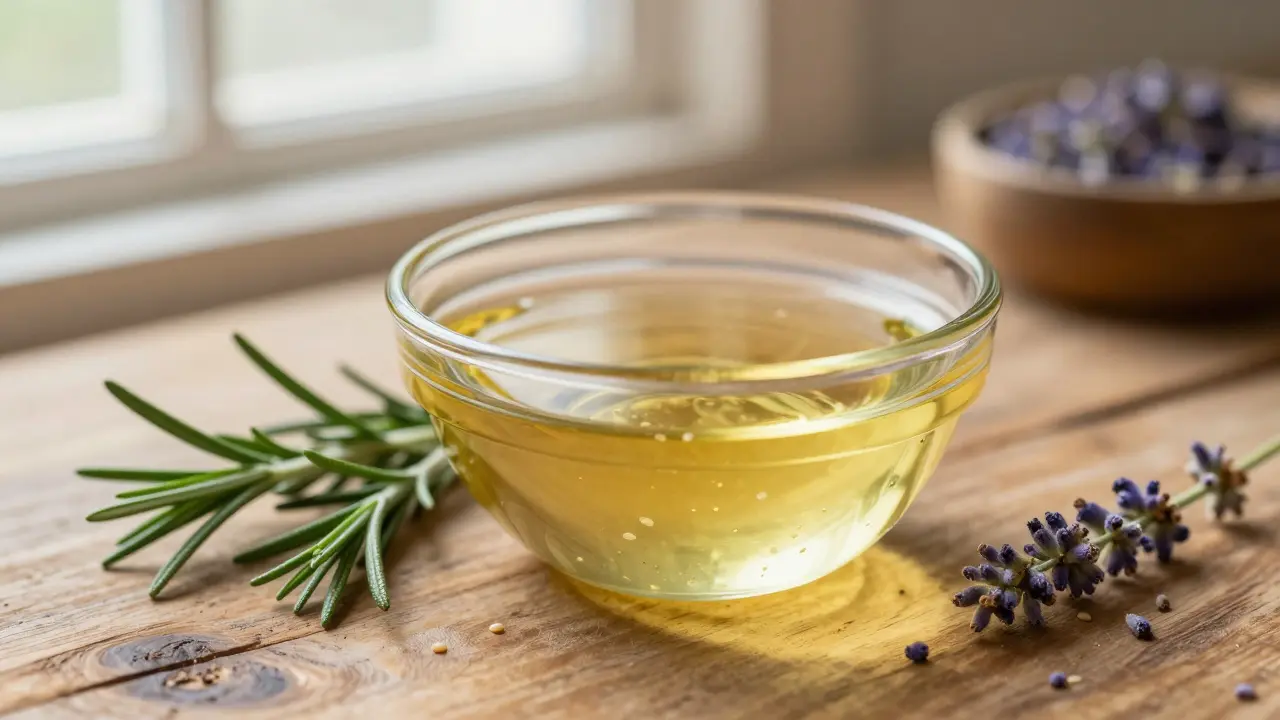
You walk into the room, and before a single hand touches your skin, you smell warm sesame oil. It’s earthy, nutty, and instantly grounding. This isn’t just another spa treatment; it is Ayurvedic Massage, a practice rooted in ancient Indian medicine that treats the body as an interconnected system rather than a collection of isolated parts. Unlike Swedish massage, which focuses on relaxation through light pressure, or deep tissue work that targets specific knots, Ayurvedic massage aims to restore balance to your entire being. It moves energy, improves circulation, and calms the nervous system all at once.
Quick Takeaways
- Ayurvedic massage uses warm herbal oils tailored to your unique constitution (Dosha) to improve health.
- It boosts lymphatic drainage, helping the body eliminate toxins more efficiently.
- The rhythmic strokes reduce cortisol levels, offering immediate stress relief and better sleep.
- Regular sessions can improve skin elasticity, joint mobility, and digestive function.
- Unlike generic massages, this therapy requires personalized oil selection for maximum benefit.
What Makes Ayurvedic Massage Different?
To understand why this therapy works so well, you first need to grasp its foundation. Ayurveda, often called the "science of life," dates back over 3,000 years. It operates on the principle that health comes from balancing three bio-energies known as Doshas: Vata (air and space), Pitta (fire and water), and Kapha (earth and water). Every person has a unique combination of these energies. When they are out of balance, illness and discomfort follow.
In a typical Western massage, the therapist might use one type of lotion for everyone. In Ayurvedic massage, the oil is chosen specifically for you. If you have a Vata imbalance-characterized by anxiety, dry skin, and irregular digestion-you will receive heavy, warming oils like sesame or almond. If you are Pitta-dominant, prone to inflammation and heat, you’ll get cooling oils like coconut or sunflower. For Kapha types, who may struggle with sluggishness and congestion, lighter, stimulating oils like mustard or safflower are used. This personalization is what transforms the session from a simple rubdown into a therapeutic intervention.
The Core Technique: Abhyanga
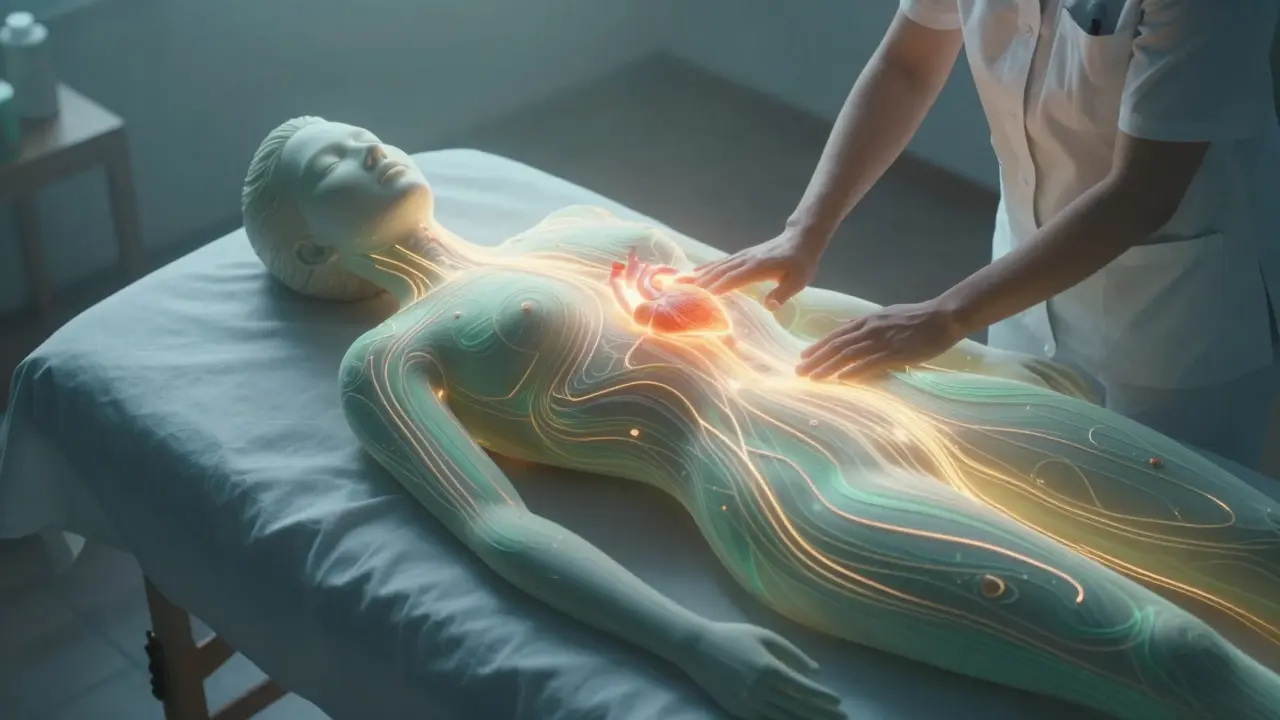
The most common form of Ayurvedic massage is Abhyanga, a self-massage or partner-massage technique using warm oil. The process is methodical and deliberate. The therapist applies warm oil to the body using long, flowing strokes that follow the direction of hair growth and lymphatic flow. They move from the extremities toward the heart, encouraging venous return and lymphatic drainage.
The warmth of the oil is crucial. Cold oil sits on the surface; warm oil penetrates deeper into the tissues. As the oil absorbs, it nourishes the cells from within. The therapist doesn’t just press muscles; they manipulate the Marma points, vital energy centers located along nerve bundles and blood vessels. Stimulating these points releases trapped energy and tension, providing relief that extends far beyond the physical layer. You might feel a tingling sensation or a sudden release of emotion during this process, which is a normal part of the detoxification journey.
Physical Benefits: More Than Just Relaxation
While feeling relaxed is a wonderful side effect, the physical changes happening under your skin are profound. Here is how Ayurvedic massage impacts your body structurally:
- Improved Circulation: The rhythmic stroking acts as a pump for your cardiovascular system. It pushes deoxygenated blood back to the heart and lungs, where it can be re-oxygenated. This reduces swelling in the legs and feet, making it ideal for people who stand all day or suffer from mild edema.
- Lymphatic Detoxification: Your lymphatic system lacks a central pump like the heart. It relies on movement to flush out waste products. The gentle, directional strokes of Ayurvedic massage manually stimulate this system, helping your body remove metabolic waste and toxins more effectively.
- Joint Mobility: The oils penetrate the connective tissues around joints. For those with arthritis or stiffness, regular Abhyanga can lubricate the joints, reducing friction and pain. The warmth also relaxes tight tendons and ligaments, allowing for greater range of motion.
- Skin Health: The oils are rich in fatty acids and antioxidants. They hydrate the skin barrier, improving elasticity and texture. Many users report that their skin looks brighter and feels softer after just a few sessions. The exfoliating nature of the massage also helps slough off dead skin cells.
Mental and Emotional Healing
Your mind and body are not separate entities in Ayurveda. Stress creates stagnation in the body, and physical tension amplifies mental anxiety. Ayurvedic massage breaks this cycle. The slow, predictable rhythm of the strokes triggers the parasympathetic nervous system-the "rest and digest" mode. This lowers your heart rate and blood pressure immediately.
For many people, the biggest benefit is the reduction of mental chatter. In our fast-paced world, we rarely sit still for long periods. During an Ayurvedic massage, you are encouraged to lie quietly for 15-20 minutes after the oil application before showering. This period, known as Snehana, allows the oil to fully penetrate and the mind to settle. It forces a pause in your day, giving your brain a chance to reset. Users often report sleeping more deeply and waking up with fewer worries after incorporating this practice into their routine.
| Feature | Ayurvedic Massage | Swedish Massage | Deep Tissue Massage |
|---|---|---|---|
| Primary Goal | Dosha balance & holistic healing | Relaxation & circulation | Release chronic muscle tension |
| Medium Used | Warm herbal oils (personalized) | Lotions or light oils | Firm lotions or creams |
| Pressure Level | Moderate, rhythmic, flowing | Light to moderate | Firm to intense |
| Focus Area | Whole body, Marma points | Major muscle groups | Specific problem areas |
| Post-Treatment | Oil absorption time, then warm shower | Immediate dressing | Hydration recommended |
Who Should Try Ayurvedic Massage?
This therapy is versatile, but it shines brightest for certain conditions. If you struggle with chronic stress, insomnia, or digestive issues, Ayurvedic massage can be transformative. It is also excellent for athletes who need recovery without the aggressive breakdown of sports massage. The gentle stimulation promotes healing without causing additional inflammation.
However, it is not always suitable for everyone. If you have acute injuries, open wounds, fever, or severe infections, you should avoid massage until you heal. Pregnant women should consult their healthcare provider before undergoing any massage, especially in the first trimester. Always communicate your health history to your therapist so they can adjust the pressure and oil choice accordingly.
How to Get Started
If you want to experience these benefits, start by finding a certified Ayurvedic practitioner. Look for someone trained in traditional methods, not just a spa offering "Ayurvedic-style" treatments. Ask them about their approach to Dosha assessment. A good therapist will ask questions about your diet, sleep, and lifestyle before touching you.
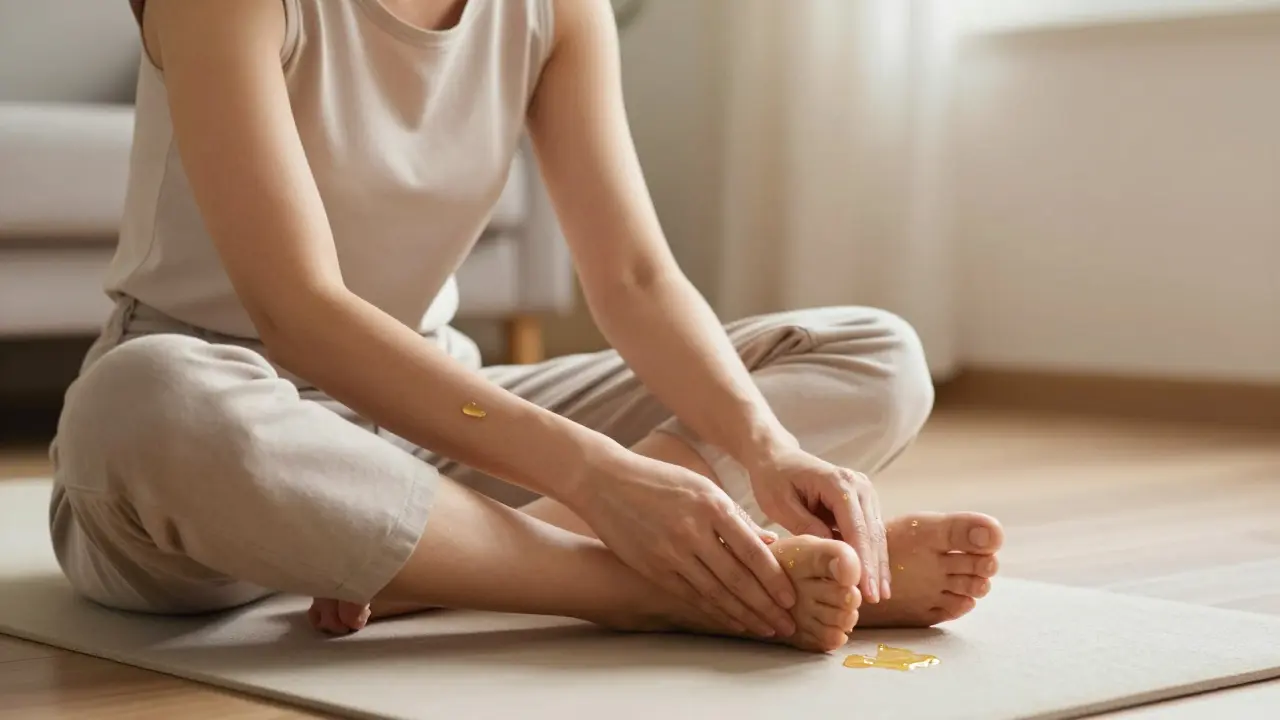
You can also bring Ayurvedic massage home. Start with a weekly self-massage. Use a small amount of warm sesame oil (or coconut if you live in a hot climate) and apply it to your feet, scalp, and ears. These areas have high concentrations of nerve endings and Marma points. Spend five minutes rubbing the oil in circular motions. Leave it on for ten minutes, then wash it off with warm water. Over time, you may notice improvements in your sleep quality and overall sense of calm.
Troubleshooting Common Concerns
"Will I be too oily?" Yes, initially. But that’s the point. The oil needs time to absorb. Don’t rush to shower immediately after the session. Let the oil sit for at least 15 minutes. Then, take a warm shower to wash off the excess. Your skin will feel hydrated, not greasy.
"Is it painful?" No. Ayurvedic massage is generally gentle. If you have deep-seated tension, the therapist may apply slightly more pressure, but it should never be sharp or unbearable. Pain indicates resistance, not healing. Communicate with your therapist to find a comfortable level.
"How often should I do it?" For maintenance, once a week is ideal. For acute issues like severe stress or injury recovery, two to three times a week may be beneficial. Listen to your body. If you feel energized and balanced, stick to a weekly schedule. If you feel drained, space it out.
What is the best oil for Ayurvedic massage?
The best oil depends on your Dosha. Sesame oil is considered universal and is great for Vata types. Coconut oil is cooling and ideal for Pitta types. Mustard or safflower oil is stimulating and suits Kapha types. If you are unsure, start with warm sesame oil, as it is widely tolerated and effective for most people.
Can I do Ayurvedic massage at home?
Yes, absolutely. Self-massage, known as Abhyanga, is a core part of Ayurvedic daily routines. Use warm oil and apply it to your body before showering. Focus on your feet, scalp, and ears for quick benefits. Consistency is key; even 10 minutes a day can make a significant difference.
How long does an Ayurvedic massage session last?
A typical professional session lasts between 60 to 90 minutes. This includes time for Dosha assessment, the massage itself, and a post-treatment rest period where the oil is allowed to absorb. Home sessions can be shorter, ranging from 15 to 30 minutes depending on your availability.
Are there any side effects of Ayurvedic massage?
Most people experience positive effects like relaxation and improved sleep. However, some may feel temporary fatigue or mild headaches as toxins are released from the tissues. Drinking plenty of water after the session helps mitigate these effects. Avoid cold showers immediately after, as it can shock the system.
Is Ayurvedic massage safe for pregnant women?
Generally, yes, but with caution. It is best to avoid deep pressure and certain Marma points during pregnancy. Always consult your obstetrician before starting any new therapy. Many practitioners offer modified prenatal Ayurvedic massages that focus on gentle strokes and safe oils.
 Health and Wellness