
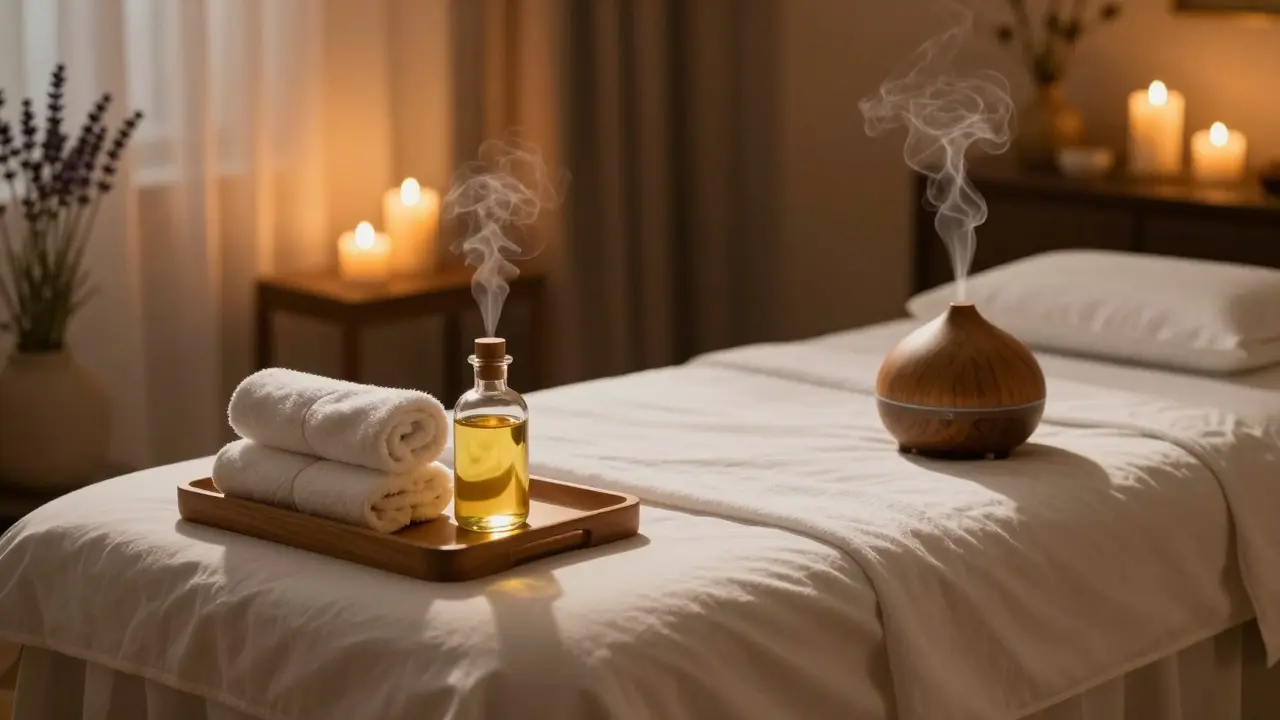
Imagine a warm room, soft lighting, and the scent of lavender filling the air. Your partner is relaxed, eyes closed, breathing slowly. You’re not just giving a massage-you’re creating an experience that blends touch, trust, and intimacy. This is champissage, a French term that translates to "oiling" but means much more in practice.
Unlike a standard back rub or sports massage, champissage is designed to be slow, deliberate, and deeply connecting. It’s not about fixing sore muscles; it’s about building closeness through touch. If you’ve ever wanted to spice up your relationship, reduce stress together, or simply learn how to touch someone with intention, this guide will walk you through everything-from setting the mood to mastering the strokes.
What Is Champissage?
At its core, champissage is a form of sensual massage that uses oil to enhance glide and sensation. The word comes from the French verb *champiquer*, meaning to oil or lubricate. While it’s often associated with erotic contexts, the technique itself is neutral-it’s how you apply it that defines the experience.
You’ll find roots of champissage in ancient traditions like Ayurveda (where abhyanga involves full-body oil massage) and Thai herbal compress therapies. But modern champissage strips away ritual complexity and focuses on what matters: connection, relaxation, and pleasure.
The key difference between champissage and regular massage? Intent. Regular massage targets muscle tension. Champissage targets emotional and physical intimacy. Every stroke is slower, every pause is longer, and every touch is meant to be felt-not just received.
Why Try Champissage?
Let’s get real-why spend time learning a new kind of massage when you could just order takeout and watch Netflix? Because champissage does things other activities can’t:
- Builds deeper intimacy: Touch releases oxytocin, the bonding hormone. Studies show couples who engage in regular non-sexual touch report higher relationship satisfaction.
- Reduces anxiety: Slow, rhythmic stroking lowers cortisol levels. One 2023 study published in the Journal of Bodywork and Movement Therapies found that 20 minutes of gentle massage reduced self-reported stress by 40%.
- Improves skin health: Using natural oils like jojoba or almond nourishes the skin while improving circulation.
- Creates shared experiences: In a world where screens dominate attention, champissage forces presence. You’re both there, fully engaged.
It’s not magic-but it’s close.
Setting the Scene: What You Need
You don’t need a spa license or a $500 massage table. Start simple. Here’s what actually matters:
| Item | Why It Matters | Recommended Option |
|---|---|---|
| Massage Oil | Provides glide, prevents friction, enhances sensation | Jojoba, sweet almond, or coconut oil (avoid mineral oil) |
| Towels | Catch excess oil, keep surfaces clean | Soft cotton towels (at least two) |
| Aromatherapy Diffuser | Sets mood, reduces mental clutter | Lavender, ylang-ylang, or sandalwood essential oils |
| Soft Lighting | Encourages relaxation, reduces visual distraction | Dimmable lamps or candles (LED if fire safety is a concern) |
| Comfortable Surface | Allows receiver to lie flat without strain | Bed with firm mattress or yoga mat on floor |
Pro tip: Warm the oil slightly before use. Rubbing cold oil into skin feels jarring. Hold the bottle in your hands for 30 seconds, or place it in a bowl of warm water for a minute. Small details make big differences.
Step-by-Step: How to Give a Champissage
This isn’t a race. There’s no finish line. Follow these steps, but adapt them to your partner’s responses. Consent and comfort come first-always.
- Prepare the space: Dim lights, light candles, play soft music (instrumental works best). Make sure the room is warm-people relax better when they’re not shivering.
- Invite your partner: Ask clearly. “Would you like to try a champissage tonight?” No pressure. If they say no, respect it. Intimacy requires mutual enthusiasm.
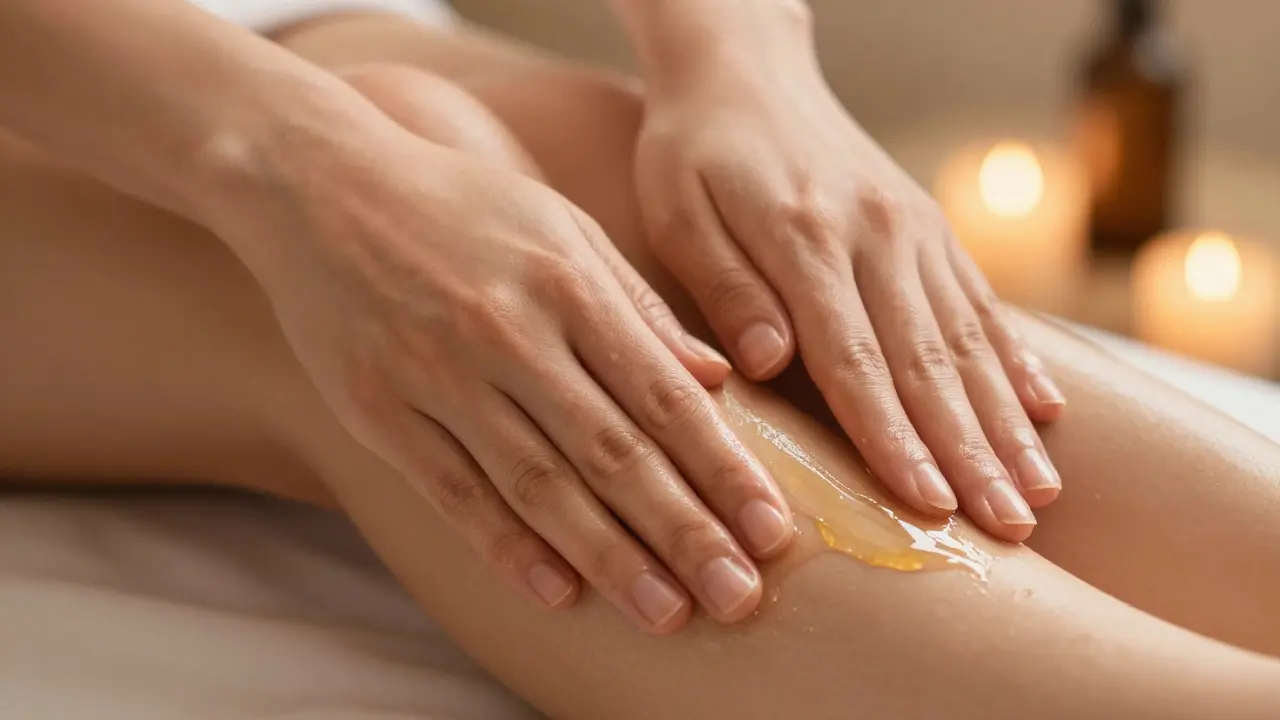
- Start with the feet: Why feet? They’re distant from the brain, so starting here builds anticipation without overwhelming sensitivity. Pour a small amount of oil onto your palms, rub them together to warm it, then gently press into the soles. Use slow, circular motions.
- Move upward slowly: Work up the calves, thighs, lower back. Keep strokes long and even. Avoid rushing. Let each area settle before moving on.
- Use your whole hand: Don’t just use fingertips. Flat palms create broader contact, which feels more grounding. Fingers are for detail work later.
- Incorporate pauses: Stop occasionally. Rest your hand lightly on their skin. Breathe together. These moments build tension-and release.
- Adjust based on feedback: Watch body language. Tensing up? Ease off. Sighing or melting? You’re doing something right. Ask quietly: “Is this okay?” Check in without breaking flow.
- End gently: Finish with light strokes over the shoulders or arms. Cover your partner with a towel or blanket. Let them rest for 5-10 minutes before getting up.
Remember: champissage isn’t about performance. It’s about presence. If you forget a step, laugh it off. Authenticity beats perfection every time.
Common Mistakes to Avoid
Even experienced givers mess up sometimes. Here’s what trips people up:
- Using too much oil: Slippery doesn’t mean better. Too much oil makes control difficult and leaves residue on sheets. Start with a teaspoon per limb.
- Rushing through areas: Speed kills sensation. Spend at least 2-3 minutes per major body part. Slower is stronger.
- Ignoring consent cues: Silence isn’t always agreement. Watch for stiffening, pulling away, or lack of engagement. Adjust immediately.
- Focusing only on erogenous zones: Yes, those areas matter-but neglecting the rest creates imbalance. Full-body attention builds trust.
- Expecting sexual outcomes: Champissage can lead to intimacy, but it shouldn’t be treated as foreplay unless both parties agree. Treat it as its own experience.
Mistakes happen. Own them, adjust, and keep going. Growth happens outside comfort zones.
Choosing the Right Oil
Not all oils are created equal. Some absorb quickly, others linger. Some irritate sensitive skin. Pick wisely:
| Oil Type | Absorption Rate | Skin Compatibility | Scent Profile | Best For |
|---|---|---|---|---|
| Jojoba | Medium | All skin types | Nutty, mild | Daily use, sensitive skin |
| Sweet Almond | Slow | Normal to dry | Faintly sweet | Long sessions, deep hydration |
| Coconut | Fast | Oily/acne-prone | Tropical, noticeable | Summer months, humid climates |
| Grapeseed | Very fast | Acne-prone, oily | Neutral | Quick absorption, minimal mess |
| Mineral Oil | None (sits on surface) | Avoid if possible | None | Not recommended for champissage |
If you have allergies, patch-test any new oil behind the ear or inner wrist 24 hours before full application. Better safe than sorry.
Aftercare: What Happens Next
Champissage doesn’t end when the last stroke finishes. Aftercare matters just as much:
- Wipe off excess oil: Use a damp cloth or towel. Leaving oil on skin can clog pores or stain clothes.
- Hydrate: Both giver and receiver should drink water. Massage dehydrates tissues slightly.
- Talk it out: Share thoughts. “I loved when you paused here.” Or “Next time, maybe less pressure on my shoulder.” Feedback improves future sessions.
- Clean up together: Washing towels or tidying the space becomes part of the ritual. Shared responsibility strengthens bonds.
Don’t rush into anything else afterward. Let the moment breathe. Sometimes silence speaks louder than words.
When Not to Do Champissage
As wonderful as it sounds, champissage isn’t always appropriate. Skip it if:
- Your partner has open wounds, rashes, or recent surgeries.
- Either of you is under significant stress or emotional distress.
- You’re unsure about boundaries or haven’t discussed expectations.
- One person feels obligated rather than excited.
Forced intimacy damages trust. Voluntary connection builds it. Know the difference.
Is champissage the same as tantric massage?
No. Tantric massage draws from Eastern spiritual practices and often includes energy work, breath coordination, and specific rituals aimed at awakening kundalini energy. Champissage is simpler-it’s purely about tactile connection using oil. You can blend elements, but they originate from different traditions.
Can I do champissage alone?
Technically yes, but it defeats the purpose. Champissage thrives on reciprocity and shared presence. Self-massage lacks the dynamic exchange that makes it meaningful. Save solo sessions for traditional self-care routines instead.
How long should a champissage session last?
Aim for 20-45 minutes. Shorter sessions feel rushed; longer ones risk losing focus. Beginners should start with 20 minutes and extend gradually as comfort grows. Quality trumps duration.
Do I need special training to give champissage?
No formal certification required. However, watching tutorials, reading guides, and practicing communication skills helps immensely. Consider taking a couple’s massage workshop if you want structured learning.
What if my partner gets aroused during champissage?
That’s normal. Physical touch triggers physiological responses. Discuss beforehand whether sexual escalation is welcome. If not, redirect focus to neutral areas like arms or legs. Respect agreed boundaries without shame.
Can champissage help with chronic pain?
Indirectly, yes. Reduced stress and improved circulation may ease symptoms. But champissage isn’t medical treatment. For chronic conditions, consult a licensed therapist alongside complementary practices.
Should we alternate who gives the massage?
Absolutely. Alternating ensures equity and allows both partners to experience receiving and giving. Rotate roles each session-or split one session into two halves. Balance strengthens partnership.
Is champissage safe during pregnancy?
Only with caution. Avoid abdominal pressure, deep tissue work, and certain oils (like clary sage). Always consult a healthcare provider first. Modified prenatal massage exists-but champissage requires extra care.
 Health and Wellness