
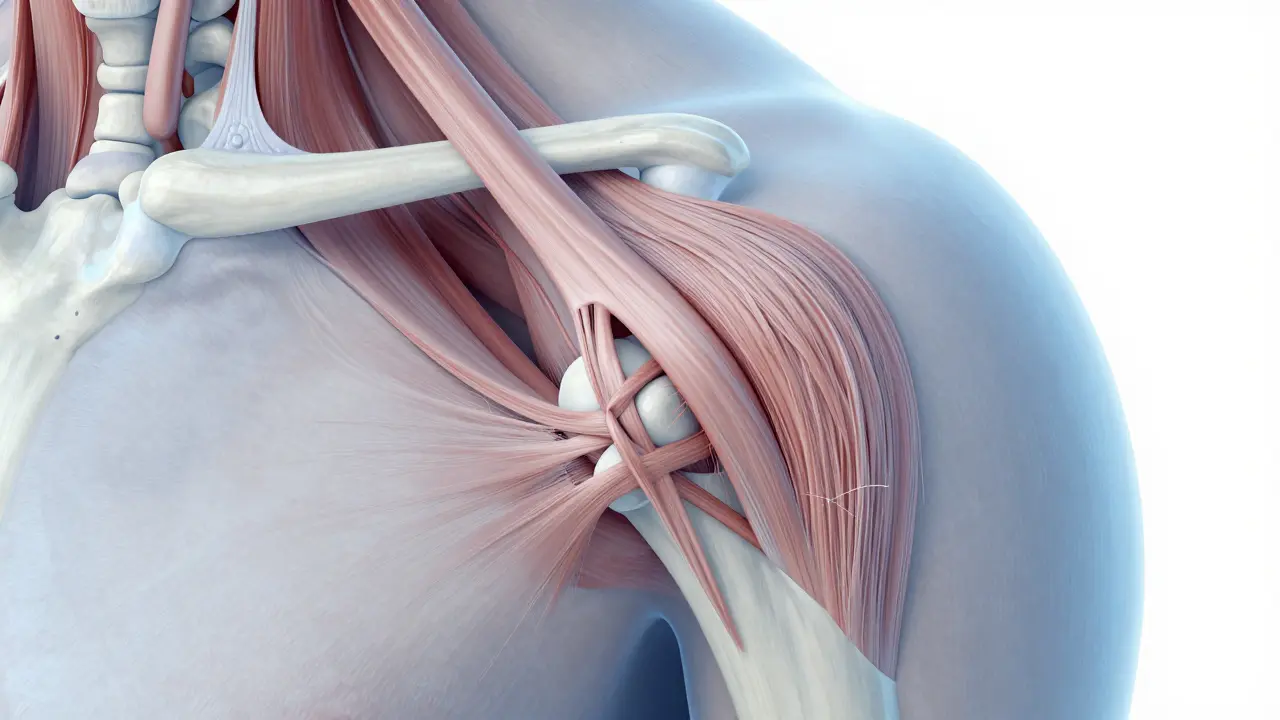
Imagine waking up with a knot in your shoulder that feels like it’s been there for years. You’ve tried ice packs, stretching, and even expensive massages, but the tightness refuses to let go. For millions of people living with chronic muscle pain, this is daily life. Traditional treatments often scratch the surface, offering temporary relief before the tension returns. But what if the problem isn’t just in the muscle fibers themselves, but in the connective tissue binding them? This is where contractual tendon release enters the conversation as a potential game-changer in pain management.
This emerging approach shifts the focus from generic relaxation to targeted structural correction. It’s not about feeling good for an hour; it’s about restoring function so you can move without guarding every step. As we move through 2026, clinicians are increasingly looking beyond standard soft-tissue manipulation to address the root mechanical causes of persistent discomfort.
What Is Contractual Tendon Release?
To understand why this method is gaining traction, we first need to clarify the terminology. In medical contexts, "contracture" refers to the permanent shortening of a muscle or joint due to scarring, fibrosis, or prolonged immobilization. A contracted tendon is a fibrous connective tissue that has lost its elasticity and become rigid, often pulling joints out of alignment. Unlike a simple muscle cramp, which is temporary and reversible with heat or hydration, a contractural change involves structural remodeling of the collagen fibers within the tendon and fascia.
Contractual tendon release (CTR) is a specialized manual therapy technique designed to break down these adhesions. It combines elements of deep tissue massage, myofascial release, and instrument-assisted soft tissue mobilization (IASTM). The goal is not merely to relax the muscle belly but to physically separate the stuck layers of connective tissue, allowing the tendon to glide freely again. Think of it like untangling a knotted rope rather than just smoothing out the surface.
This technique differs significantly from traditional sports massage. While a sports massage might focus on increasing blood flow and reducing general soreness after a workout, CTR targets specific pathological changes in the tissue structure. It requires a deeper anatomical understanding because therapists must identify exactly where the tendon adheres to surrounding structures-often near bony prominences or nerve pathways.
The Science Behind the Relief
Why does releasing a contracted tendon matter for overall pain levels? The answer lies in how our bodies sense movement and position, a system known as proprioception. When tendons are tight or scarred, they send distorted signals to the brain. Your nervous system interprets this constant tension as a threat, leading to a state of hyper-vigilance. This results in secondary muscle spasms as nearby muscles try to stabilize the area, creating a vicious cycle of pain and stiffness.
Research published in journals focusing on musculoskeletal rehabilitation suggests that breaking these adhesions restores normal mechanotransduction-the process by which cells convert mechanical stimuli into biochemical signals. When the tendon glides smoothly again, the inflammatory markers in the local tissue decrease. Studies indicate that patients undergoing targeted tendon release report significant reductions in pain scores within four to six weeks, compared to those receiving only passive modalities like ultrasound or heat therapy.
Furthermore, CTR addresses the concept of "fascial continuity." Fascia is a web-like sheath that surrounds every muscle, bone, and organ. If one part of this web gets stuck, the tension travels along the entire chain. For example, a contracted Achilles tendon doesn’t just affect your heel; it can pull on your calf, tighten your hamstrings, and contribute to lower back pain. By releasing the primary anchor point, you alleviate strain across multiple regions of the body.
Who Benefits Most From This Approach?
Not everyone needs contractual tendon release. If you have acute inflammation, such as a fresh sprain or tear, aggressive manipulation could worsen the injury. However, certain groups find this technique particularly effective:
- Chronic Pain Sufferers: Individuals dealing with long-term conditions like plantar fasciitis, tennis elbow, or rotator cuff tendinopathy often develop dense scar tissue that resists conventional stretching.
- Athletes with Recurring Injuries: Runners, cyclists, and weightlifters frequently experience overuse injuries that lead to adaptive shortening of tendons. CTR helps reset the length-tension relationship of the muscle-tendon unit.
- Post-Surgical Patients: After orthopedic surgeries, scar tissue formation is inevitable. Controlled release techniques can prevent excessive fibrosis and improve range of motion during rehabilitation.
- Office Workers with Postural Issues: Prolonged sitting can cause the hip flexors and chest muscles to shorten chronically. While primarily muscular, these contractions eventually involve the tendons, requiring more intensive intervention.
If you’ve tried physical therapy exercises and they haven’t yielded lasting results, the issue might be mechanical restriction rather than weakness. A qualified therapist can assess whether your limitations are due to true contractures or simply poor motor control.

How the Treatment Works: Step-by-Step
A typical session of contractual tendon release follows a structured protocol to ensure safety and effectiveness. Here’s what you can expect:
- Assessment: The therapist evaluates your posture, gait, and range of motion. They palpate the affected areas to locate hard, nodular spots in the tissue, which indicate adhesions.
- Preparation: Warm-up techniques, such as gentle stretching or dry brushing, increase tissue temperature and pliability. This makes the subsequent work less painful and more efficient.
- Targeted Release: Using their hands, elbows, or specialized tools like Graston instruments or Gua Sha stones, the therapist applies precise pressure along the tendon’s path. The pressure is directed perpendicular to the grain of the tissue to lift and separate the fibers.
- Integration: After the release, the therapist guides you through active movements. This step is crucial because it retrains the nervous system to use the newly gained mobility. Without integration, the tissue may quickly re-adhere.
- Aftercare Advice: You’ll receive specific home exercises to maintain the progress. Hydration is emphasized because water is essential for maintaining the viscoelastic properties of fascia.
The sensation during treatment can be intense. Many patients describe it as "good pain"-uncomfortable but relieving. Bruising or mild soreness afterward is common, similar to what you might feel after a tough workout. This is a sign that the tissue is responding and beginning to remodel.
Comparing Techniques: CTR vs. Traditional Methods
| Feature | Contractual Tendon Release | Deep Tissue Massage | Physical Therapy Exercises |
|---|---|---|---|
| Primary Target | Tendon adhesions & fascial restrictions | Muscle knots & general tension | Muscle strength & neuromuscular control |
| Intensity Level | High (focused pressure) | Moderate to High | Variable (depends on exercise) |
| Best For | Chronic stiffness, post-surgical rehab | Stress relief, minor soreness | Functional recovery, prevention |
| Duration of Effect | Long-term (with maintenance) | Short-term (hours to days) | Long-term (if practiced consistently) |
| Pain During Session | Significant but tolerable | Mild to moderate | Minimal (unless pushing limits) |
While deep tissue massage is excellent for general relaxation, it often lacks the precision needed to break down dense scar tissue. Physical therapy exercises are vital for strengthening, but if the tendon is mechanically stuck, no amount of strengthening will restore full range of motion. CTR bridges this gap by addressing the structural barrier first, making subsequent exercises more effective.
Potential Risks and Contraindications
Like any invasive therapy, contractual tendon release carries risks if performed incorrectly. It is not suitable for everyone. You should avoid this treatment if you have:
- Acute Inflammation: Redness, heat, or swelling indicates an active injury that needs rest, not manipulation.
- Blood Clots: Deep pressure can dislodge thrombi, leading to serious complications like pulmonary embolism.
- Osteoporosis: Fragile bones are at risk of fracture under high-pressure techniques.
- Nerve Compression: Conditions like carpal tunnel syndrome require careful handling to avoid exacerbating nerve irritation.
Always consult with a healthcare provider before starting new treatments. Look for practitioners who are certified in IASTM or advanced myofascial release techniques. Ask them to explain their assessment process and how they determine the appropriate pressure level for your condition.
Integrating CTR Into Your Long-Term Health Plan
Contractual tendon release is not a one-time fix. It’s a tool in a broader toolkit for managing chronic pain. To maximize benefits, combine it with regular movement practices like yoga or Pilates, which promote flexibility and body awareness. Strengthening the opposing muscle groups also helps maintain the gains achieved through release work. For instance, if you release tight hip flexors, strengthening your glutes ensures your hips stay in proper alignment.
Diet plays a role too. Chronic inflammation can hinder tissue healing. Incorporating anti-inflammatory foods like omega-3 fatty acids, turmeric, and leafy greens supports the body’s natural repair processes. Staying hydrated is equally important, as dehydrated fascia becomes sticky and prone to adhesion.
As we embrace this new era in pain management, the focus shifts from passive treatment to active participation. Understanding your body’s mechanics empowers you to make informed decisions about your care. Whether you’re an athlete aiming for peak performance or someone seeking relief from daily discomfort, contractual tendon release offers a promising path toward freedom from pain.
How many sessions of contractual tendon release do I need?
The number of sessions varies depending on the severity and duration of your condition. Acute issues may resolve in 2-3 sessions, while chronic problems lasting years might require 6-10 sessions spaced one to two weeks apart. Maintenance sessions every few months can help prevent recurrence.
Does insurance cover contractual tendon release?
Coverage depends on your plan and the provider’s billing codes. Some insurers classify it under physical therapy or manual therapy, while others may consider it experimental. Always check with your provider and get pre-authorization if possible. Documentation of medical necessity from a doctor can improve chances of approval.
Can I perform contractual tendon release on myself?
Self-massage tools like foam rollers or lacrosse balls can provide some benefit for superficial muscle tension. However, true contractual tendon release requires precise anatomical knowledge and controlled force that is difficult to achieve safely on oneself. Professional guidance is recommended for deep adhesions.
Is contractual tendon release painful?
It can be uncomfortable, especially when working on dense scar tissue. Therapists aim to keep pain levels manageable, typically below a 7 out of 10 on a pain scale. Communication with your therapist is key-they should adjust pressure based on your feedback. Post-treatment soreness is normal but should subside within 48 hours.
How is contractual tendon release different from trigger point therapy?
Trigger point therapy focuses on hyperirritable spots within the muscle belly itself. Contractual tendon release targets the connective tissue attachments where muscles meet bones. While both address pain, CTR deals with structural restrictions that limit movement, whereas trigger point therapy alleviates localized muscle spasms.
 Health and Wellness