
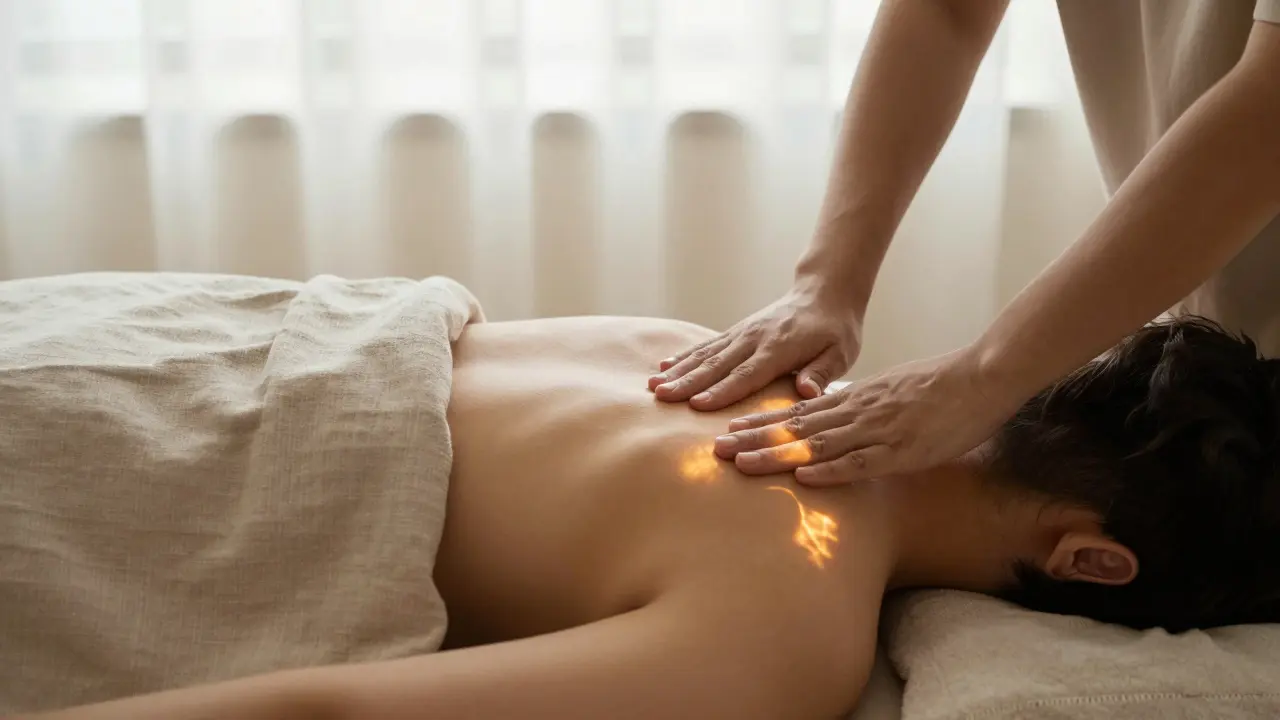
When you feel swollen, tired, or just plain sluggish, it’s not always about lack of sleep or too much sugar. Sometimes, your body is telling you something deeper: your lymphatic system is backed up. And one of the simplest, most natural ways to wake it up? Lymphatic drainage massage.
What Exactly Is Lymphatic Drainage Massage?
Lymphatic drainage massage isn’t your typical deep-tissue rubdown. It’s a gentle, rhythmic technique that uses light pressure-about the weight of a nickel-to move fluid through your lymphatic system. Unlike your blood, which has a pump (your heart), your lymphatic system relies on movement, muscle contractions, and external pressure to circulate. That’s where this massage comes in.
The lymphatic system is a network of vessels and nodes spread throughout your body. It collects waste, toxins, excess fluid, and even dead cells from your tissues and sends them to your lymph nodes for filtering. When it’s sluggish, fluid builds up. That’s when you notice puffiness in your face, heavy legs, or that constant feeling of being “stuck.”
This massage doesn’t just feel nice-it’s functional. Studies from the Journal of Bodywork and Movement Therapies show that just one session can increase lymph flow by up to 20%. That means faster removal of metabolic waste, less inflammation, and better immune response.
How It Helps Your Body Function Better
Think of your lymphatic system as your body’s sewage system. If it clogs, everything gets messy. Lymphatic drainage massage keeps it flowing. Here’s how it helps:
- Reduces swelling - After surgery, injury, or even long flights, fluid pools in tissues. This massage helps drain it away. People recovering from liposuction or mastectomy often use it to cut recovery time in half.
- Boosts immunity - Your lymph nodes are full of white blood cells. When fluid moves through them, it triggers immune activity. Regular sessions can help you fight off colds faster.
- Improves skin tone - Toxins trapped under the skin cause dullness and puffiness. Clearing them out gives your face a natural glow. Many estheticians combine this with facials for a “reset” effect.
- Reduces chronic inflammation - Conditions like fibromyalgia, rheumatoid arthritis, and even long COVID can benefit. Less fluid buildup means less pressure on nerves and tissues.
- Helps with digestion - The gut has its own lymphatic network. When it’s backed up, bloating and constipation follow. Gentle abdominal strokes can ease this.
One woman in Darwin, after months of post-COVID fatigue and facial puffiness, started weekly sessions. Within three weeks, she reported fewer headaches, better sleep, and her rings finally fit again. She didn’t change her diet. She didn’t start a new workout. Just this one gentle practice.
Who Can Benefit?
You don’t need to be sick to benefit. But some people notice dramatic changes:
- People with chronic swelling (lymphedema)
- Post-surgical patients (especially breast, head, or neck procedures)
- Those with frequent sinus infections or allergies
- People who sit all day (drivers, office workers)
- Anyone who feels constantly tired or “toxic”
- Those recovering from intense workouts or travel
Even healthy people can use it as preventive care. Think of it like brushing your teeth-but for your internal cleanup system.
What to Expect During a Session
Most sessions last 45 to 60 minutes. You lie on a table, fully clothed or draped, in a quiet, warm room. The therapist uses very light, circular motions, starting at your neck and working down. No oils. No deep pressure. It feels more like a soft wave than a massage.
It’s not supposed to hurt. If it does, the pressure is too much. True lymphatic drainage is barely noticeable-you might feel a slight tingling or warmth, but not tenderness. Many people fall asleep.
Afterward, you might feel light-headed or need to use the bathroom. That’s normal. Your body is flushing out what it’s been holding. Drink water. Rest. Avoid caffeine or alcohol for a few hours.

What It Doesn’t Do
Let’s clear up some myths.
It doesn’t “detox” you in the way supplement ads claim. You can’t sweat out heavy metals or burn fat with this. Your liver and kidneys handle detox. Lymphatic drainage just helps move what’s already there.
It’s not a weight-loss tool. While it reduces water retention, it won’t shrink your waistline. If someone promises that, they’re selling you a dream.
And it’s not a cure-all. If you have cancer, active infections, blood clots, or heart failure, you should avoid it unless cleared by a doctor.
How Often Should You Do It?
For general wellness? Once a month. For swelling or recovery? Two to three times a week for a few weeks, then taper off. Some people with lymphedema do daily self-massage at home.
You don’t need to go to a spa every time. Certified therapists teach you simple routines you can do yourself. A 5-minute morning routine-gentle strokes from your collarbone down your neck and arms-can make a real difference.
Try It Yourself: A Simple Routine
Here’s a quick method you can do in the shower or before bed:
- Start at your collarbone. Place your fingertips gently on each side and make slow, circular motions toward your chest.
- Move to your neck. Use two fingers to glide from behind your ears down toward your collarbone.
- For arms: Gently stroke from your wrist up to your armpit, one hand at a time.
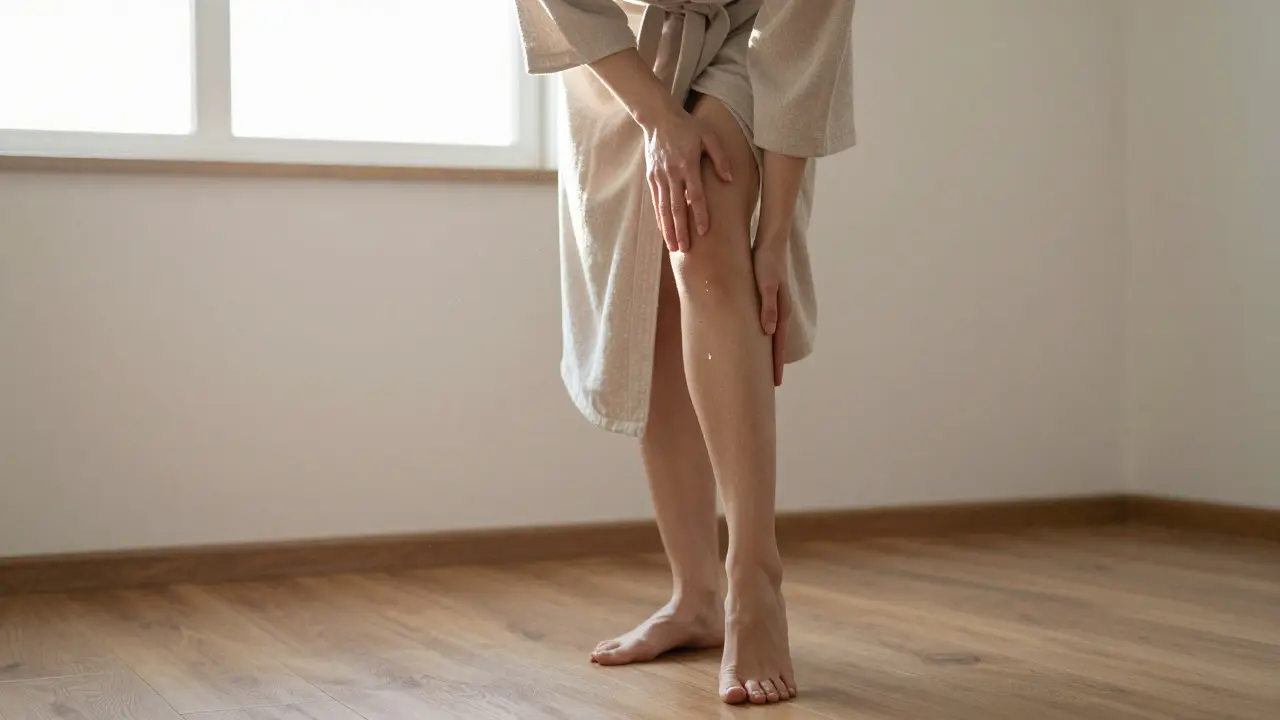
- For legs: Stroke from your ankles up to your groin, using a feather-light touch.
- For your face: Use your knuckles to glide from your nose outward toward your ears, then down your jawline.
Do each stroke 5-10 times. Always move toward your heart. Do it for 5 minutes. Do it daily. That’s all it takes.
When to Skip It
Some situations make this massage unsafe:
- Active infection or fever
- Deep vein thrombosis (blood clot)
- Uncontrolled high blood pressure
- Recent radiation therapy
- Active cancer (unless approved by your oncologist)
- Severe heart or kidney disease
If you’re unsure, ask your doctor. It’s not risky for most people-but it’s not for everyone.
Why This Works in Real Life
In Darwin, where it’s hot and humid most of the year, swelling is common. People who work outdoors, hike, or sit in cars for long periods often notice puffy ankles or heavy limbs. Many local physiotherapists now offer lymphatic drainage as part of recovery plans. One clinic reported a 70% drop in post-hike swelling among clients who did weekly sessions.
It’s not magic. It’s biology. Your body has a built-in cleaning system. You just need to help it out.
Can lymphatic drainage massage help with acne?
Yes, indirectly. Acne isn’t caused by toxins, but when lymph fluid builds up under the skin, it can trap bacteria and increase inflammation. Lymphatic drainage helps reduce facial puffiness and improves circulation, which can lead to clearer skin over time. It’s not a replacement for skincare, but it can support it.
Is lymphatic drainage massage the same as a regular massage?
No. Regular massage targets muscles and uses deeper pressure to release tension. Lymphatic drainage targets fluid movement and uses barely-there pressure-so light, you might not even feel it. The techniques, goals, and hand movements are completely different.
How long until I see results?
Some people feel lighter after one session. Swelling often reduces within 24 hours. For lasting changes-like fewer colds or improved skin tone-you’ll need consistent sessions over 2-4 weeks. Think of it like exercise: one workout helps, but regular practice transforms.
Can I do this after a workout?
Absolutely. After intense exercise, your muscles produce waste products like lactic acid. The lymphatic system clears these out. A gentle session after a run or weight session can speed up recovery and reduce soreness. Many athletes use it as part of their cooldown routine.
Do I need special training to give myself a lymphatic massage?
No, but learning proper technique helps. You don’t need to be certified. Online videos from licensed therapists show the basics. The key is using minimal pressure and moving in the right direction-toward your heart. If you’re unsure, try a single session with a professional to learn the rhythm.
Next Steps
If you’ve been feeling off-puffy, tired, sluggish-try lymphatic drainage massage. Start with a professional session to see how your body responds. Then, add a 5-minute daily routine. You’re not fixing anything broken. You’re just helping your body do what it was designed to do: clean itself.
 Health and Wellness