
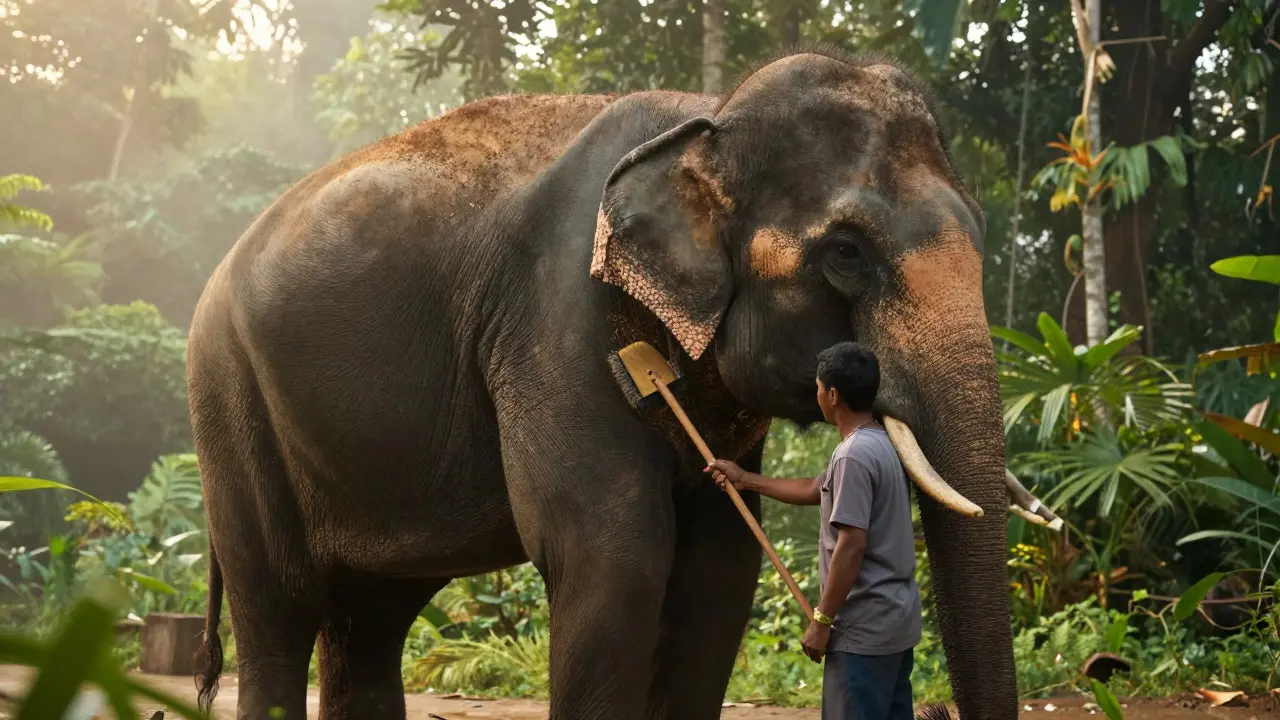
Imagine a creature weighing six tons. Now imagine that creature receiving a gentle, rhythmic rub on its thick, wrinkled skin. It sounds like a scene from a nature documentary, but it is actually one of the most effective forms of animal therapy used to maintain the physical and mental health of large mammals in captivity.. For decades, we viewed elephants as tough, unfeeling giants. We were wrong. Their skin is sensitive, their joints suffer under immense weight, and their minds are complex enough to experience stress and trauma. The practice of massaging these giants is not just about pampering; it is a critical component of modern zoo management and conservation efforts.
The History Behind the Hands
To understand why an elephant needs a massage, you have to look at where they come from. In Southeast Asia, particularly in Thailand and Myanmar, humans and elephants have shared a bond for over two thousand years. This relationship was built on work-logging, farming, and later, tourism. The handlers, known as mahouts, developed specific techniques to keep their working partners healthy. They knew that a sore muscle could mean a day off work, which meant lost income. So, they created methods to relieve tension, improve circulation, and strengthen the bond between human and animal.
This traditional knowledge is deeply rooted in Asian elephant culture which views the elephant as a family member rather than livestock.. The techniques used today often mirror those found in human Thai massage. Think about it: both involve long strokes, compression, and stretching. When you see a trainer rubbing an elephant’s leg or using a brush on its back, you are seeing a direct lineage from ancient forest practices to modern veterinary care. It is a rare example of indigenous knowledge being validated by modern science.
Anatomy Matters: Why Elephants Need Touch
You might think that with skin up to three inches thick, an elephant wouldn't feel much. That is a common misconception. Elephant skin is indeed tough, but it is also incredibly sensitive. It has nerve endings that detect insects, wind changes, and even the lightest touch. However, that thickness comes with problems. Blood circulation in such massive limbs can be sluggish. Joints like the knees and elbows bear thousands of pounds of pressure every step. Without intervention, this leads to arthritis, bursitis (fluid-filled sacs forming around joints), and calluses that crack and bleed.
This is where the mechanical aspect of elephant massage a therapeutic technique involving manual manipulation of tissue to improve joint mobility and reduce pain in Asian elephants. becomes vital. By applying pressure to specific points, therapists increase blood flow to areas that naturally receive less oxygen. This helps heal micro-tears in muscles and reduces inflammation in joints. It is similar to how deep tissue massage works for a human athlete, but scaled up significantly. The goal is not relaxation alone; it is functional maintenance. A mobile, pain-free elephant is an elephant that can walk, forage, and socialize naturally.
The Bonding Factor: Psychology Over Physiology
If the physical benefits weren't enough, consider the psychological impact. Elephants are highly social creatures. In the wild, they spend hours grooming each other, touching trunks, and walking shoulder-to-shoulder. This tactile contact releases oxytocin, the bonding hormone, in both the giver and the receiver. In captivity, where social groups may be smaller or separated, this natural grooming is often missing. Enter the human handler.
When a keeper performs a massage, they are filling a crucial social void. It builds trust. An elephant that trusts its handler is easier to examine, treat, and move safely. This reduces the need for sedation during routine medical checks, which carries risks for such large animals. The massage session becomes a predictable, positive interaction in the animal's day. It gives the elephant something to look forward to, reducing stereotypic behaviors like swaying or pacing, which are signs of boredom and stress. You are not just rubbing skin; you are communicating safety and affection.
Tools of the Trade: More Than Just Hands
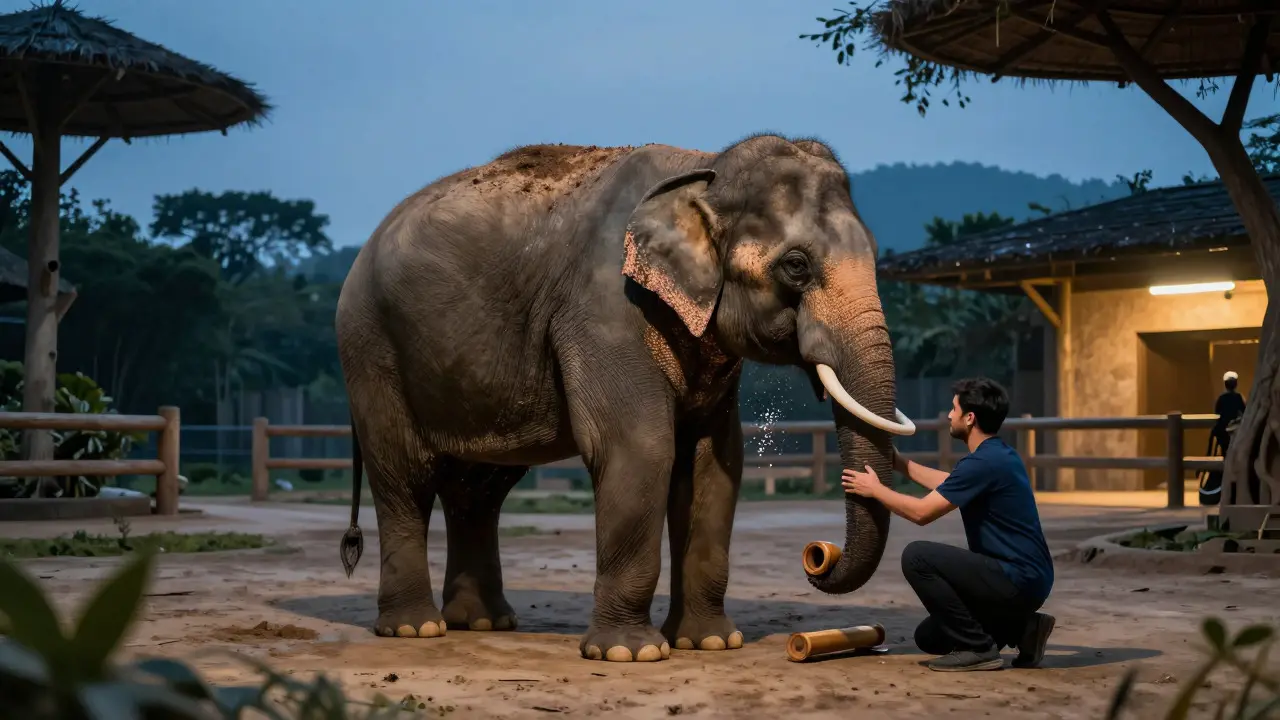
So, how do you massage a beast that stands eight feet tall at the shoulder? You don't use your hands alone. Human arms would tire out in minutes. Instead, professionals use a combination of tools designed for leverage and reach. Long-handled brushes with stiff bristles are used to scrub the back and sides, stimulating the skin and removing dirt. Wooden rollers are rolled over the legs and trunk to mimic the pressure of another elephant's foot. Some facilities use heated stones or warm towels, though caution is needed to avoid burns on sensitive areas.
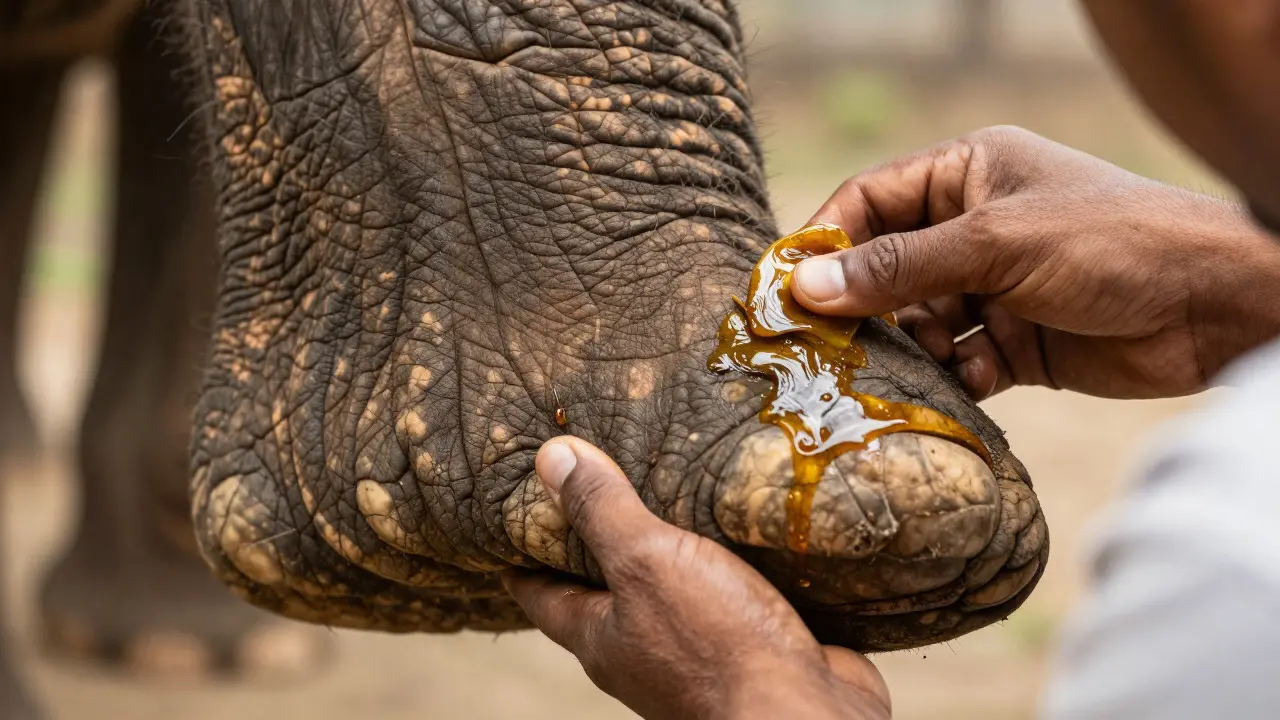
The technique varies by body part. The trunk, for example, is packed with muscles and nerves. It requires gentle kneading along its length to prevent stiffness. The ears are thin and vascular, so light stroking helps regulate temperature and soothe irritation. The feet are perhaps the most critical area. Keepers spend time picking out rocks and debris from the toe pads before applying oil or lotion to keep the skin supple. Cracked foot pads are a leading cause of lameness in captive elephants, so daily attention here prevents major surgeries later.
| Feature | Traditional Mahout Method | Modern Veterinary-Assisted Therapy |
|---|---|---|
| Primary Goal | Work readiness and obedience | Physical health and psychological well-being |
| Technique Source | Generational oral tradition | Evidence-based animal behavior studies |
| Tools Used | Wooden sticks, rough cloths, hands | Ergonomic brushes, medical-grade oils, rollers |
| Frequency | Daily, tied to work schedule | Scheduled sessions integrated into enrichment programs |
| Outcome Measure | Compliance and labor output | Joint mobility scores, stress hormone levels |
Safety First: Reading the Giant
Working close to a multi-ton animal always carries risk. Even the gentlest elephant can accidentally injure a human with a swing of its tail or a shift in weight. Safety protocols are non-negotiable. Handlers must be trained to read subtle body language. Ears pinned back, a tense trunk, or a low rumble can signal annoyance or fear. If the elephant shows signs of discomfort, the session stops immediately. It is never forced.
Positioning is key. Handlers usually stand to the side, never directly behind the elephant, to avoid being kicked. They maintain eye contact without staring aggressively, which can be seen as a challenge. The environment matters too. The massage should happen in a quiet, familiar space, free from loud noises or sudden movements. This allows the elephant to relax fully. Trust is earned over months, sometimes years, of consistent, gentle interaction. One bad experience can undo all that progress.
From Zoo to Home: What We Can Learn
Does this mean you should try to massage an elephant? Probably not, unless you work at a sanctuary. But the principles behind cross-species therapeutic touch the application of tactile therapy across different species to improve health outcomes. are fascinating. Researchers are studying how the stress-reduction effects of massage in elephants compare to humans. The findings suggest that the physiological response-lowered heart rate, reduced cortisol-is universal among mammals. This reinforces the idea that touch is a fundamental biological need, not just a luxury.
For us, it highlights the importance of regular physical therapy and mindful touch in our own lives. We sit at desks all day, developing stiff necks and tight hips. We ignore the warning signs until pain sets in. Elephants teach us that prevention is better than cure. Regular maintenance of our bodies through movement, stretching, and yes, massage, keeps us functioning at our best. It is a reminder that caring for our physical form is an act of respect for the life we live.
The Future of Animal Wellness
As awareness of animal rights grows, so does the demand for higher standards of care in zoos and sanctuaries. ethical elephant tourism travel experiences that prioritize animal welfare over entertainment, often featuring educational components and hands-on care activities. is shifting away from riding and performances toward observation and participation in care routines. Visitors now pay to watch feedings, clean enclosures, and yes, help with massages. This generates revenue for conservation while educating the public about the complexity of these animals.
Veterinarians and behaviorists are collaborating more closely to develop standardized protocols for elephant care. This includes documenting the specific benefits of massage on arthritis progression and mental health. Data-driven approaches ensure that what works is replicated and what doesn't is discarded. It is a move toward evidence-based husbandry, treating elephant care with the same scientific rigor as human medicine. The result is healthier, happier elephants that serve as ambassadors for their species in the wild.
Is elephant massage safe for the animal?
Yes, when performed by trained professionals who understand elephant anatomy and behavior. The process is gentle and voluntary. If the elephant shows signs of stress, the session is paused. It is designed to relieve pain and build trust, not to force compliance.
Can anyone learn to massage an elephant?
Not really. While the basic strokes are simple, the context is complex. You need to know how to read subtle cues of discomfort, position yourself safely, and apply the right amount of pressure to thick skin without causing harm. Most people learn this through specialized training programs at accredited sanctuaries.
Why do elephants get arthritis so easily?
It is primarily due to their sheer size. An adult Asian elephant can weigh up to five tons. This constant pressure on joints like the knees and hips wears down cartilage over time. Captive elephants may also have less varied terrain to walk on, leading to uneven wear. Massage helps mitigate this by improving circulation and reducing inflammation.
How is elephant massage different from human massage?
The scale and tools are different. Human massage focuses on smaller muscle groups and uses hands or forearms. Elephant massage requires long-handled tools, wooden rollers, and significant body leverage to penetrate the thick hide. The goals are also slightly different: while both aim for relaxation, elephant massage prioritizes joint mobility and skin health to support locomotion.
Does massage help with elephant behavior issues?
Absolutely. Many behavioral issues in captivity, such as pacing or aggression, stem from stress or chronic pain. By addressing physical discomfort through massage, you often see a reduction in these negative behaviors. Additionally, the social bonding aspect provides mental stimulation and comfort, lowering overall anxiety levels.
 Health and Wellness