
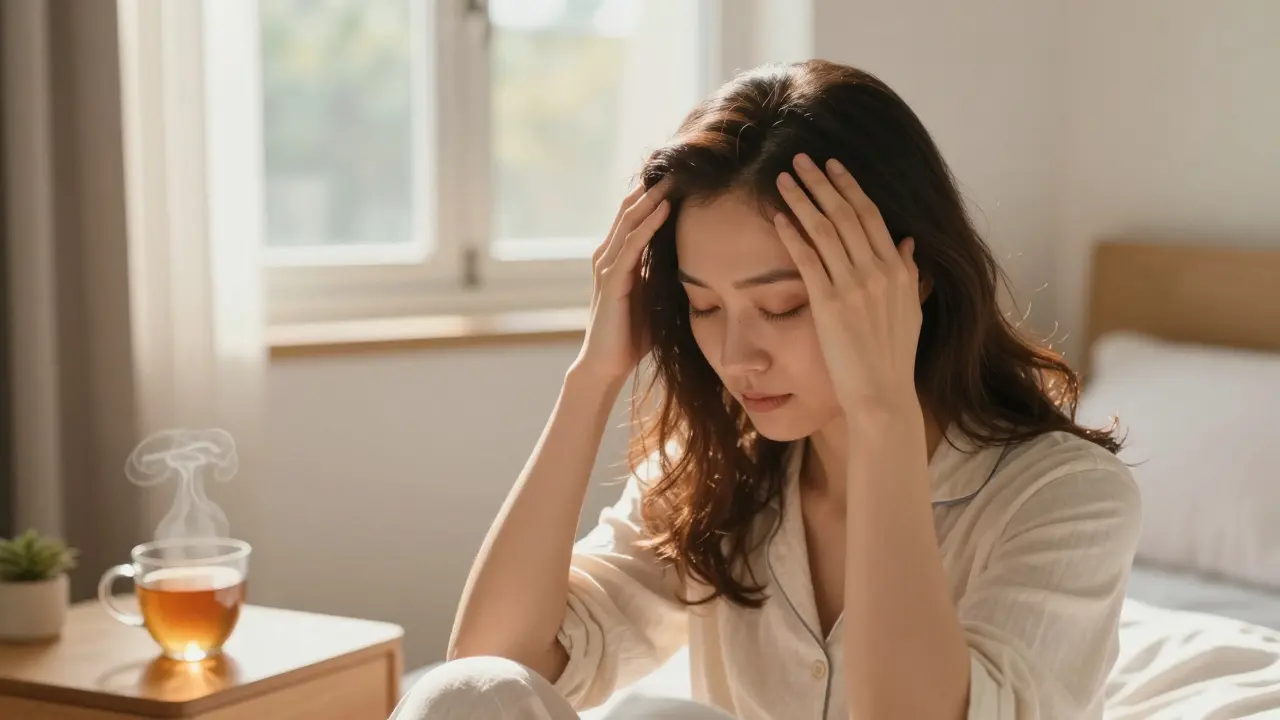
Imagine a 10-minute ritual that could melt away stress, ease tension headaches, and even boost hair health. That's the power of a simple scalp massage. Unlike complex treatments, this technique requires no special equipment-just your hands and a few minutes a day.
A 2023 study in the Journal of Bodywork and Movement Therapies found that daily scalp massage reduced cortisol levels by 28% in participants with chronic stress. Cortisol is the body’s main stress hormone, and high levels are linked to headaches, sleep issues, and even hair loss. Another study published in the International Journal of Dermatology in 2024 showed that consistent scalp massage increased hair density by 20% in people with mild thinning. This isn't just about relaxation-it's a practical way to support your overall health.
Step-by-Step Basic Technique
Here's how to do a simple head and scalp massage that anyone can master:
- Wash your hands thoroughly and apply a small amount of oil (like coconut or jojoba) to your scalp. This reduces friction and helps your fingers glide smoothly.
- Start at your forehead. Use the pads of your fingertips to make small, gentle circles moving from the center outwards.
- Move to your temples. Apply light pressure in circular motions for about 30 seconds.
- Work towards the back of your head. Use the same circular motion, focusing on the areas where you feel tension.
- Focus on the crown of your head. Press with the pads of your fingers and rotate slowly for a minute.
- Finish with light, sweeping strokes from your forehead to the back of your head. This helps soothe and relax.
Remember: Your touch should feel like you're massaging a baby's head-gentle and soothing. If you feel pain, you're pressing too hard.
Targeted Techniques for Specific Needs
Different techniques work best for different goals. Here's how to tailor your massage:
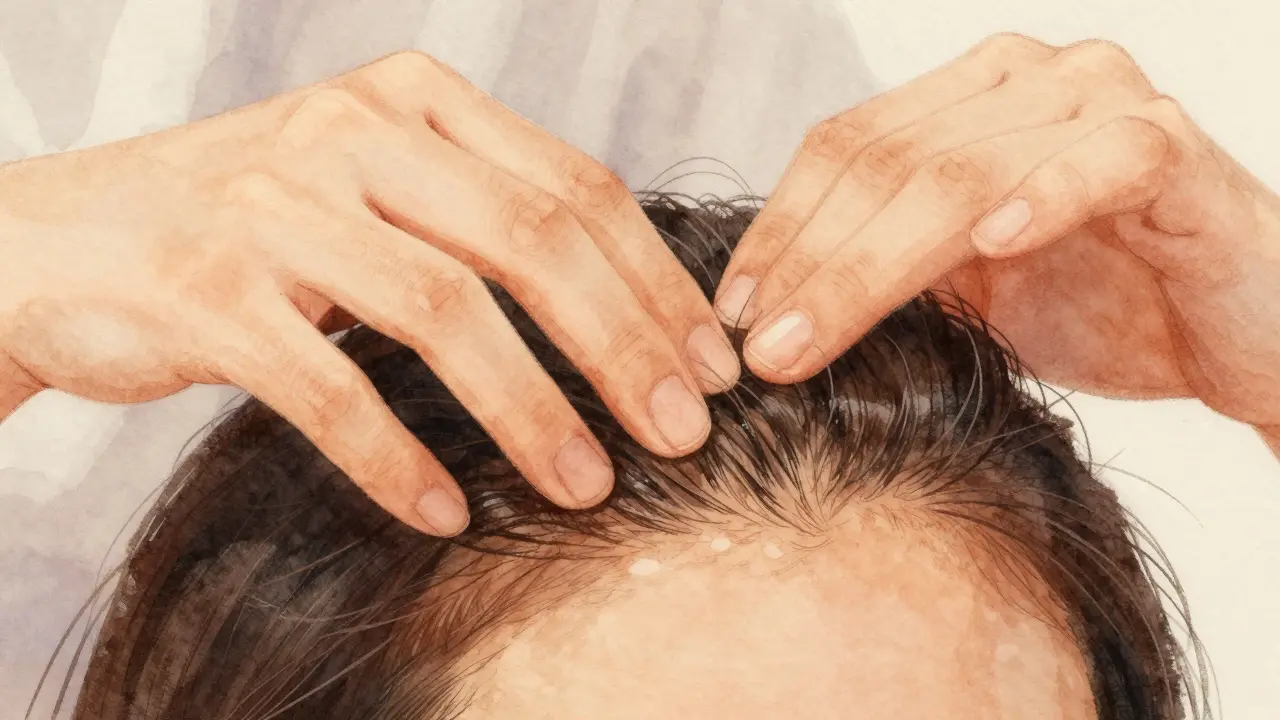
- For hair growth: Focus on the crown area. Use firm circular motions with your fingertips for 5 minutes daily. A 2024 study in the International Journal of Dermatology found this increased blood flow to follicles by 35%, leading to thicker hair over time.
- For tension headaches: Press your thumbs into the temples and the base of your skull. Hold for 15 seconds each spot, then release. Repeat 3 times. This releases the tight muscles that often cause headaches.
- For deep relaxation: Use feather-light touches across your entire scalp. Pair this with slow, deep breaths for 10 minutes. This method is perfect before bed to calm your nervous system.
Tools and Products That Enhance Your Massage
While your hands are the best tool, some products can help:
- Essential oils: Mix 2 drops of lavender oil with 1 tablespoon of jojoba oil for relaxation. Peppermint oil mixed with a carrier oil can cool the scalp and improve circulation. Rosemary oil is known for promoting hair growth.
- Scalp massagers: Silicone-tipped massagers with soft bristles can reach hard-to-access spots. Look for ones with adjustable pressure settings to avoid overdoing it.
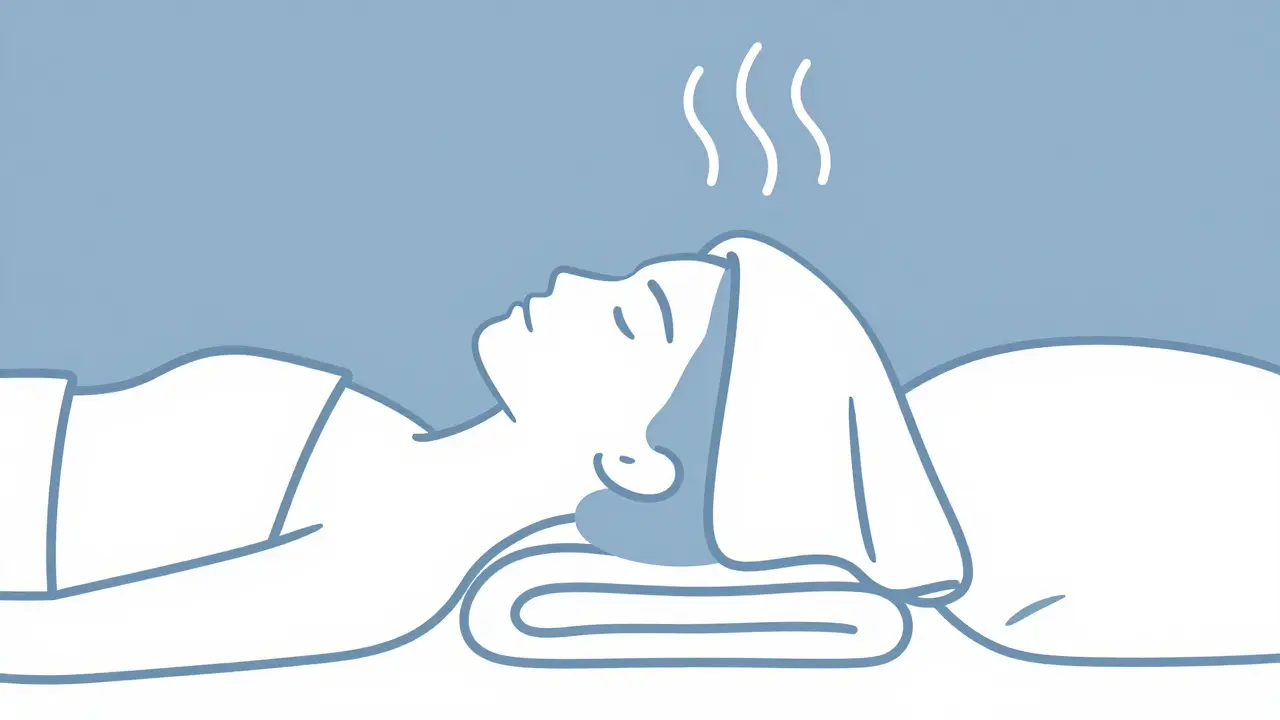
- Warm towels: Before massaging, wrap a warm towel around your head for 2 minutes. This opens up blood vessels and makes the massage more effective.
Avoiding Common Mistakes
Even simple techniques can go wrong if you're not careful:
- Pressing too hard: Your scalp is sensitive. Too much pressure can cause soreness or even damage hair follicles. Always use a gentle touch-like brushing your hand across your skin.
- Skipping the neck: Tension often builds at the base of the skull. Don't forget to gently massage this area for full relief.
- Inconsistent practice: Doing a 30-minute massage once a week won't help as much as 5 minutes daily. Consistency is key for lasting benefits.
- Using the wrong oil: Avoid heavy oils like coconut if you have oily hair. Lighter oils like grapeseed or almond work better for most people.
Building a Routine: How Often and When
Getting the most out of scalp massage means making it part of your daily habits:
- Best time of day: Morning massages can energize you, while evening sessions help wind down. Try doing it while brushing your teeth for a quick habit.
- Frequency: For stress relief, aim for 5-10 minutes daily. For hair health, 3-4 times a week is enough. Overdoing it can cause irritation.
- Pair with other habits: Combine your massage with deep breathing exercises for double the relaxation. Or use it as part of your skincare routine-apply moisturizer right after.
Can head massage really help with hair loss?
Yes, but it's not a cure-all. A 2024 study in the International Journal of Dermatology showed that daily scalp massage increased hair density by 20% in participants with mild thinning. However, it works best when combined with other treatments like minoxidil for more severe hair loss. Always consult a dermatologist for persistent hair loss issues.
Is it safe to massage the scalp every day?
Absolutely. Daily scalp massage is safe for most people when done gently. However, if you have open sores, infections, or scalp conditions like psoriasis, avoid massaging until healed. Always use light pressure and stop if you feel pain. For healthy scalps, daily practice is recommended for best results.
What's the best oil for scalp massage?
It depends on your needs. For relaxation, lavender oil mixed with jojoba oil works well. For hair growth, rosemary oil is proven effective. If you have oily hair, use lighter oils like grapeseed or almond. Always dilute essential oils with a carrier oil (1-2 drops per tablespoon) to avoid skin irritation.
Can scalp massage help with migraines?
Scalp massage may help reduce migraine frequency for some people. A 2023 study in the Journal of Alternative Medicine found that participants who did daily scalp massage for 4 weeks reported 30% fewer migraines. However, it's not a replacement for medical treatment. If you have chronic migraines, consult a healthcare provider for a comprehensive plan.
How long should a scalp massage session last?
For general relaxation, 5-10 minutes is ideal. If you're targeting hair growth or tension relief, 10-15 minutes is recommended. But don't overdo it-more than 20 minutes a day could strain the scalp muscles. Always listen to your body and adjust the time based on how you feel.
 Health and Wellness