
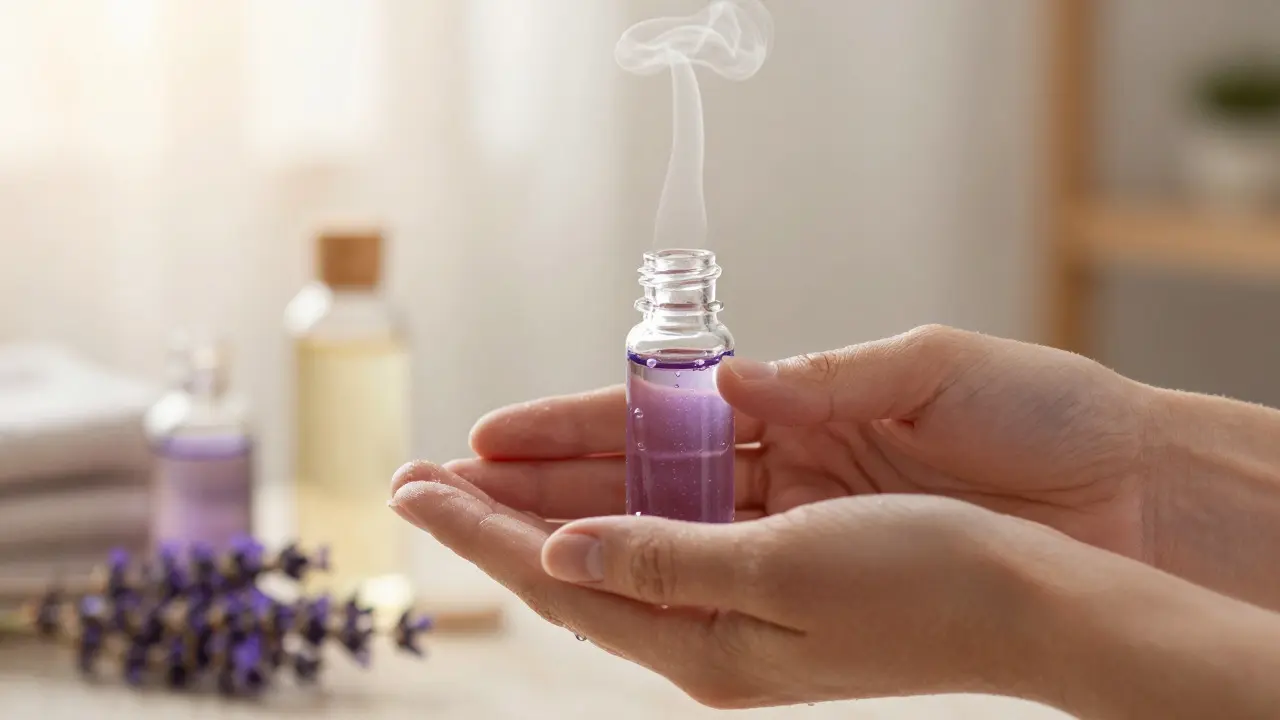
Ever noticed how a specific scent can instantly shift your mood? Maybe it’s the smell of lavender after a long day at work or the sharp citrus note that wakes you up before coffee kicks in. That’s not just a trick of your nose; it’s biology. The olfactory system connects directly to the limbic system, the part of your brain responsible for emotion and memory. When you combine this chemical reaction with the physical pressure of aromatherapy massage is a therapeutic practice that combines manual bodywork with the application of essential oils to promote physical and emotional well-being. It goes beyond simple relaxation. It is a targeted approach to reducing cortisol levels, improving sleep quality, and easing muscle tension.
You don’t need a spa membership to understand the value here. Whether you are dealing with chronic anxiety, poor sleep hygiene, or stiff shoulders from sitting at a desk, this method offers a dual-action benefit. You get the mechanical release of knots through massage techniques while simultaneously engaging your nervous system through scent. This article breaks down exactly how it works, which oils do what, and how to choose the right session for your specific needs.
The Science Behind Scent and Touch
To understand why this works, you have to look at two distinct pathways. First, there is the tactile pathway. When a therapist applies pressure to your muscles, it stimulates mechanoreceptors in your skin. These signals travel to your spinal cord and brain, triggering the release of endorphins and serotonin. This is the same mechanism as standard Swedish or deep tissue massage, but it sets the stage for the second pathway.
The second pathway is olfactory. Essential oils contain volatile aromatic compounds. When these compounds hit your nasal mucosa, they bind to olfactory receptors. Unlike taste buds, which reset quickly, olfactory signals go straight to the amygdala and hippocampus. This means the scent can alter your heart rate, blood pressure, and hormonal balance within minutes. For example, inhaling Lavender is an essential oil derived from Lavandula angustifolia plants, widely used for its calming properties has been shown in clinical settings to lower systolic blood pressure. Combine that with slow, rhythmic strokes, and you create a compounded effect that neither touch nor scent could achieve alone.
Key Benefits for Physical and Mental Health
People often think of aromatherapy massage as just "nice." But the outcomes are measurable. Here is what you can realistically expect based on current wellness research and practitioner experience:
- Stress Reduction: Lowering cortisol levels by up to 30% in some studies. This helps manage daily anxiety and prevents burnout.
- Sleep Improvement: Using sedative oils like Chamomile or Ylang Ylang can help regulate melatonin production, making it easier to fall asleep and stay asleep.
- Pain Management: Eucalyptus and Peppermint oils have natural analgesic and anti-inflammatory properties. When massaged into sore muscles, they can reduce perceived pain intensity.
- Mood Elevation: Citrus oils like Sweet Orange and Grapefruit stimulate the production of dopamine, helping combat low energy and mild depressive symptoms.
It is not a cure-all, but for many people, it acts as a powerful adjunct to other health strategies. If you struggle with tension headaches caused by neck tightness, addressing both the muscle knot and the stress trigger addresses the root cause more effectively than ice packs alone.

Choosing the Right Essential Oils
Not all oils are created equal. Choosing the wrong one can actually worsen your condition. For instance, using stimulating citrus when you are already anxious might keep you awake. Here is a quick guide to matching oils with your goals:
| Goal | Recommended Oils | Avoid |
|---|---|---|
| Relaxation & Sleep | Lavender, Roman Chamomile, Clary Sage | Citrus, Mint (too stimulating) |
| Energizing & Focus | Grapefruit, Rosemary, Lemon | Heavy florals, Sandalwood |
| Pain Relief | Eucalyptus, Peppermint, Ginger | Fragrant florals (distracting) |
| Respiratory Support | Eucalyptus, Tea Tree, Pine | Strong allergens |
Always check for allergies. Even if you love the smell of an oil, you might have a sensitivity to its compounds. Patch testing is standard practice for good reason. Also, consider the base oil. Jojoba oil is similar to human sebum, making it ideal for most skin types, while coconut oil is heavier and better for dry skin but harder to absorb.
What to Expect During a Session
If you are new to this, the first ten minutes are usually about consultation. A good therapist will ask about your primary concern. Are you here for stress? Pain? Better sleep? This determines the pressure level and the oil blend.
Once the oils are warmed in the therapist's hands, the massage begins. The heat from their palms helps the oils penetrate deeper into the skin and muscles. You will notice the scent becoming more intense as the room warms up. This is normal. If the scent becomes overpowering, speak up. It should be pleasant, not pungent. Most sessions last between 60 to 90 minutes. Afterward, you may feel slightly lightheaded or deeply relaxed. Drink water to help flush out metabolic waste released during the massage.

Home Care and DIY Tips
You don’t always need a professional. Simple self-massage techniques can maintain the benefits between appointments. Try this:
- Dilute 5 drops of Lavender oil in 1 tablespoon of carrier oil (like almond or jojoba).
- Apply to the back of your neck and shoulders.
- Use circular motions for 5-10 minutes.
- Breathe deeply through your nose to maximize inhalation.
This takes less than 15 minutes and can significantly lower evening stress levels. Just remember: never apply undiluted essential oils directly to large areas of skin, as this can cause irritation.
Frequently Asked Questions
Is aromatherapy massage safe for everyone?
Most people can enjoy it safely, but there are exceptions. Pregnant women should avoid certain oils like Clary Sage and Rosemary in high concentrations. People with asthma or severe allergies should consult a doctor first. Always inform your therapist of any medical conditions or medications you are taking.
How often should I get an aromatherapy massage?
For general maintenance, once a month is sufficient. If you are dealing with acute stress or chronic pain, bi-weekly sessions may be beneficial for the first few months. Listen to your body; if you feel consistently drained, you may need more frequent care.
Do I need to shower after an aromatherapy massage?
It is recommended to wait at least 4-6 hours before showering. This allows the essential oils time to fully absorb into the skin and continue working. If you must shower sooner, use lukewarm water and avoid harsh soaps that strip away the remaining oils.
Can I use essential oils on my face?
Be very cautious. Facial skin is thinner and more sensitive. Use only highly diluted oils (1-2%) and stick to gentle options like Lavender or Geranium. Avoid strong citrus or mint oils on the face as they can be irritating or photosensitive.
What is the difference between aromatherapy massage and regular massage?
The main difference is the addition of therapeutic essential oils. Regular massage focuses primarily on mechanical manipulation of soft tissues. Aromatherapy massage integrates the psychological and physiological effects of scent, creating a multi-sensory healing experience.
 Health and Wellness