

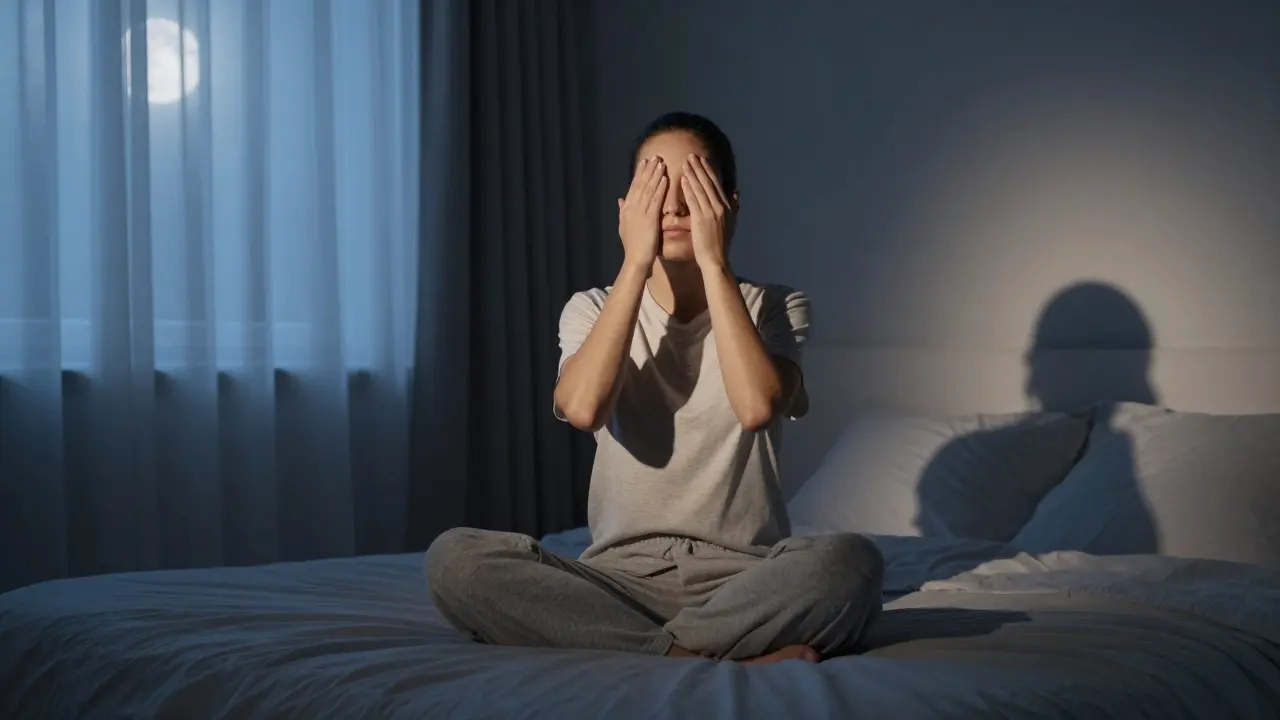
Counting sheep isn't working. You've tried the lavender pillow spray, the white noise machine, and even that expensive mattress topper, but you're still staring at the ceiling at 3 AM. If your mind races when your head hits the pillow, conventional treatments might be missing the root cause. For many people, insomnia isn't just a physical issue; it's an energetic blockage. This is where Reiki massage steps in as a powerful, natural ally.
Unlike traditional massage therapy that focuses primarily on muscle tissue, Reiki combines gentle touch with energy channeling. It’s not about kneading out knots in your back. It’s about clearing the static in your nervous system so your body can finally switch off. In this guide, we’ll break down how this Japanese healing technique works, why it’s effective for sleep disorders, and what you should expect during a session.
What Is Reiki Massage?
To understand why Reiki helps you sleep, you first need to separate it from a standard Swedish or deep-tissue massage. While both involve touch, their mechanisms are different. A traditional massage therapist uses their hands to manipulate muscles, tendons, and ligaments. A Reiki practitioner, often called a Reiki Master or healer, acts as a conduit for universal life energy, known as ki or chi.
In a typical Reiki session, the practitioner places their hands lightly on or just above your body. They don’t rub or press hard. Instead, they move through specific hand positions designed to align your chakras-the seven energy centers along your spine. The goal is to remove blockages in your energy flow. When these pathways are clear, your body’s natural ability to heal and relax kicks in. Think of it like unclogging a drain so the water (your energy) can flow freely again.
This practice originated in Japan in the early 20th century, developed by Mikao Usui. Today, it’s widely practiced globally as a complementary therapy. It doesn’t replace medical treatment for chronic insomnia, but it addresses the physiological state of hyperarousal that keeps many people awake.
The Science Behind Sleep and Energy Flow
Skeptics often ask if there’s any science behind "energy healing." While the concept of "life force energy" sounds metaphysical, the physiological effects of Reiki are measurable. The primary mechanism at play is the modulation of the autonomic nervous system.
Your nervous system has two main modes: sympathetic (fight or flight) and parasympathetic (rest and digest). Insomnia is essentially a stuck gas pedal on the sympathetic nervous system. Your cortisol levels remain high, your heart rate stays elevated, and your brain refuses to shut down. Reiki sessions have been shown to significantly lower cortisol levels and increase alpha and theta brain waves. These brain wave states are associated with deep relaxation and the onset of sleep.
A study published in the Journal of Advanced Nursing found that patients who received Reiki reported significantly improved sleep quality compared to those who received standard care alone. The reduction in anxiety and pain perception allowed participants to fall asleep faster and stay asleep longer. It’s not magic; it’s biology responding to a profound state of calm.
How Reiki Specifically Targets Insomnia
Insomnia rarely comes from one single source. It’s usually a cocktail of physical tension, mental chatter, and emotional stress. Reiki addresses all three simultaneously. Here is how it breaks down the barriers to sleep:
- Physical Relaxation: Even if you don’t feel tense, your body holds stress in subtle ways. Tight shoulders, clenched jaws, and rigid hips prevent the deep release needed for sleep. Reiki promotes a full-body melt, reducing muscle tone without the effort required in active stretching.
- Mental Quieting: The "monkey mind"-that endless loop of worries about tomorrow’s meeting or last night’s conversation-is a major sleep killer. The meditative state induced by Reiki helps quiet this internal dialogue. Many clients report drifting into a hypnagogic state (the border between wakefulness and sleep) during the session itself.
- Emotional Release: Sometimes, we’re too emotionally charged to sleep. Grief, anger, or unresolved anxiety creates energetic turbulence. Reiki facilitates the release of these trapped emotions, allowing you to enter bed with a lighter, clearer mind.

What to Expect During a Session
If you’ve never had Reiki before, the unknown can be intimidating. Knowing exactly what will happen can help you let go. Here is a step-by-step breakdown of a typical 60-minute session focused on sleep improvement.
- Consultation: Before you lie down, the practitioner will ask about your sleep patterns, stress levels, and any physical discomfort. Be honest here. Mentioning that you wake up at 2 AM every night helps them focus their intention.
- Preparation: You will lie fully clothed on a massage table. Comfort is key, so wear loose, breathable clothing. Shoes and socks are removed. The room will be dimly lit, likely with soft music playing to enhance relaxation.
- The Session: The practitioner begins by hovering their hands over your head to establish a connection. They then move through a series of positions, starting from the head and moving down to the feet. Each position may last from 1 to 5 minutes. You might feel warmth, tingling, pulsing, or simply deep peace. Some people fall asleep during this part. That’s perfectly fine.
- Closing: The session ends gently. The practitioner will give you a few minutes to reorient yourself before sitting up. You might feel drowsy, euphoric, or refreshed. Drinking water afterward is recommended to help flush out any released toxins.
DIY Reiki Techniques for Better Sleep
You don’t always need a practitioner to benefit from Reiki principles. Self-Reiki is a powerful tool for managing insomnia at home. You can learn basic hand positions to perform on yourself before bed. Here are three simple techniques to try tonight:
| Position | Hand Placement | Duration | Benefit |
|---|---|---|---|
| Third Eye Focus | Place palms gently over closed eyes or forehead | 3-5 minutes | Quiets mental chatter and visual stimulation |
| Heart Center | One hand on the center of the chest | 3-5 minutes | Reduces anxiety and emotional tension |
| Lower Abdomen | Both hands on the belly button area | 5-10 minutes | Grounds energy and aids digestion-related sleep issues |
To maximize effectiveness, combine these positions with deep breathing. Inhale for four counts, hold for four, and exhale for six. This rhythmic breathing signals safety to your brain, reinforcing the Reiki energy work.
Finding a Qualified Practitioner
Not all Reiki practitioners are created equal. Since the field is largely unregulated, finding someone skilled requires a bit of due diligence. You want someone who understands the physiology of sleep, not just the spiritual aspects.
Look for certifications from recognized organizations like the International Center for Reiki Training (ICRT) or the American Association of Reiki Professionals (AARP). Ask potential practitioners about their experience with insomnia specifically. Do they offer pre-sleep consultations? Do they adjust their technique for clients with high anxiety?
Also, consider the environment. A cluttered, noisy space won’t help you unwind. Visit the studio if possible. Does it feel calm? Is the lighting appropriate? Trust your gut. If you feel uneasy, keep looking. The therapeutic alliance-the trust between you and the practitioner-is crucial for the energy work to take hold.
Combining Reiki with Other Sleep Hygiene Practices
Reiki is most effective when integrated into a broader sleep hygiene routine. It’s not a standalone cure-all. To get the best results, pair your sessions with these evidence-based habits:
- Limit Blue Light: Avoid screens for at least an hour before bed. Blue light suppresses melatonin production, counteracting the relaxation benefits of Reiki.
- Keep a Cool Room: Your body temperature needs to drop to initiate sleep. Aim for a bedroom temperature between 60-67°F (15-19°C).
- Consistent Schedule: Go to bed and wake up at the same time every day, even on weekends. This regulates your circadian rhythm.
- Avoid Caffeine After Noon: Caffeine has a half-life of 5-6 hours. That afternoon coffee could still be circulating in your system at bedtime.
By combining the energetic reset of Reiki with these physical adjustments, you create a holistic approach to insomnia. You’re addressing the problem from multiple angles, increasing your chances of lasting change.
Potential Risks and Considerations
Reiki is generally considered safe for everyone, including children, pregnant women, and the elderly. There are no known side effects or contraindications. However, some people may experience a "healing crisis" after a session. This can manifest as temporary fatigue, emotional release (crying), or mild headaches. These symptoms usually resolve within 24-48 hours and indicate that your body is processing and releasing stored stress.
If you have severe insomnia accompanied by other health issues like depression or chronic pain, consult your doctor. Reiki should complement, not replace, professional medical advice. Always inform your healthcare provider about any alternative therapies you’re using.
How many Reiki sessions do I need to improve my sleep?
Results vary by individual. Some people feel immediate relief after one session, while others benefit from a series of 3-5 weekly sessions. Chronic insomnia may require ongoing maintenance, such as monthly sessions combined with self-Reiki practices.
Does Reiki massage hurt?
No, Reiki is non-invasive and gentle. The practitioner does not apply pressure or manipulate tissues. Most people find it deeply relaxing and pain-free. If you have sensitive skin or conditions like fibromyalgia, Reiki is often more comfortable than traditional massage.
Can I do Reiki on myself if I have trouble sleeping?
Yes, self-Reiki is highly effective for insomnia. Learning basic hand positions allows you to practice daily. Consistency is key. Performing self-Reiki for 10-15 minutes before bed can help condition your body to associate the practice with sleep onset.
Is Reiki massage covered by insurance?
Coverage varies widely. Some health insurance plans cover Reiki if prescribed by a doctor for stress management or pain relief. Others consider it an alternative therapy and exclude it. Check with your provider and look for practitioners who accept HSA/FSA cards.
How long does the effect of Reiki last?
The immediate relaxation effects can last for several days. However, for chronic issues like insomnia, regular sessions are recommended to maintain balance. As your body learns to regulate its own energy flow, you may find you need fewer sessions over time.
 Health and Wellness