
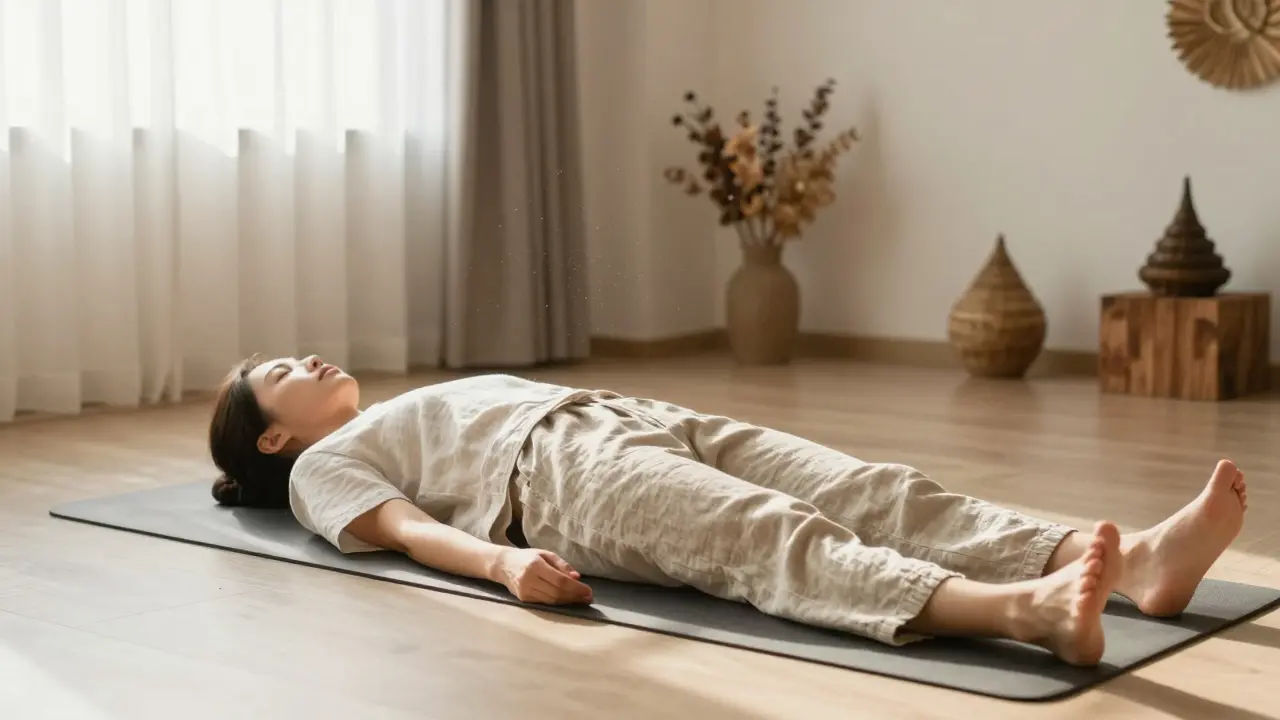
Imagine lying on a mat, fully clothed, while someone stretches your limbs like a gentle acrobat. There is no oil, no lotion, and certainly no awkward small talk about your weekend plans. This is Thai bodywork, an ancient healing practice that feels less like a spa treatment and more like being put through the wringer by a very caring martial artist. If you have ever suffered from chronic back pain, stiff shoulders, or just general fatigue from sitting at a desk all day, this might be exactly what your body needs.
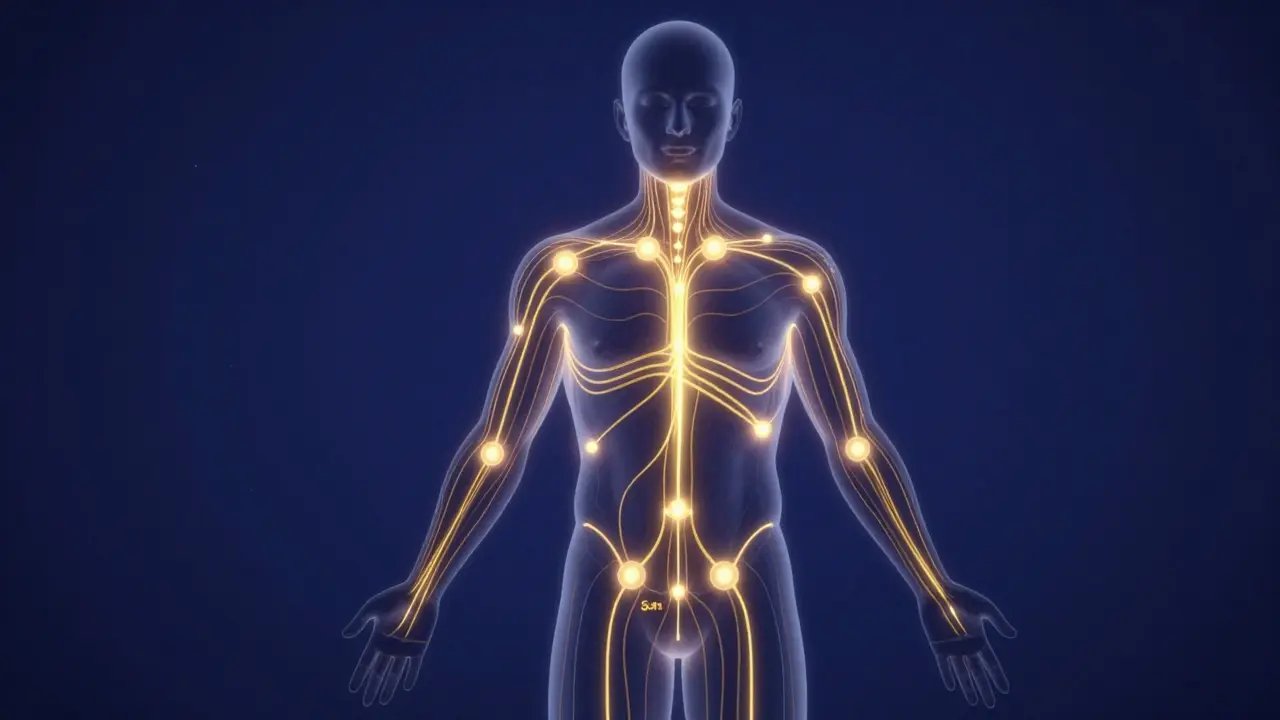
Unlike Swedish massage, which focuses on relaxation through long, gliding strokes, Thai bodywork is dynamic. It combines acupressure, Indian Ayurvedic principles, and assisted yoga postures. The therapist uses their hands, thumbs, elbows, knees, and feet to apply pressure along specific energy lines called Senas. Think of it as "passive yoga" where you do not have to lift a finger. You simply breathe, relax into the stretch, and let the practitioner guide your body through a series of movements designed to release tension and restore balance.
What Is Thai Bodywork?
To understand Thai bodywork, you first need to look at its roots. Originating in Thailand over 2,500 years ago, this practice was developed alongside traditional Thai medicine. Legend attributes its creation to Jivaka Kumarabhacca, the physician to the Buddha. However, modern historians suggest it evolved from a blend of Indian Ayurveda, Chinese acupressure, and indigenous Thai healing techniques.
The core philosophy revolves around the concept of energy flow. In Thai tradition, health is determined by the free flow of energy through ten primary lines (Sen) and four secondary lines. When these lines are blocked-due to stress, poor posture, or injury-pain and illness follow. Thai bodywork aims to unblock these lines using rhythmic compression and stretching.
| Feature | Thai Bodywork | Swedish Massage | Deep Tissue Massage |
|---|---|---|---|
| Clothing | Fully clothed (loose fit) | Nude (draped with sheets) | Nude or underwear |
| Surface | Firm floor mat | Padded massage table | Padded massage table |
| Technique | Stretching, compression, joint mobilization | Effleurage, petrissage, tapping | Slow strokes, deep friction |
| Primary Goal | Energetic balance, flexibility, mobility | Relaxation, circulation | Pain relief, muscle knot release |
The Core Techniques: How It Works
When you lie down for a session, the therapist will start by assessing your body’s alignment and energy flow. They often begin with gentle compressions on the head and neck to calm the nervous system before moving to larger muscle groups. The techniques can be broken down into three main categories:
- Rhythmic Compression: The therapist uses their palms, thumbs, or forearms to press along the Sen lines. This mimics the effect of acupressure, stimulating blood flow and releasing stagnant energy. You might feel a dull ache or a tingling sensation, which is normal.
- Assisted Yoga Posures: This is the most distinctive part of Thai bodywork. The therapist will pull your arms overhead, twist your torso, or push your legs up toward your ears. These stretches target deep connective tissues and improve joint range of motion. For example, the "butterfly stretch" opens the hips, while spinal twists decompress the vertebrae.
- Joint Mobilization: Gentle rocking and twisting motions help lubricate joints and reduce stiffness. This is particularly beneficial for people with arthritis or those who spend hours typing at a computer.
The therapist moves around you, sometimes standing on the mat to use their body weight for deeper pressure. Do not worry; they are trained to control their force precisely. If a stretch feels too intense, you communicate immediately. Consent and comfort are paramount.
Health Benefits: Why People Seek Thai Bodywork
Why would someone choose Thai bodywork over a standard massage? The answer lies in its holistic approach. While other massages focus on muscles, Thai bodywork addresses the entire kinetic chain. Here are some specific benefits backed by both traditional wisdom and modern observation:
- Improved Flexibility and Mobility: Regular sessions can significantly increase your range of motion. Athletes often use Thai bodywork to maintain peak performance and prevent injuries caused by tight muscles.
- Pain Relief: By releasing tension in the fascia (connective tissue), Thai bodywork can alleviate chronic pain conditions such as lower back pain, sciatica, and neck stiffness. Studies published in journals like the Journal of Bodywork and Movement Therapies have shown reductions in pain scores after a series of treatments.
- Stress Reduction: The combination of rhythmic breathing and physical manipulation activates the parasympathetic nervous system. This lowers cortisol levels, helping you feel calmer and more centered.
- Better Posture: Many of the stretches counteract the effects of slouching. Opening the chest and strengthening the back muscles helps align the spine naturally.
- Enhanced Circulation: The compression techniques pump blood and lymph fluid through the body, aiding detoxification and reducing swelling.
Who Should Try Thai Bodywork?
Thai bodywork is versatile, but it is not for everyone. It is ideal for active individuals, office workers with sedentary lifestyles, and anyone interested in mindfulness and body awareness. If you enjoy yoga but struggle with holding poses due to stiffness, this therapy allows you to experience the benefits without the effort.
However, there are important contraindications. You should avoid Thai bodywork if you have:
- Recent fractures or bone breaks
- Severe osteoporosis
- Acute inflammation or fever
- Open wounds or skin infections
- Uncontrolled high blood pressure
- Pregnancy (unless the therapist is specially certified in prenatal Thai massage)
If you have any of these conditions, consult your doctor before booking a session. Always inform your therapist about your medical history so they can adjust the intensity accordingly.
What to Expect During Your First Session
Your first visit to a Thai bodywork clinic might feel different from a typical spa. Here is a step-by-step guide to help you prepare:
- Wear Comfortable Clothing: Unlike oil massages, you stay fully dressed. Choose loose, breathable fabrics like cotton or linen. Avoid jeans, belts, or restrictive waistbands. Some clinics provide simple pants and shirts if you prefer.
- Arrive Early: Plan to arrive 10-15 minutes early to fill out intake forms and discuss your goals with the therapist. Mention any areas of pain or tension you want them to focus on.
- The Environment: Look for a quiet, dimly lit room with a firm mat on the floor. Incense or essential oils may be used to enhance relaxation, but no oil will touch your skin.
- Communication is Key: During the session, you might feel deep stretches or pressure points. Use a scale of 1-10 to describe your comfort level. "Too much" means stop or lighten up. "Just right" means continue. Silence does not mean consent; speak up.
- Post-Session Care: Afterward, drink plenty of water to flush out toxins released from the tissues. You might feel slightly sore for 24 hours, similar to post-workout stiffness. Rest and hydrate.
Finding a Qualified Practitioner
Not all massage therapists are trained in authentic Thai bodywork. Because the technique involves complex leverage and anatomy knowledge, improper execution can lead to injury. Look for practitioners who hold certifications from recognized institutions such as:
- Wat Pho Temple School of Traditional Thai Medicine (Bangkok): The gold standard for training.
- Suan Sunandha College of Physical Education (Thailand): Offers rigorous academic and practical courses.
- International Thai Medical Association (ITMA): Certifies therapists globally.
In the UK, check if the therapist is registered with the Federation of Holistic Therapists (FHT) or the Complementary and Natural Healthcare Council (CNHC). These bodies ensure that practitioners meet safety and ethical standards. Ask potential therapists about their training background, especially if they learned directly in Thailand.
Cost and Frequency
In Birmingham and other major UK cities, a 60-minute Thai bodywork session typically costs between £50 and £80. A 90-minute session may range from £70 to £100. Prices vary based on the therapist’s experience and location. Since Thai bodywork is physically demanding for both client and practitioner, sessions are usually shorter than Swedish massages to maintain quality.
How often should you go? For acute pain or injury recovery, weekly sessions for 4-6 weeks are recommended. For maintenance and general wellness, once a month is sufficient. Many people find that regular Thai bodywork reduces the frequency of headaches and back spasms over time.
DIY Thai Stretches for Home Practice
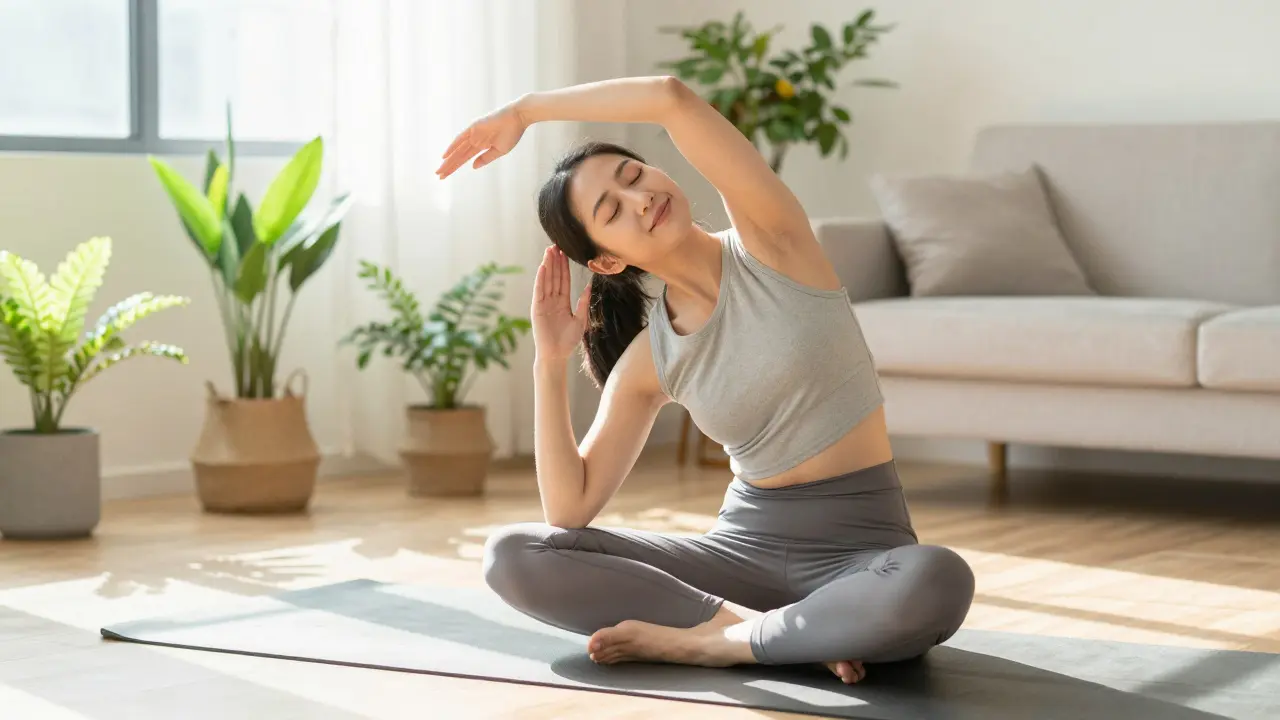
You do not need a therapist to benefit from Thai principles. Incorporating simple self-stretches into your daily routine can keep your energy lines open. Try these two easy moves:
- Seated Spinal Twist: Sit cross-legged. Place your right hand on your left knee and your left hand behind you. Gently twist your torso to the left, looking over your shoulder. Hold for 30 seconds, then switch sides. This releases tension in the spine and improves digestion.
- Standing Quad Stretch with Arm Reach: Stand tall. Lift your right foot behind you, grabbing your ankle with your right hand. Simultaneously reach your left arm forward and overhead. Keep your hips square. Hold for 20 seconds. This opens the hip flexors and stretches the chest.
Perform these stretches slowly, focusing on your breath. Inhale to prepare, exhale to deepen the stretch. Consistency matters more than intensity.
Conclusion: Embracing Balance
Thai bodywork is more than just a massage; it is a journey toward bodily awareness and energetic harmony. Whether you are seeking relief from chronic pain, improved flexibility, or simply a deeper sense of relaxation, this ancient practice offers a unique path to better health. By understanding its techniques, benefits, and precautions, you can make informed decisions about incorporating it into your wellness routine. Remember, the goal is not just to fix what is broken, but to nurture what is whole.
Is Thai bodywork painful?
Thai bodywork should not be painful. You may experience discomfort or a "good hurt" during deep stretches, similar to the feeling after a good workout. However, sharp or shooting pain is a sign to stop immediately. Communicate openly with your therapist to adjust the pressure and intensity to your comfort level.
Do I need to remove my clothes for Thai massage?
No, you remain fully clothed during Thai bodywork. Wear loose, comfortable clothing that allows for easy movement. Tight jeans, belts, or restrictive waistbands should be avoided. Some clinics provide loose pants and shirts if you prefer.
How many sessions of Thai bodywork do I need?
The number of sessions depends on your goals. For acute pain or injury, weekly sessions for 4-6 weeks are recommended. For general maintenance and wellness, once a month is sufficient. Many clients notice significant improvements after just one or two sessions.
Can pregnant women receive Thai bodywork?
Pregnant women can receive Thai bodywork only if the therapist is specially certified in prenatal Thai massage. Standard Thai bodywork involves positions and pressures that may not be safe during pregnancy. Always consult your healthcare provider before booking a session.
What is the difference between Thai massage and Thai bodywork?
The terms are often used interchangeably. However, "Thai bodywork" may imply a broader scope that includes additional healing modalities beyond traditional massage, such as herbal compresses or cupping. In practice, both refer to the same core techniques of stretching and compression.
 Health and Wellness