
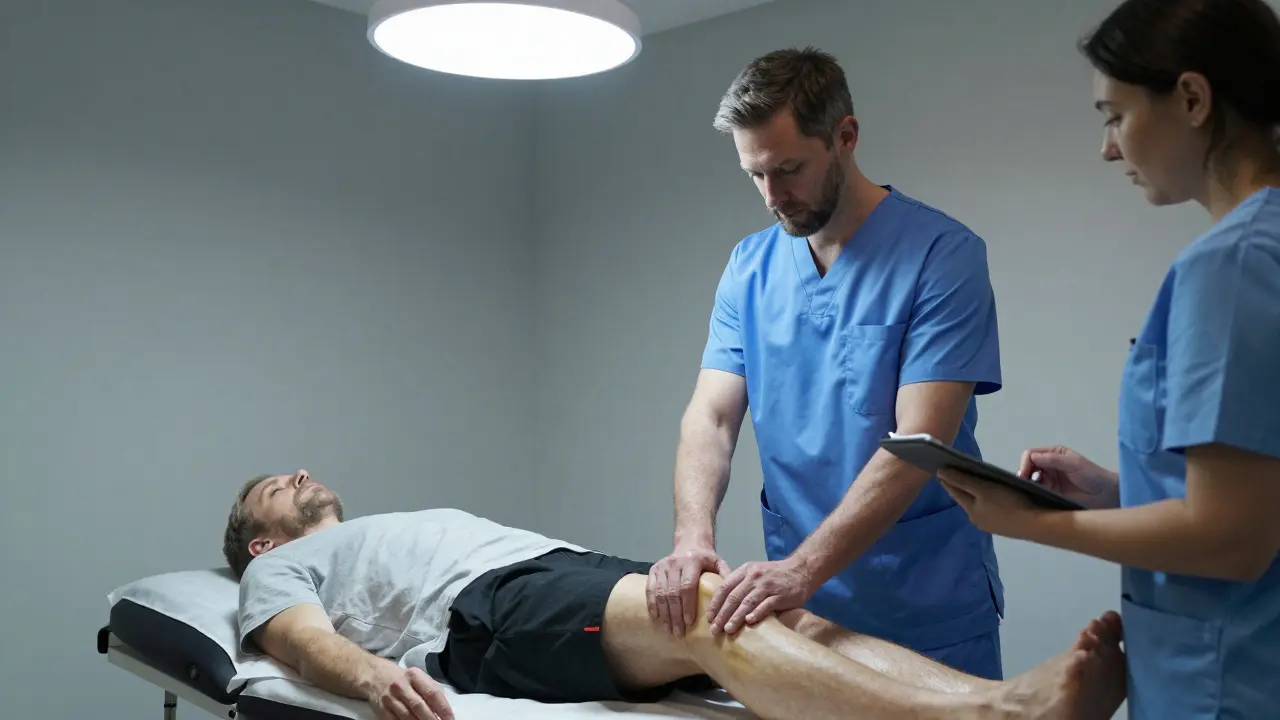
Five years ago, if you mentioned medical massage to a doctor, they’d probably nod politely and change the subject. Today, it’s being prescribed alongside physical therapy, recommended after surgery, and covered by insurance in places like Australia, Germany, and parts of the U.S. Why? Because the data doesn’t lie - medical massage isn’t just relaxation. It’s medicine.
What Exactly Is Medical Massage?
Medical massage isn’t a type of massage you get at a spa with candles and lavender oil. It’s a targeted, clinical intervention performed by licensed therapists trained in anatomy, pathology, and rehabilitation. Unlike Swedish or hot stone massage, medical massage doesn’t aim to ‘de-stress’ - it aims to fix.
It’s used to treat specific conditions: chronic lower back pain, sciatica, post-surgical scar tissue, muscle atrophy after injury, lymphedema, and even neuropathic pain from diabetes. Therapists work directly with doctors, physiotherapists, and chiropractors. They follow treatment plans. They document progress. They adjust techniques based on patient response.
Think of it like this: if physical therapy is the rehab program, medical massage is the precision tool that speeds up recovery. It’s not a luxury. It’s a component of care.
How It Works: Science Behind the Pressure
It’s not magic. It’s biology. When you apply controlled pressure to tight muscles or inflamed tissue, you trigger real physiological changes.
- Reduces inflammation: A 2023 study in the Journal of Clinical Medicine showed that 12 sessions of targeted myofascial release lowered IL-6, a key inflammatory marker, by 37% in patients with chronic low back pain.
- Improves circulation: Massage increases blood flow to damaged areas, delivering oxygen and nutrients faster. This helps heal tendons, ligaments, and nerves.
- Resets the nervous system: Chronic pain isn’t just in the muscle - it’s in the brain. Medical massage helps rewire pain signals by calming the sympathetic nervous system and boosting endorphins.
- Breaks down adhesions: After injury or surgery, scar tissue forms like internal glue. Medical massage uses deep, directional strokes to gently separate those fibers, restoring mobility.
One patient in Sydney, a 58-year-old nurse who had knee replacement surgery, told her therapist: ‘I could walk 500 meters before. After six sessions, I walked 2.5 kilometers without painkillers.’ That’s not anecdotal - it’s measurable.
Who’s Using It - And Why
Medical massage isn’t just for older adults with back pain. It’s being used across demographics:
- Athletes: Professional teams in Australia and the U.S. now have massage therapists on staff. They use it not just for recovery, but to prevent injuries by catching tightness before it becomes a tear.
- Post-cancer patients: Lymphatic drainage massage is now standard care for reducing swelling after lymph node removal. The Australian Cancer Council includes it in their recovery guidelines.
- Office workers: With rising cases of tech neck and repetitive strain injuries, employers in Sydney are starting to offer medical massage as part of workplace wellness programs.
- Seniors: For those with arthritis or limited mobility, gentle medical massage improves joint range of motion without drugs or surgery.
Insurance coverage is expanding, too. In Australia, Medicare’s Enhanced Primary Care plan now covers up to five sessions of allied health services per year - including massage - if referred by a GP. In some U.S. states, workers’ comp and private insurers pay for it outright.
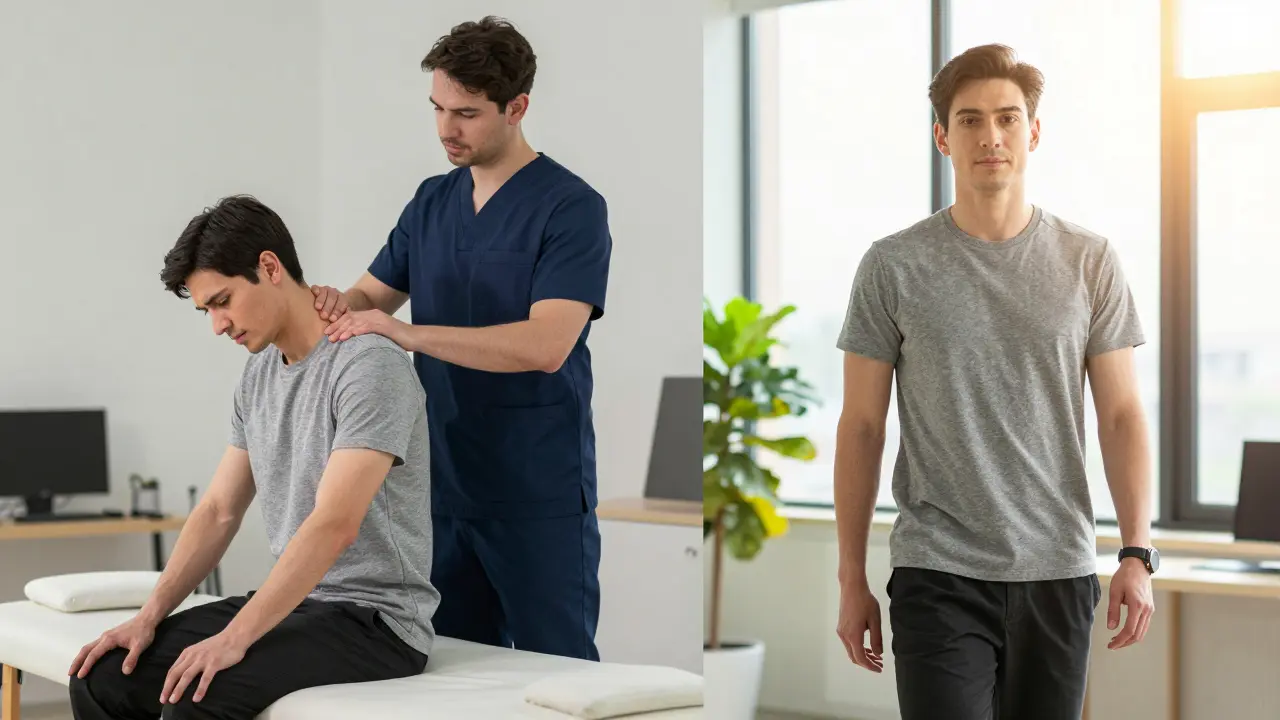
Medical Massage vs. Regular Massage: The Key Differences
| Feature | Medical Massage | Spa Massage |
|---|---|---|
| Purpose | Treat specific medical conditions | Relaxation and stress relief |
| Therapist Training | Advanced anatomy, pathology, clinical protocols | Basic massage techniques |
| Session Structure | Based on doctor’s plan, progress tracked | Standard 60-90 min routine |
| Documentation | Medical notes, treatment logs, outcomes | None |
| Insurance Coverage | Often covered with referral | Rarely covered |
| Frequency | 2-4 times per week initially | Once a month or less |
The biggest difference? Medical massage is accountable. You don’t just ‘feel better.’ You get measurable results - less pain, more movement, fewer meds.
Why It’s Suddenly Everywhere
Three things changed everything:
- The opioid crisis: Doctors needed alternatives. Massage has no side effects, no risk of addiction, and proven results for chronic pain.
- Cost of care: Surgery, imaging, and long-term meds are expensive. Massage is cheaper. A 2024 study in the Journal of Pain Management found that patients who used medical massage reduced their annual pain medication costs by 41%.
- Research finally caught up: For years, massage was dismissed as ‘woo.’ Now, peer-reviewed studies from Harvard, Johns Hopkins, and the University of Sydney show clear biological benefits.
Hospitals in Melbourne and Brisbane now have massage therapists on-site. Rehabilitation centers include it in discharge plans. Even the Australian Physiotherapy Association now lists it as a complementary therapy with strong evidence.
How to Find a Qualified Medical Massage Therapist
Not every massage therapist does medical massage. Here’s how to tell the difference:
- Ask if they’re certified in clinical massage or therapeutic massage - not just ‘massage therapy’.
- Check if they work with doctors or have a referral system.
- Ask to see their training credentials. Look for programs that include anatomy, kinesiology, and pathology - not just ‘pressure points’.
- They should ask about your medical history, medications, and recent surgeries.
- They should be willing to communicate with your GP or physiotherapist.
In Sydney, clinics like MediMassage Australia and Therapeutic Bodyworks are accredited by the Australian Massage Therapy Association. They’re the ones you want.
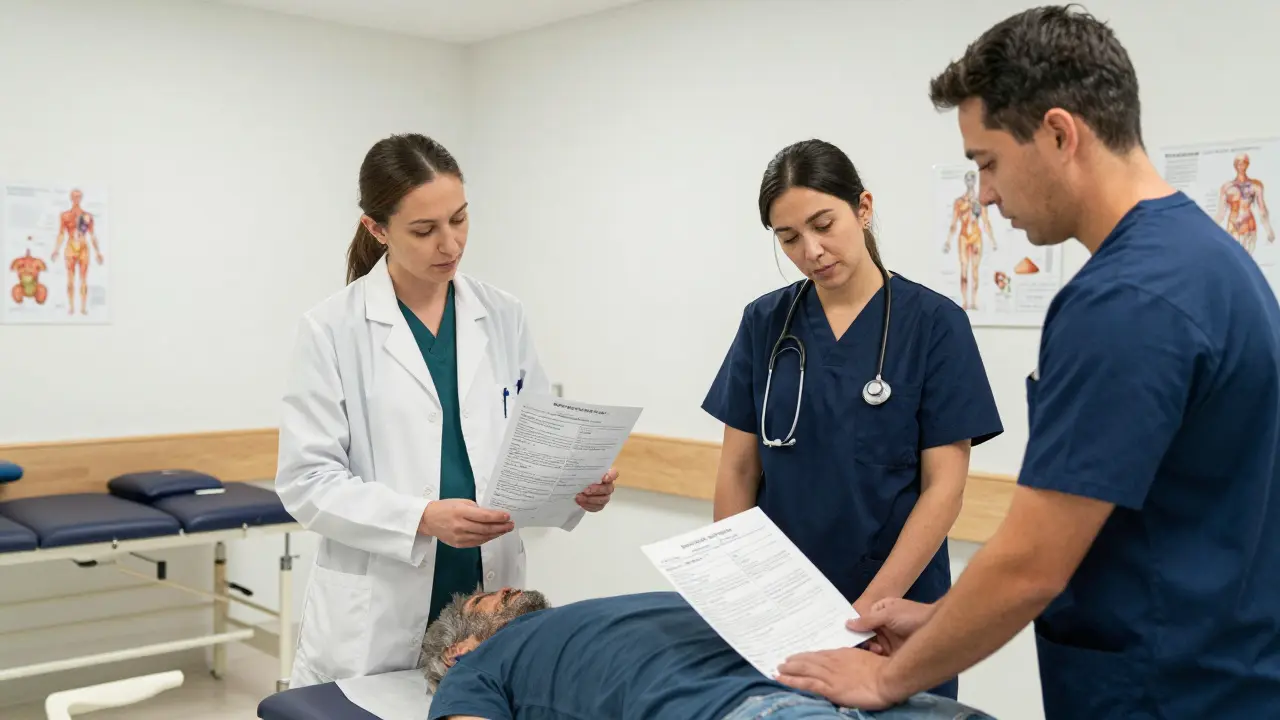
What It Doesn’t Do
Medical massage isn’t a cure-all. It won’t:
- Reverse advanced arthritis
- Replace surgery for a torn ACL
- Fix nerve damage from spinal cord injury
- Eliminate the need for physical therapy
It’s a tool - not a miracle. But used correctly, it’s one of the most effective, low-risk tools we have for pain and mobility.
The Future Is Already Here
Five years ago, medical massage was niche. Today, it’s part of mainstream rehab. Tomorrow, it’ll be as common as a prescription for ibuprofen.
More doctors are learning about it. More insurers are paying for it. More patients are asking for it. And the research keeps growing.
If you’re living with chronic pain, recovering from injury, or just tired of relying on pills - medical massage isn’t just a trend. It’s a proven path back to movement, function, and life without constant discomfort.
Is medical massage the same as physical therapy?
No. Physical therapy focuses on movement, strength, and function through exercises and equipment. Medical massage targets soft tissue - muscles, fascia, ligaments - to reduce pain and improve mobility. They often work together. A PT might give you stretches, and a medical massage therapist might loosen the tight muscles holding you back from doing them.
Can medical massage help with nerve pain?
Yes, but only if done correctly. Techniques like neuromuscular therapy and myofascial release can reduce pressure on compressed nerves, such as in carpal tunnel or sciatica. It won’t heal a damaged nerve, but it can relieve the surrounding tension that’s making the pain worse. Many patients with diabetic neuropathy report reduced burning and tingling after consistent treatment.
How many sessions do I need to see results?
Most people notice a difference after 3-5 sessions. For chronic conditions like lower back pain or post-surgical stiffness, a typical course is 8-12 sessions over 4-6 weeks. It’s not a one-time fix - it’s a process. Think of it like going to the gym: one workout won’t change your body, but consistent effort will.
Does insurance cover medical massage in Australia?
Yes, under certain conditions. If your GP refers you under an Enhanced Primary Care (EPC) plan, Medicare covers up to five allied health sessions per year, including massage. Private health insurers also often cover it under extras packages - check your policy for ‘remedial massage’ or ‘clinical massage’ benefits. You’ll need a referral and proof of medical need.
Is medical massage safe after surgery?
It’s not only safe - it’s often recommended. After surgeries like hip replacements or mastectomies, massage helps reduce swelling, prevent scar tissue buildup, and restore circulation. But timing matters. Always wait until your surgeon clears you - usually 2-6 weeks post-op - and only work with therapists trained in post-surgical care.
Can I do medical massage at home?
You can use foam rollers or massage guns for general tension, but true medical massage requires hands-on, trained technique. You can’t replicate deep tissue work, scar mobilization, or lymphatic drainage on your own. DIY tools can help between sessions, but they’re not a substitute for professional care.
What to Do Next
If you’re dealing with ongoing pain, stiffness, or recovery from injury, don’t wait until it gets worse. Talk to your GP or physiotherapist. Ask if medical massage could be part of your treatment plan. Bring this article. Ask for a referral. You’ve got nothing to lose - and your mobility, your comfort, and your quality of life to gain.
 Health and Wellness