
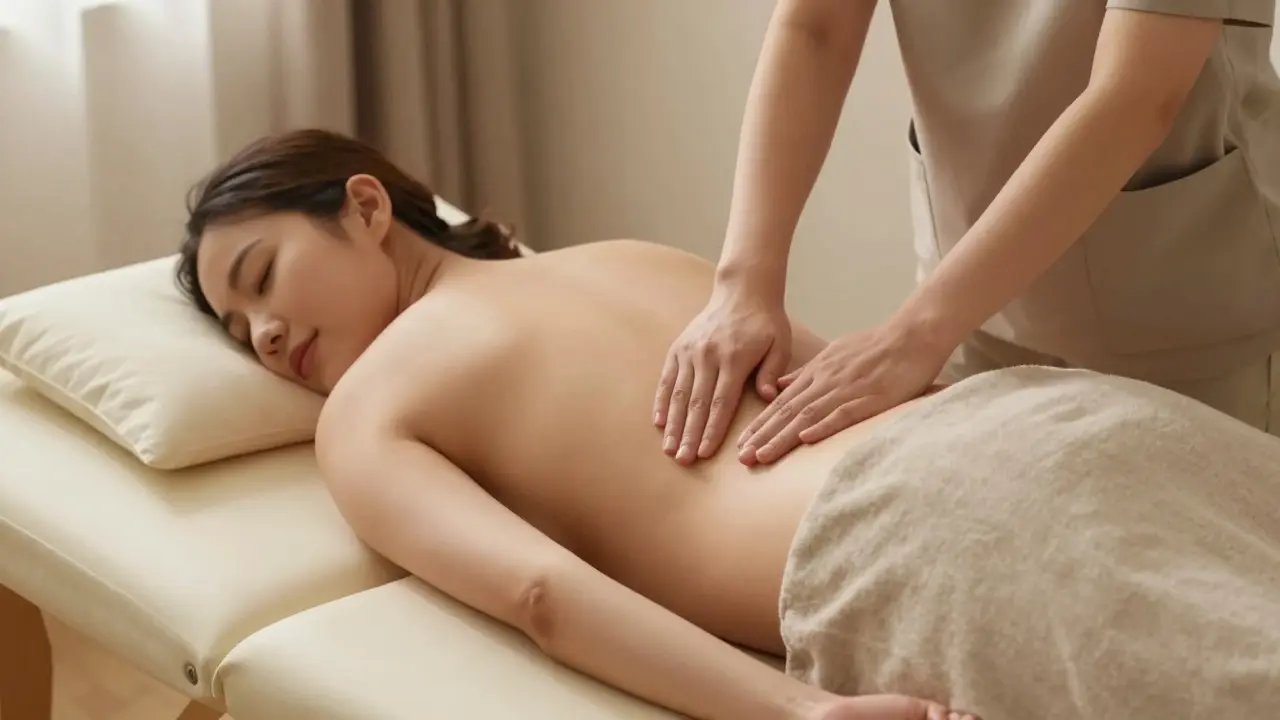
Every pregnant woman knows the aches that come with carrying a growing baby - the lower back pain, the swollen feet, the tight shoulders from sleeping in weird positions, and that constant feeling of being stretched too thin. What most don’t realize is that one simple, natural tool can ease most of it: prenatal massage.
It’s Not Just a Luxury - It’s Medicine
Prenatal massage isn’t a spa treat you splurge on when you have extra cash. It’s a clinically supported therapy that reduces stress hormones, lowers blood pressure, and improves circulation. A 2023 study published in the Journal of Bodywork and Movement Therapies found that pregnant women who received weekly prenatal massages for eight weeks had 30% lower cortisol levels and reported significantly less lower back and pelvic pain than those who didn’t.Unlike over-the-counter painkillers, which carry risks during pregnancy, massage works with your body - not against it. It doesn’t mask symptoms. It helps your body heal itself.
How It Works: The Science Behind the Pressure
Your body changes dramatically during pregnancy. Blood volume increases by 50%, your center of gravity shifts forward, and your ligaments loosen to prepare for birth. All of this puts pressure on muscles, nerves, and joints.Prenatal massage targets these changes directly. Therapists use specific techniques:
- Light to moderate pressure on the lower back and hips to ease sciatic nerve compression
- Effleurage (long, gliding strokes) on the legs to reduce swelling and prevent varicose veins
- Shoulder and neck work to relieve tension from hunching over a desk or breastfeeding
- Positioning on specialized pillows so you never lie flat on your back - which can compress major blood vessels
These aren’t random moves. They’re based on anatomy. For example, the hormone relaxin loosens pelvic ligaments, which can cause instability. Massage helps stabilize surrounding muscles, giving you better support.
Real Benefits You Can Feel - Not Just Research
Here’s what actual women report after just a few sessions:- Improved sleep - 78% of women in a 2024 Australian maternity survey said they slept deeper after regular massage
- Less anxiety - Reduced cortisol and increased serotonin levels help calm the nervous system
- Shorter labor - One 2022 study showed women who received massage twice a week had labors that were, on average, 2.5 hours shorter
- Fewer headaches - Improved circulation reduces pressure in the head and neck
- Less swelling - Manual lymphatic drainage techniques help move fluid out of swollen ankles and hands
One woman from Hobart, 34 weeks pregnant, told me she went from needing two pillows to sleep to sleeping through the night after just three sessions. She didn’t expect it to work that fast - but it did.
When to Start - And When to Wait
You can start prenatal massage as early as the first trimester - if you’re feeling okay. Some women wait until after the 12-week mark due to morning sickness or fear of miscarriage. But there’s no evidence that massage causes miscarriage. In fact, gentle massage can help reduce nausea by stimulating the vagus nerve.There are a few red flags, though. If you have:
- High-risk pregnancy (preeclampsia, placenta previa)
- Deep vein thrombosis or blood clots
- Severe swelling with sudden weight gain (could signal preeclampsia)
- Unexplained vaginal bleeding
...then talk to your doctor first. Otherwise, if you’re having a normal pregnancy, massage is safe and often recommended.

What to Look for in a Therapist
Not all massage therapists are trained for pregnancy. Look for someone with:- Certification in prenatal massage (not just general massage)
- Experience working with pregnant women - ask how many clients they’ve seen
- Special equipment - tables with belly cutouts or side-sleeping bolsters
- Knowledge of contraindications - they should ask about your pregnancy history
A therapist who doesn’t know how to position you safely can do more harm than good. Avoid places that offer "relaxation massages" without pregnancy-specific training.
How Often Should You Go?
There’s no one-size-fits-all schedule, but here’s a practical guide:- First trimester: Once a month - focus on stress relief and nausea reduction
- Second trimester: Every two weeks - target back pain, swelling, and posture changes
- Third trimester: Weekly - prepare your body for labor, reduce pelvic pressure, improve sleep
Some women do it every week right up until birth. Others find biweekly works better for their budget. Even one session a month can make a difference.
What About At-Home Massage?
You don’t always need a professional. Partner-assisted massage can be powerful. Simple techniques like:- Gentle circular strokes on the lower back with coconut or almond oil
- Foot rubs with a tennis ball rolled under the arch
- Shoulder squeezes while sitting upright
These aren’t replacements for professional care, but they’re excellent supplements. Plus, they help your partner feel involved - which matters more than you think.

Why This Isn’t Just About Comfort
Prenatal massage doesn’t just make you feel better today. It sets the stage for a healthier birth and postpartum recovery. Women who get regular massage during pregnancy report:- Lower rates of postpartum depression
- Faster recovery after delivery
- Improved bonding with their newborn
Why? Because stress doesn’t just live in your muscles - it lives in your mind. When your body relaxes, your brain follows. And a calmer mom means a calmer baby.
It’s Not Just for the Body - It’s for the Soul
Pregnancy can feel isolating. You’re changing in ways no one else fully understands. A prenatal massage session is one hour a week where you’re not a mom-to-be, a patient, or a worker. You’re just you - held, supported, and cared for.That emotional reset is as important as the physical relief. In a world that tells women to "push through" discomfort, prenatal massage says: You deserve to feel good.
Final Thought: You’re Not Being Selfish
Many women skip prenatal massage because they feel guilty spending money or time on themselves. But here’s the truth: when you care for yourself, you care for your baby better. A rested, less-stressed mom has better blood flow to the placenta. Better hormone balance. A stronger immune system.Prenatal massage isn’t a luxury. It’s a necessity. It’s not optional for your well-being - it’s part of your prenatal care. Just like ultrasounds and prenatal vitamins, it belongs on your list. Not because it’s trendy. Because it works.
Is prenatal massage safe during the first trimester?
Yes, it’s safe for most women in the first trimester, as long as you’re not experiencing bleeding, severe nausea, or a high-risk diagnosis. Many therapists avoid deep pressure in early pregnancy as a precaution, but light, gentle massage is beneficial and helps with nausea and fatigue. Always choose a certified prenatal therapist who knows how to adapt techniques.
Can prenatal massage induce labor?
No, prenatal massage does not induce labor unless you’re already close to your due date and your body is ready. Some pressure points - like the webbing between the thumb and index finger - are traditionally thought to stimulate contractions, but research shows these only work if your body is primed for labor. In early or mid-pregnancy, massage is calming, not stimulating. A qualified therapist avoids these points unless you’re past 38 weeks and want to encourage labor.
How much does a prenatal massage cost?
In Australia, a 60-minute prenatal massage typically costs between $80 and $130, depending on location and therapist experience. Some private health insurers cover part of the cost under "extras" policies - check your level of cover. Many clinics offer package deals for weekly sessions, which can reduce the per-session price by 15-20%.
Can I get a prenatal massage if I have gestational diabetes?
Yes, as long as your blood sugar is well-controlled. Massage can actually help improve circulation and reduce swelling, which are common concerns with gestational diabetes. Your therapist should avoid deep pressure on the legs if you have neuropathy or circulation issues. Always inform your therapist about your condition so they can adjust pressure and positioning accordingly.
What’s the difference between prenatal massage and regular massage?
Prenatal massage is specifically adapted for the pregnant body. It avoids lying on the back after the first trimester, uses specialized pillows for side-lying, applies lighter pressure on the abdomen and certain pressure points, and focuses on areas most affected by pregnancy - lower back, hips, legs, and shoulders. A regular massage therapist without prenatal training may not know these adjustments, which could lead to discomfort or risk.
 Health and Wellness