
What Is Acu-Yoga?
You’ve probably heard of yoga, a practice that combines movement, breath, and mindfulness to improve flexibility and mental clarity. You might also know about acupuncture, the traditional Chinese medicine technique that uses thin needles to stimulate specific points on the body to relieve pain and restore balance. But have you heard of acu-yoga? It’s a hybrid practice that merges the gentle stretching of yoga with the targeted pressure of acupressure.
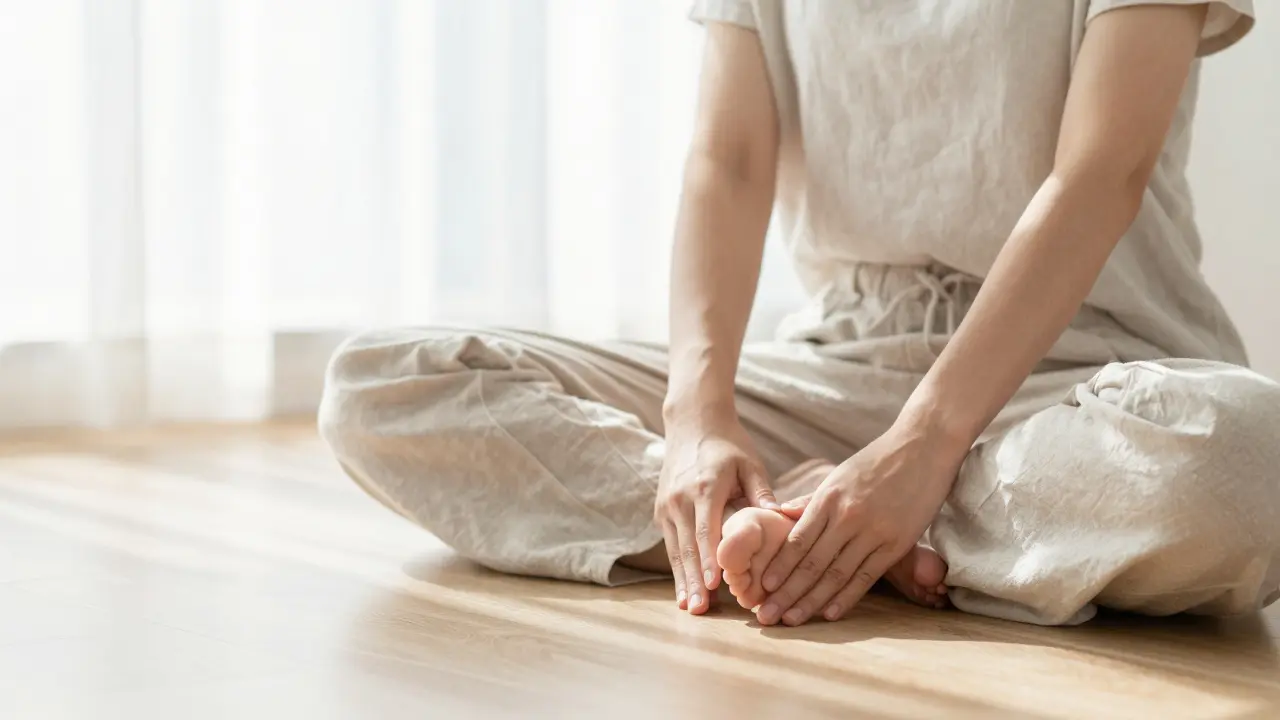
Acu-yoga is a holistic wellness method that applies finger or thumb pressure to acupuncture points while holding yoga poses. Unlike standard yoga, which focuses on alignment and flow, acu-yoga adds a layer of internal stimulation. The goal isn’t just to stretch your muscles; it’s to unblock energy pathways, reduce tension in specific organs, and calm the nervous system from the inside out. If you’ve ever felt that a regular yoga session left you feeling good but didn’t quite address that nagging headache or stiff lower back, this could be the missing piece.
Why Combine Yoga and Acupressure?
The human body doesn’t operate in isolated compartments. Your spine affects your digestion. Your breathing impacts your anxiety levels. Traditional acupressure works by stimulating meridians, the invisible channels through which life force energy, or qi, flows. When these channels get blocked, you feel pain, fatigue, or emotional imbalance. Yoga, on the other hand, moves the physical structure of the body, releasing mechanical tension.
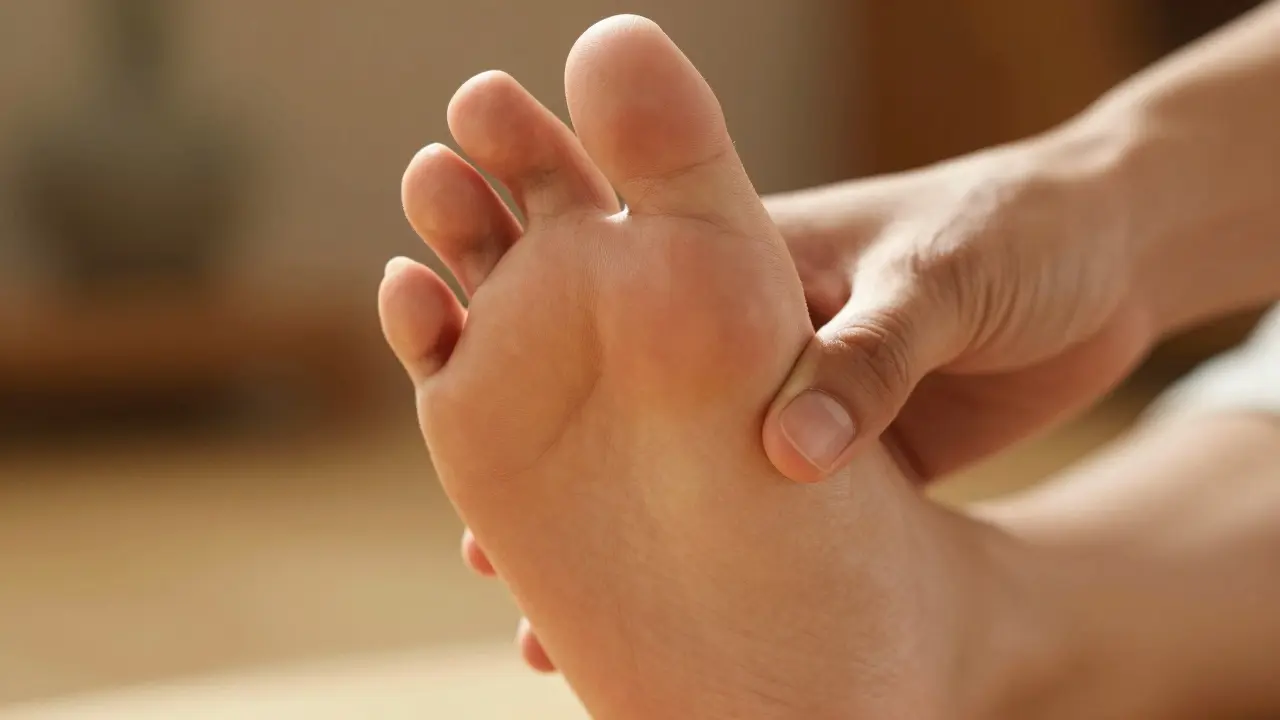
By combining them, you get a double benefit. First, the yoga pose stretches the tissue, making the underlying acupressure point more accessible. Second, applying pressure to that point while stretched amplifies the release. For example, when you’re in a forward fold, your hamstrings are lengthened. If you press into the Yongquan point on the sole of your foot during this stretch, you’re not just relaxing the leg; you’re grounding your energy and calming the kidneys according to traditional Chinese medicine principles. It’s efficient, deep work that respects both Western anatomy and Eastern energetics.
Core Principles for Beginners
Before you start pressing and stretching, there are three non-negotiable rules for practicing acu-yoga safely. These principles ensure you get the benefits without causing injury or irritation.
- Breathe deeply: Never hold your breath while applying pressure. Deep, rhythmic breathing helps the nervous system switch from "fight or flight" to "rest and digest." This makes the pressure feel therapeutic rather than painful.
- Use moderate pressure: Acupressure isn’t about brute force. You want to feel a dull ache or a tingling sensation, not sharp pain. Start light and increase pressure gradually as the muscle relaxes.
- Stay present: Don’t rush through poses. Hold each position for at least 30 seconds to two minutes. This gives the energy time to shift and the tissues time to adapt.
Also, avoid practicing immediately after a heavy meal or when you’re exhausted. Your body needs resources to process the stimulation. A light snack and a rested mind are your best tools.
Five Essential Acu-Yoga Poses for Beginners
You don’t need to be flexible to start. Here are five simple sequences that target common issues like stress, poor digestion, and neck pain. Each sequence includes a yoga pose and a specific acupressure point to focus on.
- The Seated Forward Fold with Spleen 6 (SP6)
Sit on the floor with your legs extended. Inhale to lengthen your spine, then exhale as you hinge forward from your hips, reaching toward your toes. As you settle into the stretch, use your thumbs to press firmly into the inner ankles, about four finger-widths above the ankle bone. This is the SP6 point. It’s famous for relieving nausea, bloating, and menstrual cramps. Holding this pose for one minute can significantly ease digestive discomfort. - Child’s Pose with Third Eye Point (GV24)
Kneel on the floor, sit back on your heels, and fold forward, resting your forehead on the mat. Extend your arms forward or rest them by your sides. While in this resting pose, gently press your index fingers into the center of your forehead, between your eyebrows. This is the Third Eye point. It helps clear mental fog, reduces eye strain, and calms an overactive mind. Perfect for midday resets. - Standing Mountain Pose with Kidney 1 (KI1)
Stand tall with your feet hip-width apart. Distribute your weight evenly across both feet. Close your eyes and bring your awareness to the soles of your feet. Use your hands to massage the deepest part of the arch on each foot. This is the KI1 point. Stimulating this point grounds you, improves balance, and supports kidney health. Do this for 60 seconds before starting your day to feel more centered. - Cat-Cow Stretch with Governor Vessel Points
Come onto your hands and knees. As you arch your back upward (Cat pose), use your fingertips to press along the spine, specifically targeting the vertebrae. Focus on the area between the shoulder blades (GV14) and the base of the skull (GV16). These points help release upper back tension and improve posture. Flowing between Cat and Cow while massaging these points lubricates the spinal joints and relieves stiffness. - Legs-Up-The-Wall with Liver 3 (LV3)
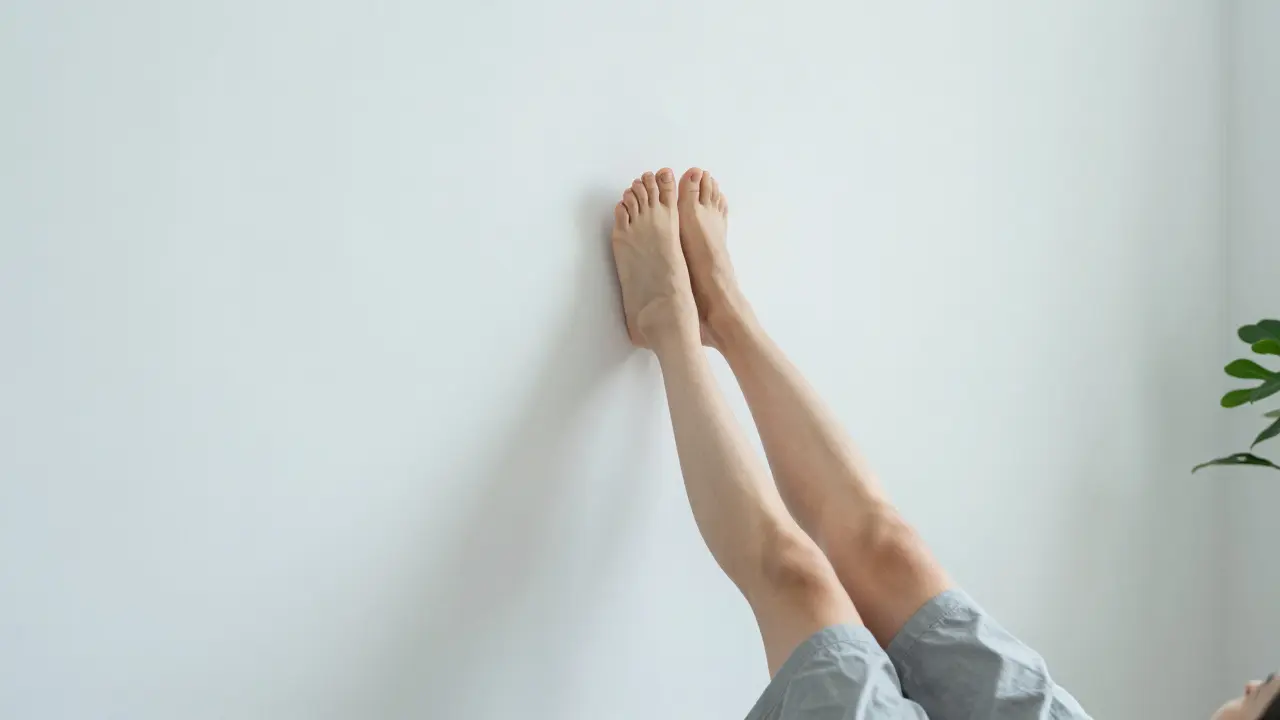
Sit sideways against a wall, then swing your legs up the wall as you lie back on the floor. This inversion promotes venous return and relaxation. Locate the LV3 point on the top of your foot, in the depression between the first and second toes. Gently massage this point with your opposite thumb. It’s excellent for relieving headaches, anger, and irritability. Stay here for five minutes to decompress completely.
Benefits Beyond Flexibility
While improved flexibility is a nice bonus, the real power of acu-yoga lies in its systemic effects. Regular practice can lead to measurable changes in your daily life.
First, it lowers cortisol levels. The combination of physical movement and parasympathetic nervous system activation via acupressure creates a potent anti-stress response. Second, it enhances circulation. Pressing on points like LI4 (located on the back of the hand between the thumb and index finger) stimulates blood flow to the face and brain, giving you a natural glow and sharper focus. Third, it aids in pain management. Chronic conditions like lower back pain, migraines, and arthritis often respond well to consistent stimulation of relevant meridians.
Unlike medication, which masks symptoms, acu-yoga addresses the root cause by restoring balance. It’s proactive health maintenance rather than reactive treatment.
| Feature | Standard Yoga | Acu-Yoga |
|---|---|---|
| Primary Focus | Muscle strength, flexibility, breath control | Energy flow, organ function, meridian clearance |
| Technique | Poses (asanas) and flows | Poses combined with targeted finger pressure |
| Best For | Fitness enthusiasts, general wellness | Stress relief, chronic pain, internal balance |
| Learning Curve | Moderate (requires body awareness) | Low to Moderate (requires learning point locations) |
| Time Commitment | 20-60 minutes per session | 10-30 minutes per session (highly efficient) |
Safety Precautions and Contraindications
While acu-yoga is generally safe, it’s not suitable for everyone in every situation. Knowing when to skip a session is just as important as knowing how to do it.
Avoid strong acupressure if you are pregnant, especially on points like LI4 and SP6, which can stimulate uterine contractions. Consult your healthcare provider before starting if you have osteoporosis, as certain poses may put stress on fragile bones. If you have open wounds, infections, or recent surgeries near the acupressure points, skip those areas entirely.
Also, listen to your body. If a point feels excessively tender or causes dizziness, stop immediately. This doesn’t mean you did something wrong; it means your body is signaling that it’s not ready for that level of stimulation yet. Hydrate well after sessions to help flush out metabolic waste released during the practice.
Building a Daily Routine
Consistency beats intensity. You don’t need an hour-long session to see results. Start with five minutes a day. Choose one pose and one point that addresses your current biggest issue-whether it’s morning stiffness, afternoon fatigue, or evening anxiety.
Create a cue. Maybe it’s right after you brush your teeth in the morning, or right before you shower at night. Linking the practice to an existing habit makes it stick. Over time, you’ll build a personalized repertoire of go-to sequences. Keep a journal to track which combinations work best for you. Your body is unique, and your ideal routine will evolve as your needs change.
Is acu-yoga difficult for beginners?
Not at all. The basic poses used in acu-yoga are often simple seated or standing positions. The main challenge is learning where the acupressure points are located. Start with just two or three key points, like the Third Eye or Yongquan, and master those before adding more complexity. With a few weeks of practice, locating the points becomes second nature.
How long does it take to feel the benefits of acu-yoga?
Many people feel immediate relaxation and reduced tension after their first session. However, for chronic issues like persistent back pain or high stress levels, it typically takes two to four weeks of consistent daily practice to notice significant, lasting changes. Think of it as building a new habit for your body.
Can I practice acu-yoga if I’m not flexible?
Absolutely. Flexibility is not a prerequisite. In fact, acu-yoga can help improve flexibility over time because the acupressure releases deep muscular tension that prevents stretching. Modify the poses to fit your current range of motion. The goal is comfort and connection, not achieving perfect form.
What should I wear for acu-yoga?
Wear loose, comfortable clothing that allows free movement. Since you’ll be using your hands to apply pressure to various parts of your body, avoid bulky layers that might interfere with your access to acupressure points. Barefoot practice is recommended to enhance grounding and sensitivity in the feet.
Are there any risks associated with acu-yoga?
When practiced correctly, acu-yoga is very safe. The main risks involve improper pressure causing bruising or aggravating existing injuries. Pregnant women should avoid certain points. Always consult a doctor if you have serious medical conditions. If you feel sharp pain, dizziness, or nausea, stop immediately and rest.
 Health and Wellness