
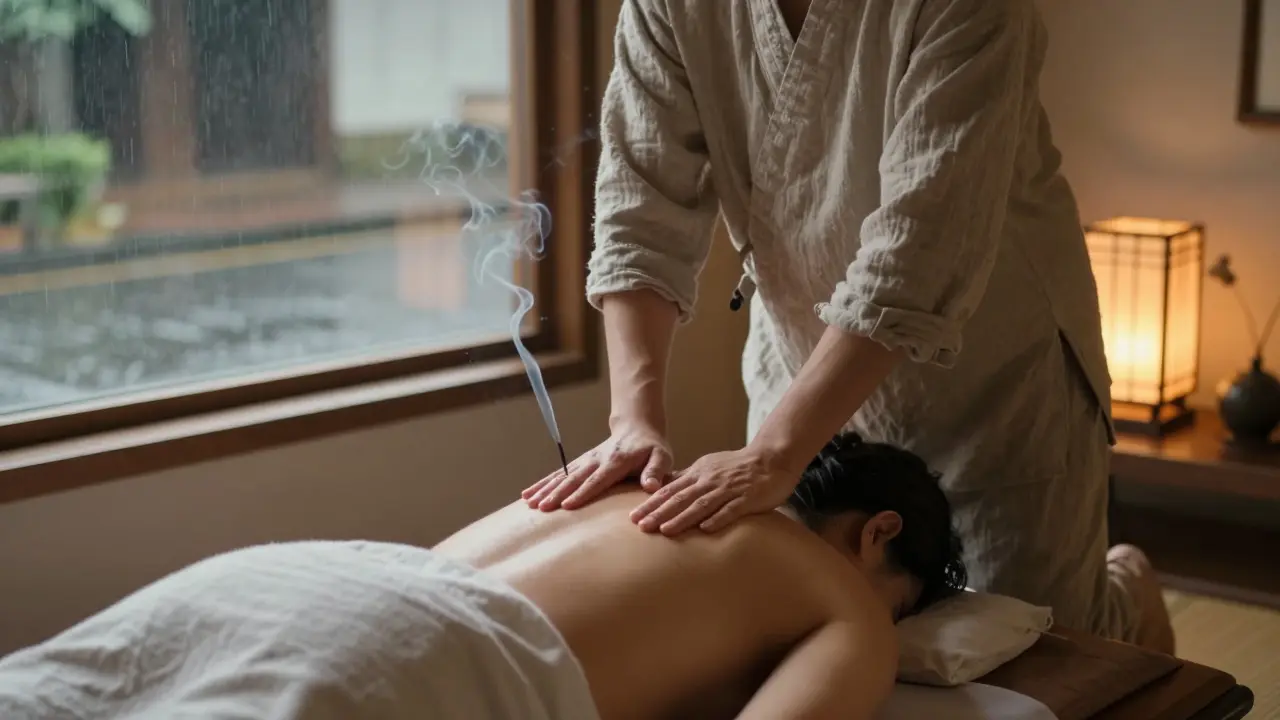
Have you ever sat down after a long day and just wished someone could take the weight off your shoulders-literally? Not with a quick rub, but with something deeper, slower, and more intentional? That’s what Amma massage offers. It’s not just another type of bodywork. It’s a centuries-old practice rooted in Chinese medicine, passed down through generations, and still practiced today in quiet clinics and homes across Asia-and now, in places like Sydney, where people are hungry for real relaxation, not just a quick fix.
What Exactly Is Amma Massage?
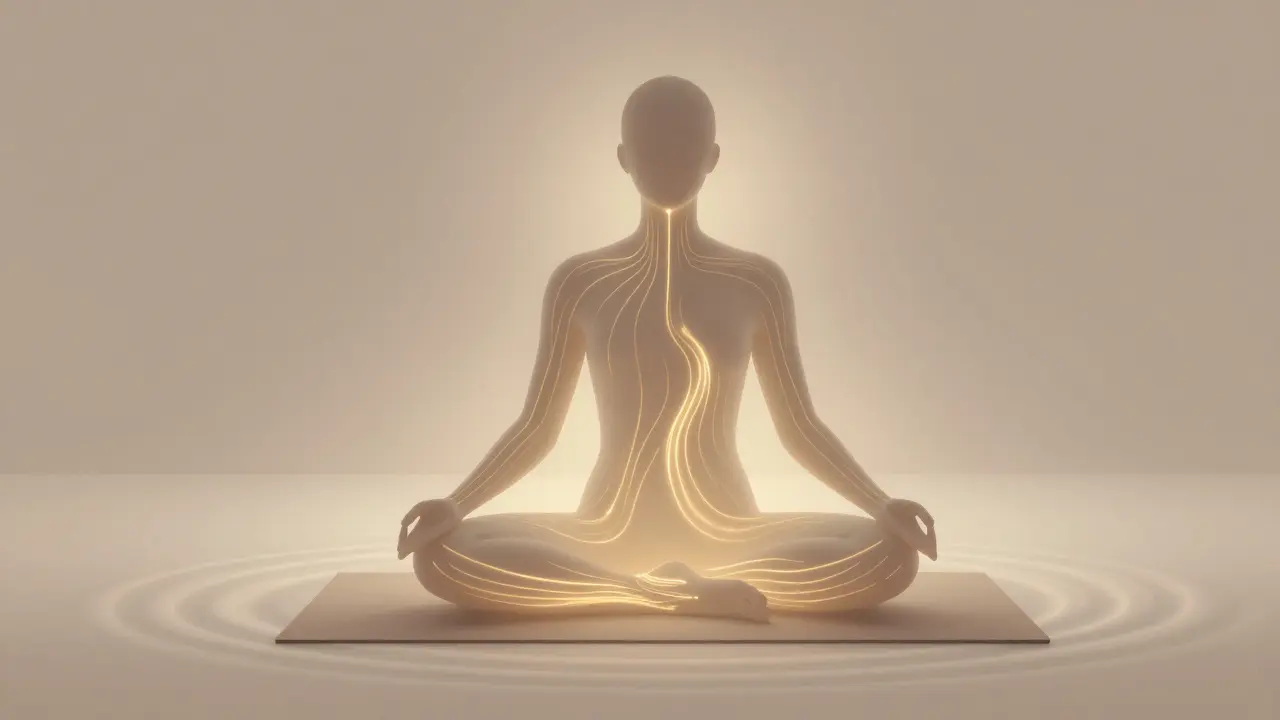
Amma massage, sometimes spelled Amma or Anma, comes from Japan and China. The name itself is a combination of two Chinese characters: an (press) and ma (rub). Together, they describe the core technique: pressing and rubbing along energy pathways. Unlike Swedish massage, which focuses on muscle relaxation, Amma works on the body’s meridians-the invisible channels that carry qi, or life energy. Blockages in these pathways are believed to cause pain, fatigue, and even illness. Amma massage clears them.
Practitioners use their fingers, thumbs, palms, and sometimes elbows to apply rhythmic pressure. No oils are used. You stay fully clothed. The session usually lasts 45 to 60 minutes and targets key points along the arms, legs, back, neck, and head. It’s not about deep tissue pain-it’s about finding the right balance between firmness and ease. If it hurts too much, it’s not working. If it feels too light, it’s not doing enough.
How It’s Different From Other Massages
Think of Amma as the quiet cousin of acupuncture. Instead of needles, you get hands. Instead of a clinic, you might find it in a cozy room with incense and soft music. Here’s how it stacks up against other popular types:
| Feature | Amma Massage | Swedish Massage | Thai Massage | Shiatsu |
|---|---|---|---|---|
| Clothing | Fully clothed | Nude under towel | Clothed | Clothed |
| Technique | Pressing, rubbing, tapping | Long strokes, kneading | Stretching, yoga-like moves | Pressure on acupoints |
| Focus | Energy flow (qi) | Relaxation | Flexibility and energy | Meridians and points |
| Oils Used | No | Yes | No | No |
| Origin | China/Japan | Europe | Thailand | Japan |
Amma doesn’t try to stretch you like Thai massage. It doesn’t rely on oils like Swedish. And while it shares similarities with Shiatsu, Amma is more rhythmic, more flowing. It’s less about hitting exact points and more about creating a wave of relaxation that moves through your whole body.
Why It Works: The Science Behind the Tradition
People used to think this was all superstition. But modern studies are catching up. A 2023 review in the Journal of Traditional and Complementary Medicine found that participants who received regular Amma sessions reported a 42% reduction in chronic stress markers over eight weeks. Cortisol levels dropped. Heart rate variability improved. Sleep quality went up.
Why? Because pressure on acupressure points triggers the parasympathetic nervous system-the part of your brain that says, “It’s safe to relax now.” This isn’t magic. It’s biology. When your thumbs press into the space between your thumb and index finger (a well-known point called LI4), it sends signals to your brain that calm the fight-or-flight response. Same goes for points along the spine, the base of the skull, and the soles of the feet.
And unlike drugs or meditation, Amma doesn’t require you to change your mindset. You just lie there. Let your body be touched. And slowly, without even trying, you start to unwind.
What You Can Expect in a Session
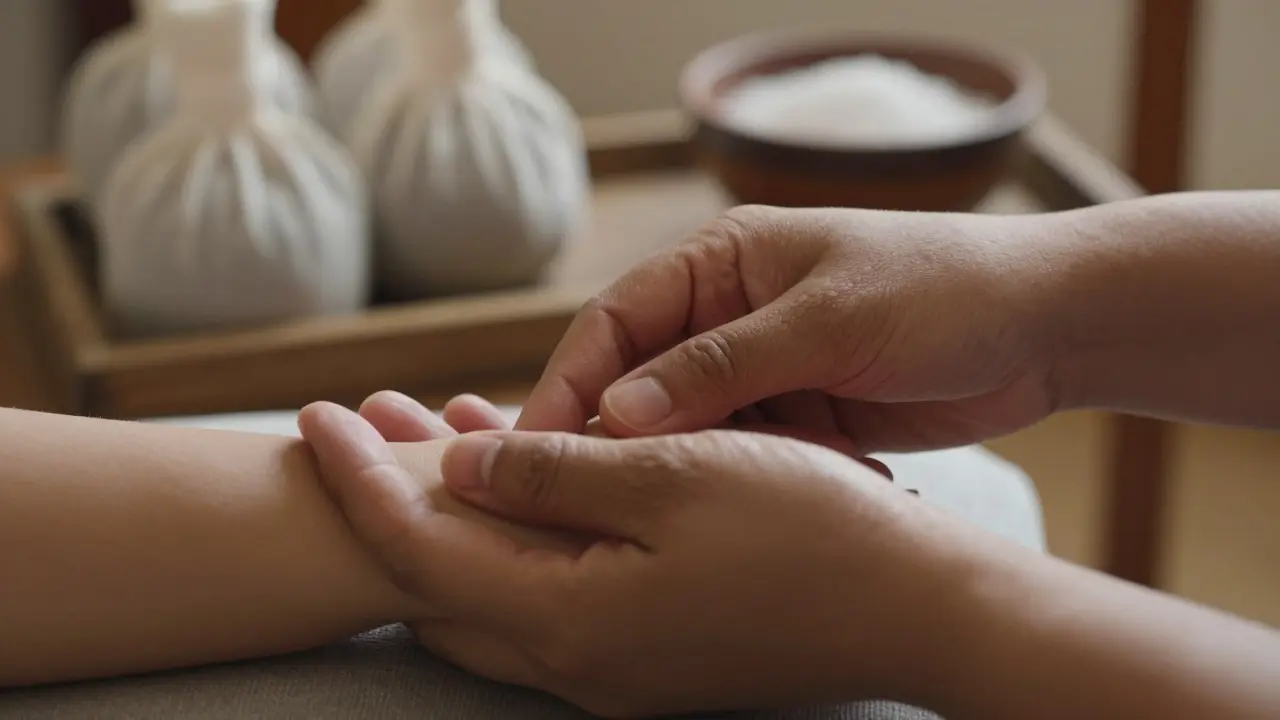
Most Amma sessions start with a short chat. The therapist asks about your sleep, your stress levels, any pain you’ve been carrying. They don’t need a medical history-just a sense of where you’re at. Then you sit or lie down on a low table or mat, fully dressed in loose clothing. No need to change into a gown.
The therapist begins with your feet. Slow, deliberate pressure. Then up the legs, along the spine, over the shoulders, into the neck, and finally the head. You might feel warmth spreading where they press. A tingling sensation. Maybe a sigh you didn’t know you were holding in.
Some people feel emotional. That’s normal. Amma doesn’t just release tension in muscles-it releases stored emotion. A woman in her 50s I spoke to in Paddington told me she cried halfway through her first session. “I didn’t know I was holding onto grief,” she said. “It just came out.”
Afterward, you might feel a little dizzy. Drink water. Sit quietly. Don’t rush into your next meeting. Your body is still adjusting. The effects last hours, sometimes days.
Who Benefits Most?
Amma isn’t for everyone. But if you’re one of these people, it might be exactly what you need:
- You’re chronically stressed and tired, even after a full night’s sleep
- You get tension headaches or stiff shoulders from sitting at a desk
- You’ve tried yoga or meditation but can’t quiet your mind
- You dislike the idea of being naked during a massage
- You’re drawn to holistic, non-pharmaceutical approaches to wellness
It’s also safe for most people, including pregnant women (with modifications), older adults, and those with mild chronic pain. But avoid it if you have open wounds, recent surgery, or severe osteoporosis. Always tell your therapist about any health condition.
Where to Find It in Australia
In Sydney, Amma massage is still rare-but growing. You won’t find it in big spas. Look for small wellness centers run by practitioners trained in traditional Asian medicine. Places like Harmony Bodywork in Surry Hills or Green Lotus Therapies in Newtown specialize in this. Some therapists even offer home visits.
Ask if they’re certified in Chinese Meridian Therapy or Japanese Anma. Don’t settle for someone who just calls it “deep tissue” or “energy work.” Real Amma has structure, rhythm, and intention.
The Gift It Gives
Amma massage isn’t about luxury. It’s about return. Return to your body. Return to calm. Return to the quiet space between breaths.
In a world that’s always pushing-faster, louder, more-Amma asks you to slow down. To let someone else hold the weight. To trust that healing doesn’t always need to be loud. Sometimes, it’s just hands. Quiet hands. Patient hands. The kind that remember how to listen.
Is Amma massage the same as Shiatsu?
No, though they’re related. Both use pressure on energy pathways, but Shiatsu is more focused on precise acupressure points and often follows a set sequence. Amma is more fluid, rhythmic, and less rigid. It’s also traditionally done with the person fully clothed, while Shiatsu can sometimes involve light stretching. Amma feels more like a wave; Shiatsu feels more like targeted pulses.
Do I need to prepare for an Amma session?
Not much. Wear loose, comfortable clothing. Avoid heavy meals right before. Drink water afterward. No special prep is needed. If you’re nervous, just tell your therapist-you’ll be guided gently through the whole process.
How often should I get Amma massage?
For stress relief, once a month is a good start. If you’re dealing with chronic tension, headaches, or insomnia, try once every two weeks for 4-6 weeks, then ease back. Like exercise, consistency matters more than intensity. Many people find they need less frequent sessions over time as their body learns to stay balanced.
Can Amma massage help with anxiety?
Yes. A 2024 study from the University of Sydney’s School of Health Sciences tracked 87 adults with moderate anxiety over 12 weeks. Those who received weekly Amma sessions showed a 37% greater reduction in anxiety symptoms compared to a control group. The effect was strongest in people who combined it with regular breathing exercises. It doesn’t replace therapy, but it supports it.
Is Amma massage painful?
It shouldn’t be. You might feel some discomfort in areas where tension is stored-like tight shoulders or a stiff neck-but it should never feel sharp or unbearable. A good therapist adjusts pressure to your comfort level. If it hurts too much, speak up. Real healing doesn’t require pain.
If you’ve been looking for something that doesn’t just mask stress but truly unwinds it, Amma massage might be the quiet gift you didn’t know you needed.
 Health and Wellness