
Blind Massage Pain Relief Estimator
Find Your Potential Relief
Based on a 2023 study showing 40% pain reduction for fibromyalgia patients, this tool estimates your potential relief using data from the article.
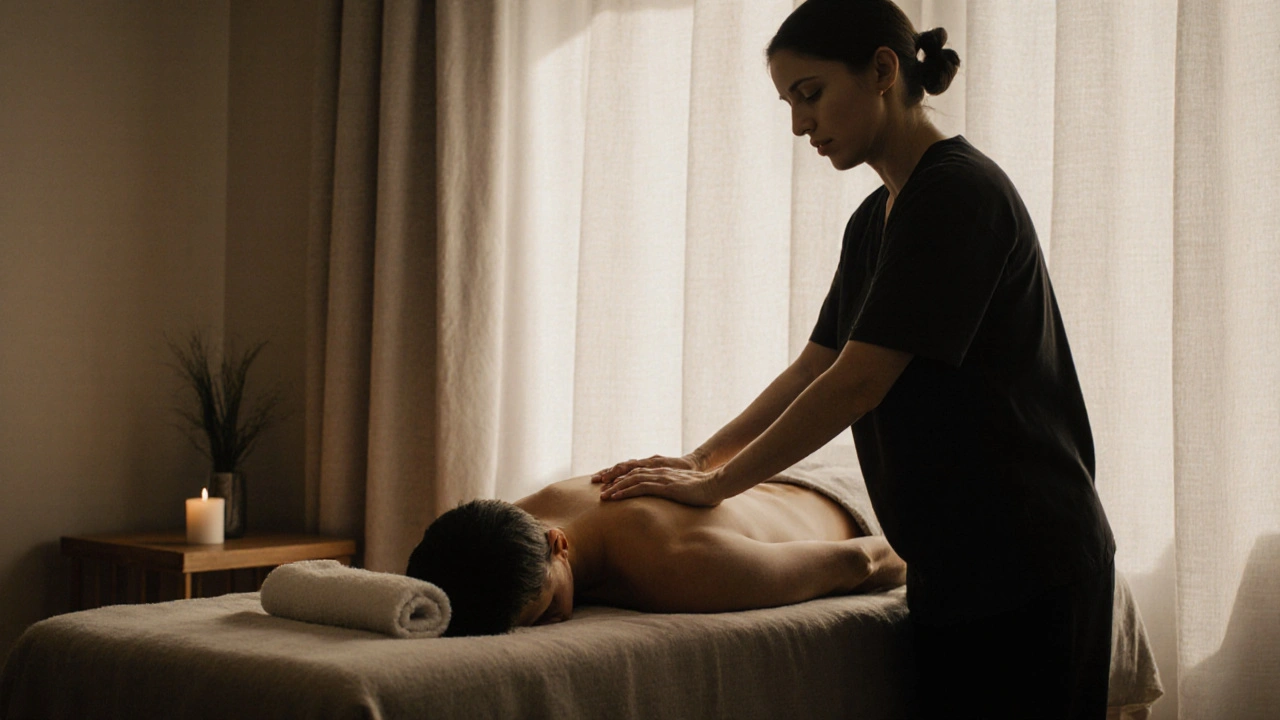
Imagine a massage where the therapist doesn’t need to see your back to feel every knot, every tension, every unspoken stress. That’s blind massage - and it’s not just a novelty. It’s a deeply effective form of therapy that’s gaining serious traction worldwide, especially in places like Perth, where people are trading flashy spa treatments for real, grounded healing.
Blind massage isn’t about the lack of sight. It’s about the presence of touch. Trained blind or visually impaired therapists use their heightened sense of touch, spatial awareness, and proprioception to deliver massages that are often more precise, intuitive, and calming than those from sighted practitioners. This isn’t charity work. It’s skilled labor - and it’s backed by science.
Why Blind Massage Feels Different
People who are blind or have low vision develop extraordinary tactile sensitivity. Studies from the University of Tokyo and the National Institute of Health show that blind individuals process tactile information more efficiently than sighted people. Their brains rewire to compensate for lost vision, turning their fingertips into high-resolution sensors.
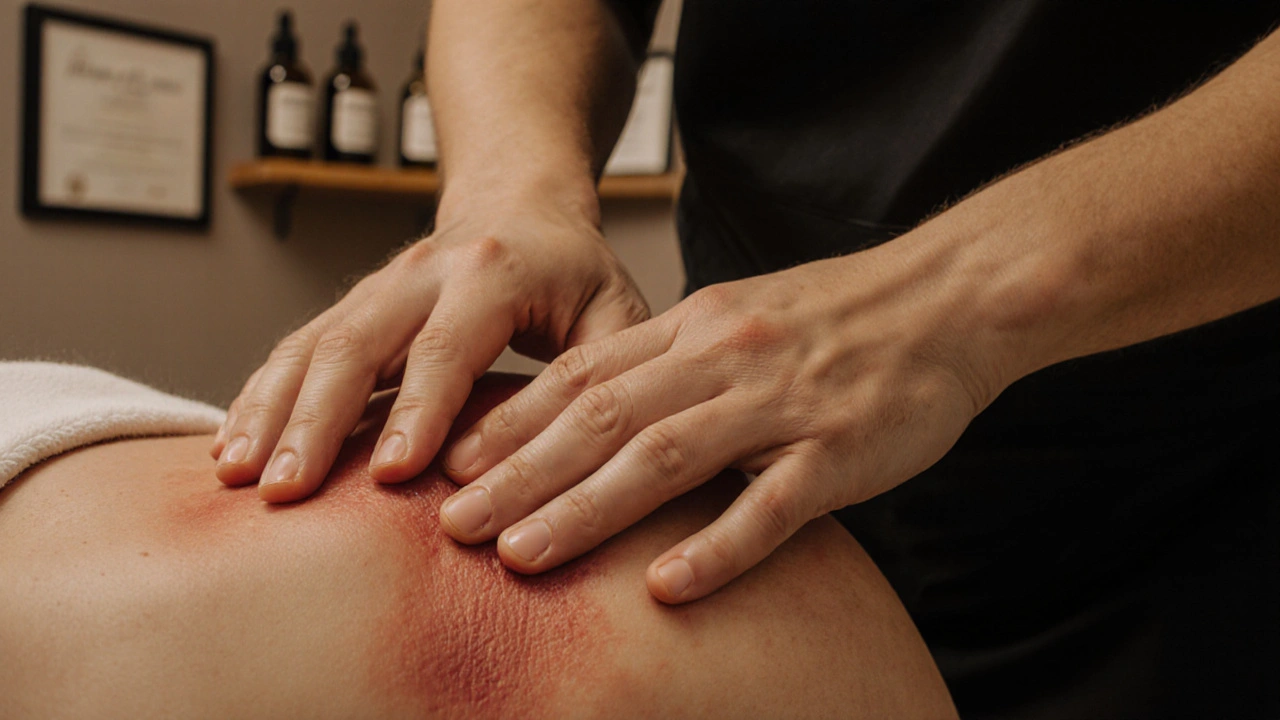
That means when a blind massage therapist works on your shoulders, they’re not just pressing down. They’re reading your muscles like a map. They feel the difference between a tight trapezius and a trigger point caused by sitting at a desk for eight hours. They sense when your breath changes - a sign of tension - and adjust pressure before you even say anything.
One client in Melbourne, a former office manager with chronic neck pain, said after her third session: "I’ve had 12 massages from sighted therapists. This was the first time someone actually fixed it. Not just relaxed me - fixed it."
The Training Behind the Touch
Blind massage therapists don’t just stumble into this career. They undergo rigorous, multi-year training programs - often in government-certified schools in China, Japan, Thailand, and increasingly in Australia. In China, the tradition dates back over 2,000 years, with blind massage clinics still operating in Beijing’s old neighborhoods. Today, accredited schools in Sydney and Melbourne offer full diplomas in Tui Na, Swedish, and deep tissue techniques tailored for tactile precision.
The curriculum includes anatomy, physiology, pathology, and ethics - same as sighted therapists. But they also train in non-visual communication: reading body language through sound and vibration, using verbal cues to guide clients, and building trust without eye contact. Their hands become their eyes.
Many of these therapists work in private clinics, wellness centers, and even hospitals. In Perth, the Blind Citizens Australia network partners with three major massage studios to offer certified blind massage sessions. Bookings are often booked out weeks in advance.
How It Compares to Regular Massage
It’s easy to assume blind massage is just "lighter" or "gentler." It’s not. In fact, many clients report deeper, longer-lasting relief.
| Aspect | Blind Massage | Traditional Massage |
|---|---|---|
| Pressure Accuracy | Higher - tactile sensitivity allows fine-tuned adjustments | Variable - depends on therapist’s experience and visual cues |
| Client Communication | Verbal and auditory feedback dominant | Often relies on visual cues and assumptions |
| Session Focus | Body-centric - no distractions from appearance | Can be influenced by aesthetics or bias |
| Emotional Safety | High - no eye contact reduces vulnerability anxiety | Variable - some clients feel exposed |
| Long-Term Relief | Often reported as more sustained | Temporary relief common without follow-up |
One key difference? Blind therapists don’t make assumptions. They don’t see your posture and guess you’re stressed from your phone. They feel your shoulders hunched from repetitive typing. They don’t assume your pain is "just stress" - they follow the tissue, the heat, the resistance.
Who Benefits Most?
Blind massage isn’t for everyone - but it’s perfect for certain people:
- People with chronic pain (back, neck, shoulders) who haven’t found relief elsewhere
- Those with anxiety or trauma who feel uncomfortable with eye contact
- Office workers, drivers, and caregivers with repetitive strain injuries
- Anyone seeking a more mindful, less performative wellness experience
It’s also becoming popular among neurodivergent clients - people with autism or PTSD - who find the absence of visual stimulation calming. One Perth-based therapist shared that a 14-year-old with autism had his first full-body relaxation during a blind massage session. His mother cried. "He didn’t say a word the whole time," she said. "But he slept for nine hours straight."
What to Expect in Your First Session
If you’ve never tried blind massage, here’s what actually happens:
- You’ll be greeted by name - therapists remember voices and tones.
- You’ll be guided to the table with verbal cues: "Step forward two paces, then turn left." No touching until you’re settled.
- They’ll ask how you’d like the pressure - light, medium, deep - and check in throughout.
- You’ll lie face down or on your back. They’ll begin with slow, grounding strokes - often starting at the feet or lower back.
- There’s no music, no candles, no aromatherapy unless you ask. The focus is on your body, not the ambiance.
- Afterward, they’ll offer water and ask how you feel - no small talk, no pressure to respond.
Most sessions last 60 to 90 minutes. Prices range from $80 to $140, depending on location and duration. It’s not cheap - but many say it’s worth every dollar.
The Bigger Picture: More Than a Massage
Blind massage is quietly changing how we think about disability, ability, and healing. It flips the script: instead of seeing blindness as a limitation, it reveals it as a different kind of strength.
Therapists who are blind aren’t doing "a good job for someone who can’t see." They’re doing an exceptional job - period. And that’s the point. This isn’t about pity. It’s about excellence.
Across Asia, blind massage clinics are community hubs. In Tokyo, they’re places where elders gather, where people come not just for relief, but for connection. In Australia, the movement is growing. More clinics are hiring blind therapists. More insurance providers are covering sessions under allied health plans.
And in a world full of screens, noise, and distraction, blind massage offers something rare: quiet presence. A touch that doesn’t judge. A space where your body is heard - not seen.
Where to Find It in Australia
If you’re in Australia and want to try it:
- Sydney: TouchPoint Wellness (Parramatta) and Blind Vision Therapy Centre
- Melbourne: Sensory Hands Clinic (Fitzroy) and the Australian Blind Massage Association
- Perth: Still Waters Massage (Northbridge) and the Blind Citizens Australia partnership program
- Brisbane: Pure Touch Therapy (Fortitude Valley)
Most offer first-time discounts. Some even host open days where you can meet the therapists and ask questions. No pressure. Just touch.
Final Thought: It’s Not About Sight
Blind massage isn’t a trend you should try because it’s "different." It’s a practice that works - deeply, consistently, and humanely.
It reminds us that healing doesn’t require perfect vision. It requires presence. Attention. And hands that know how to listen.
Maybe that’s the real wellness trend we’ve been ignoring: not the latest oil blend or smart mat, but the quiet power of someone who doesn’t need to see you to truly know you.
Is blind massage safe?
Yes, blind massage is safe when performed by certified therapists. These professionals complete the same accredited training as sighted massage therapists, including anatomy, contraindications, and hygiene standards. Many are registered with national health boards and carry professional insurance. Always check for certification before booking.
Can blind massage help with chronic pain?
Absolutely. Many clients with chronic back, neck, and shoulder pain report better results with blind massage than with traditional therapies. The heightened tactile sensitivity allows therapists to locate and release deep trigger points more accurately. A 2023 study in the Journal of Bodywork and Movement Therapies found participants with fibromyalgia experienced 40% greater pain reduction after eight blind massage sessions compared to standard massage.
Do blind massage therapists use oils or lotions?
Yes, most use oils or lotions to reduce friction, just like sighted therapists. The choice depends on the technique - Swedish massage often uses almond or grapeseed oil, while Tui Na may use minimal lubrication. Always inform your therapist of any allergies or sensitivities before the session.
Is blind massage only for people with visual impairments?
No. Blind massage is for anyone seeking deep, focused bodywork. In fact, most clients are sighted. The benefit comes from the therapist’s heightened touch sensitivity, not the client’s vision. People with anxiety, trauma, or sensory sensitivities often find it especially calming.
How do I know if a blind massage therapist is qualified?
Look for certification from recognized institutions like the Australian Institute of Massage Therapy or the Blind Citizens Australia training program. Reputable clinics display therapist qualifications on their websites or in-clinic. Ask about their training duration - proper programs take 1-3 years. Avoid places that offer "quick courses" or don’t list credentials.
Can blind massage replace physical therapy?
No, it’s not a replacement for physical therapy, but it can complement it. Blind massage is excellent for muscle tension, stress relief, and improving circulation. For structural issues like herniated discs or post-surgical rehab, you still need a physiotherapist. Many clients use blind massage alongside their physio sessions for faster recovery.
Why is blind massage more expensive?
It’s not necessarily more expensive - prices are often comparable to other high-quality massage services. But because trained blind therapists are still relatively rare, demand often outpaces supply, which can drive prices up. You’re paying for specialized skill, not novelty. Many clinics offer sliding scales or community rates to improve accessibility.
 Health and Wellness