
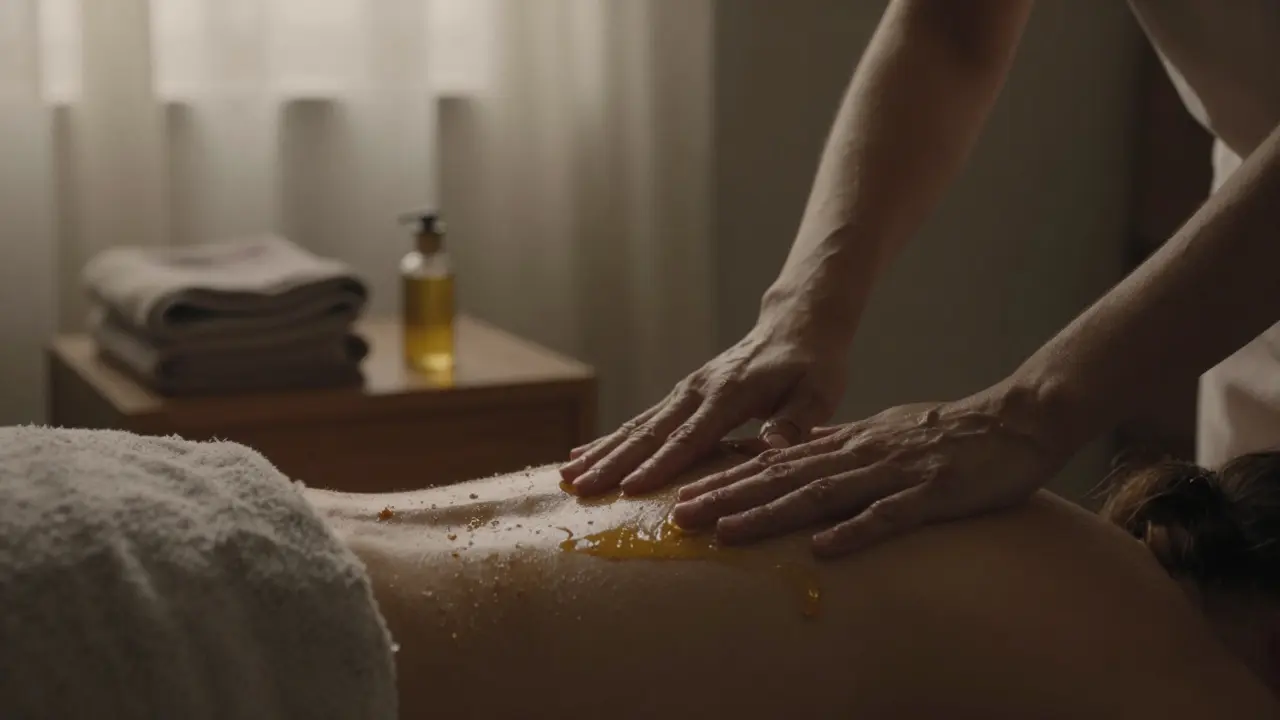
Most people think of massage as just a way to ease sore muscles. But there’s another kind-slower, deeper, more intentional-that doesn’t just loosen your shoulders, it unwinds your whole nervous system. This is sensual massage. Not sexual. Not erotic. Not about climax. It’s about presence. About skin meeting skin with care. About breath syncing with touch. And it’s one of the most powerful ways to reset your body and mind in a world that never stops demanding more from you.
What Makes Sensual Massage Different?
Sensual massage is built on the idea that touch, when given with attention, becomes medicine. It’s not about pressure points or deep tissue work. It’s about rhythm. About the warmth of hands gliding over bare skin. About the pause between strokes. About the quiet space where words aren’t needed.
Unlike Swedish or sports massage, which follow set routines, sensual massage flows. It follows the body’s natural curves-the arch of the foot, the slope of the spine, the curve of the hip. The oil isn’t just for slip; it’s part of the ritual. Warm almond or jojoba oil, lightly scented with lavender or vanilla, lets the hands move like water. No rushed motions. No ticking clock.
Studies from the Touch Research Institute at the University of Miami show that slow, deliberate touch lowers cortisol by up to 31% and increases serotonin and dopamine. That’s not just feeling good-it’s biological recalibration. Your heart rate slows. Your breathing deepens. Your mind stops racing. This isn’t fantasy. It’s neuroscience.
How to Give a Sensual Massage (Without Crossing Lines)
You don’t need to be a professional to give this kind of touch. But you do need to be clear-with yourself and the other person.
Start with consent. Not just a yes or no. Ask: “Would you be open to a slow, full-body massage tonight-just for relaxation, no pressure?” Let silence sit after you ask. Let them decide without rush.
Set the space. Dim lights. Soft music-no lyrics. A blanket warmed in the dryer. A cup of herbal tea nearby. Turn off phones. This isn’t a task. It’s an experience.
Begin with the feet. They hold so much tension. Use your thumbs in slow circles, starting at the heel, moving to the ball, then each toe. Feel the skin. Notice where it’s tight. Don’t push. Just melt into it. Move up the calves, then the thighs. Let your hands rest for a few seconds on the hips before continuing. Let the receiver breathe. Don’t rush the silence.
When you reach the back, use the full palm, not just fingers. Long strokes from neck to tailbone. Then switch to light, feather-like circles along the shoulder blades. If they sigh, you’re on the right track. If they tense, pause. Ask: “Too much?” Always ask.
Never assume. No touching the genitals. No kissing. No expectation of anything in return. This isn’t foreplay. It’s a gift. A quiet act of love that asks for nothing but presence.
Why This Works Better Than a Hot Bath or Meditation
Meditation asks you to quiet your mind. A hot bath lets your body relax. But sensual massage does both at once-by engaging the parasympathetic nervous system directly through touch.
When someone touches you with care, your brain releases oxytocin-the bonding hormone. It’s the same chemical that floods your body when you hug a loved one or hold a newborn. But here’s the catch: you don’t need to be in a romantic relationship to feel this. Friends, partners, even trained therapists can create this effect. The key is intention.
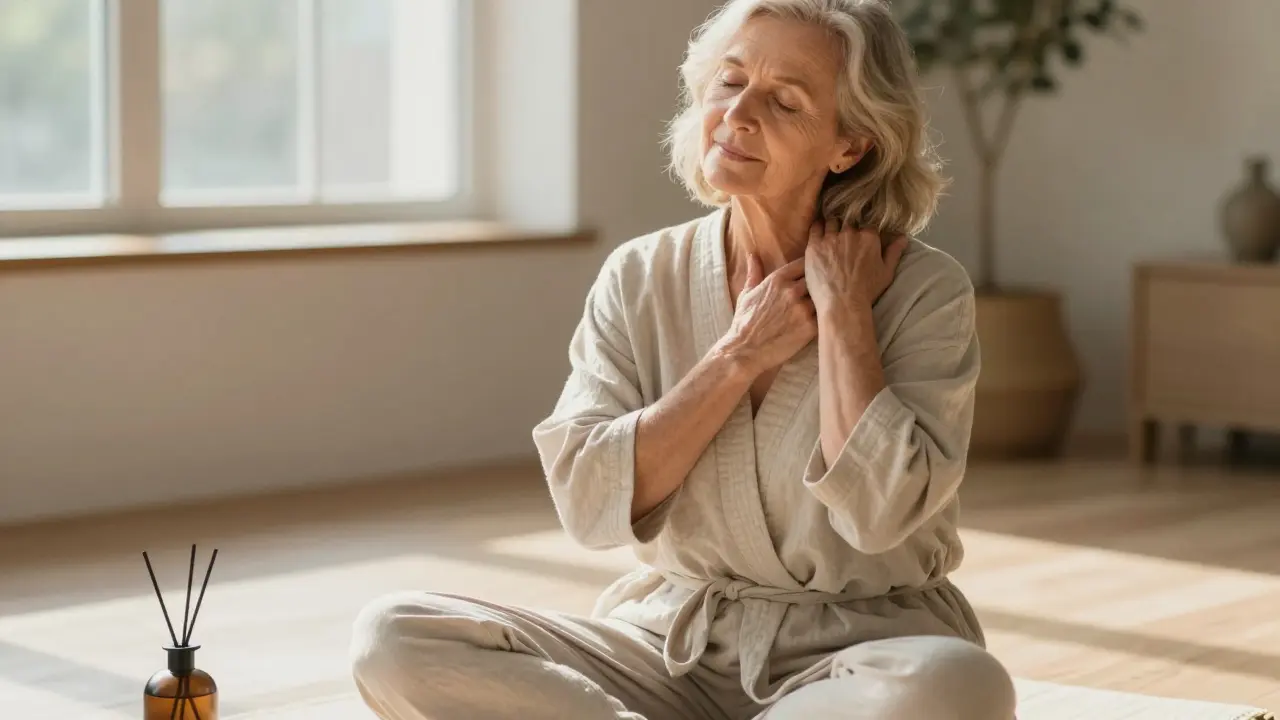
Try this: After a long day, sit alone with your hands on your own chest. Breathe. Press gently. You’ll feel warmth. A softening. That’s the same mechanism at work. But when someone else does it? The effect multiplies. Your brain doesn’t just relax. It feels safe.
One woman I spoke with-Sarah, 42, a nurse working 12-hour shifts-started giving herself 10-minute sensual massages after work. She used coconut oil and played jazz. Within two weeks, her chronic headaches disappeared. She didn’t change her diet. She didn’t take supplements. She just touched herself slowly, with kindness. That’s the power of this technique.

Common Mistakes People Make
Most people try sensual massage and fail-not because they’re bad at it, but because they misunderstand it.
- Mistake 1: Thinking it’s about pleasure. It’s not. It’s about release. If you’re focused on how the other person reacts, you’re not present. You’re performing.
- Mistake 2: Using too much pressure. Sensual massage isn’t about breaking knots. It’s about dissolving them. Light touch, slow rhythm, deep effect.
- Mistake 3: Skipping the setup. You can’t rush into this. If the room is cold, the lights are bright, or your phone buzzes, the magic breaks.
- Mistake 4: Expecting a response. If the person falls asleep? Good. If they cry? That’s okay too. If they say nothing? That’s the point. This isn’t performance. It’s surrender.
One man told me he gave his wife a sensual massage after 15 years of marriage. She didn’t say a word. She just cried. Later, she said: “I forgot what it felt like to be held without needing something from me.” That’s the real goal.
Who Benefits Most From This?
You don’t have to be in a relationship to benefit. You don’t even need another person.
People with chronic stress-teachers, caregivers, first responders-find this technique life-changing. It’s not a substitute for therapy, but it’s a daily reset button. People recovering from trauma often find this form of touch helps rebuild trust in their bodies. Older adults, especially those who live alone, report feeling less isolated after receiving gentle touch from a trained therapist or even a friend.
And yes-it works for couples too. But not because it’s romantic. Because it’s real. In a world of texts, notifications, and distractions, this is one of the few things left that asks for nothing but your full attention. No screens. No agenda. Just two people, breathing together.
What You’ll Need
You don’t need fancy tools. Just a few simple things:
- High-quality carrier oil (almond, jojoba, or grapeseed)
- A soft towel or blanket
- A quiet room with a comfortable surface (bed, floor mat, or massage table)
- Optional: A diffuser with calming scents (lavender, chamomile, sandalwood)
- Optional: Soft, instrumental music (no vocals)
Don’t use coconut oil if the person has sensitive skin. Don’t use synthetic fragrances. Keep it natural. Keep it simple. The oil isn’t the star. The touch is.
How Often Should You Do This?
Once a week is ideal. But even once a month makes a difference. The body remembers touch. It remembers safety. If you can’t find someone to give you a massage, give one to yourself. Lie on your back. Place your hands on your belly. Breathe into them. Slowly move them up your ribs, down your sides, over your hips. It’s not perfect. But it’s enough.
There’s no timer. No checklist. No goal. Just presence. That’s the whole point.
Is sensual massage the same as erotic massage?
No. Sensual massage focuses on deep relaxation and emotional connection through slow, non-sexual touch. It does not involve genital contact, sexual stimulation, or the intent to achieve arousal or orgasm. Erotic massage, by contrast, is designed to lead to sexual pleasure. The intention, boundaries, and technique are fundamentally different.
Can I do sensual massage on myself?
Yes. Self-massage is powerful. Use warm oil and slow, circular motions on your neck, shoulders, arms, and legs. Focus on your breath. Let your hands move like waves. Many people find this helps reduce anxiety, improve sleep, and reconnect with their body after trauma or stress. It’s not about perfection-it’s about presence.
Do I need to be naked for sensual massage?
Not at all. You can be fully clothed, in underwear, or nude-it depends on comfort. The key is that the skin is accessible to the touch. Many people start with clothing on and gradually remove layers as they feel safe. Never pressure anyone to undress. Consent and comfort come first.
How long should a sensual massage last?
There’s no fixed time. A session can be 20 minutes or 90. The goal isn’t duration-it’s depth. Most people find 45 to 60 minutes allows enough time to fully relax. But even 10 minutes of slow, intentional touch can reset your nervous system. Quality matters more than length.
Can sensual massage help with anxiety or depression?
Yes, as a complementary practice. Research shows that consistent, nurturing touch reduces cortisol and increases serotonin, which helps regulate mood. It doesn’t replace therapy or medication, but many people report feeling calmer, more grounded, and less isolated after regular sessions. It’s a tool for emotional regulation, not a cure.
Final Thought: Touch Is a Language
We forget how much we need to be touched. Not in a sexual way. Not in a demanding way. But in a quiet, steady, human way. A hand on your back. Fingers brushing your arm. The warmth of someone near you, not saying a word.
Sensual massage is a return to that. It’s not new. It’s ancient. Humans have been touching each other this way for thousands of years. We just got loud. We got busy. We forgot how to be still.
This isn’t about sex. It’s about safety. About feeling held-not by someone else’s expectations, but by the simple, grounding truth that you are here, and you are not alone.
 Health and Wellness