
The Essentials of Preparation
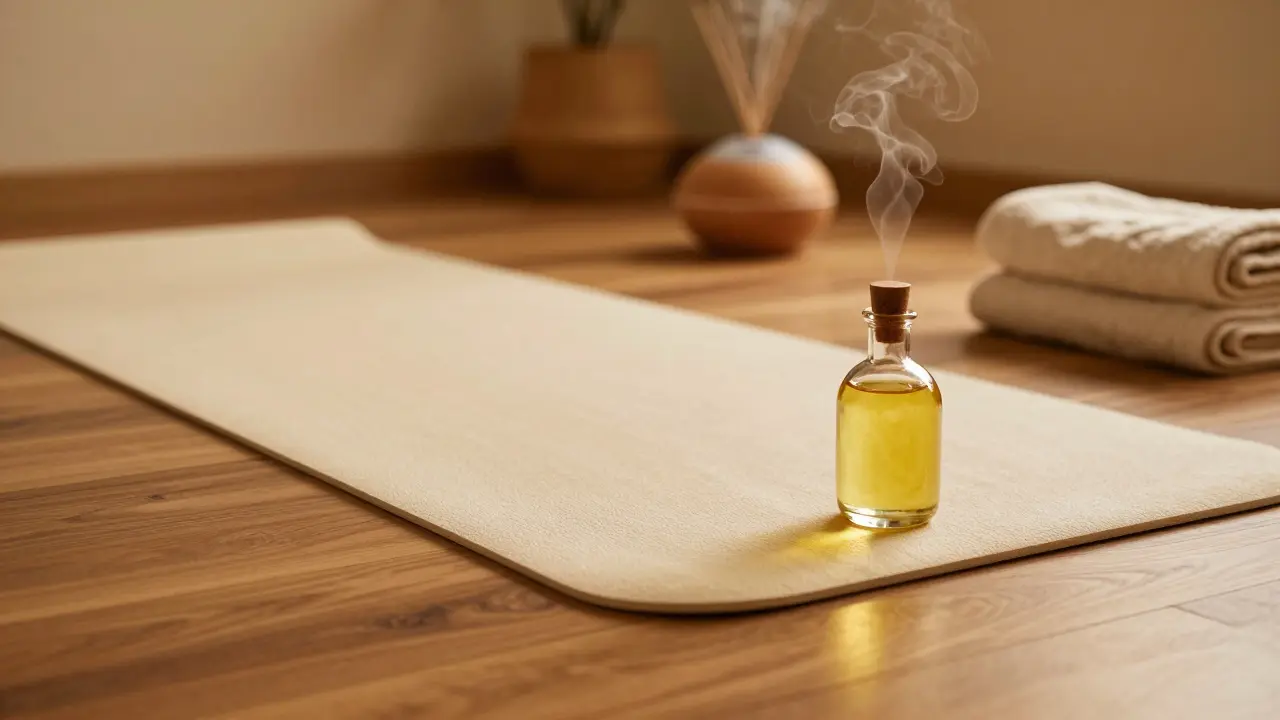
You can't just jump into this without a plan. The environment dictates whether the experience feels therapeutic or clumsy. First, you need a surface that allows for movement. A standard massage table works, but a firm mattress or a thick yoga mat on the floor is often better because the practitioner needs to move around and over the receiver without the table wobbling. Temperature is the next big hurdle. Because there is so much skin contact, the room needs to be warmer than usual-around 75 to 78 degrees Fahrenheit. If the room is chilly, the initial touch can be a shock, which triggers a tension response in the muscles, defeating the purpose of the massage. Then there's the lubrication. You aren't just rubbing a few drops of oil on a wrist here; you are essentially creating a slip-and-slide effect. Use a high-quality, hypoallergenic oil like Sweet Almond Oil or a coconut-based blend. You'll need significantly more than you would for a traditional massage. If the oil is too thin, you'll get friction burn; if it's too thick, the movements feel sluggish. The sweet spot is a generous coating that allows the body to glide effortlessly.Mastering the Gliding Techniques
The magic of this practice lies in the glide. Instead of kneading muscles with fingers, you use the broad planes of your body. Start with the chest and stomach. The practitioner lies prone (face down) on top of the receiver, using their torso to apply a gentle, rhythmic rocking motion. This is often where the deepest sense of relaxation happens because the receiver feels a weight that is supportive rather than crushing. When moving to the legs, use long, sweeping motions. Instead of using hands to push up the calf, the practitioner can use their thighs to slide upward. This distributes the pressure. If you've ever had a deep tissue massage that felt like being poked with a finger, you'll appreciate the difference. Here, the pressure is a broad wave.| Feature | Traditional Massage | Body to Body Massage |
|---|---|---|
| Primary Tool | Hands, Elbows, Thumbs | Torso, Thighs, Arms |
| Pressure Type | Point-specific / Concentrated | Distributed / Surface-level |
| Oil Volume | Moderate | High (Saturation) |
| Focus | Musculoskeletal relief | Sensory and nervous system calm |
Understanding the Sensory Impact
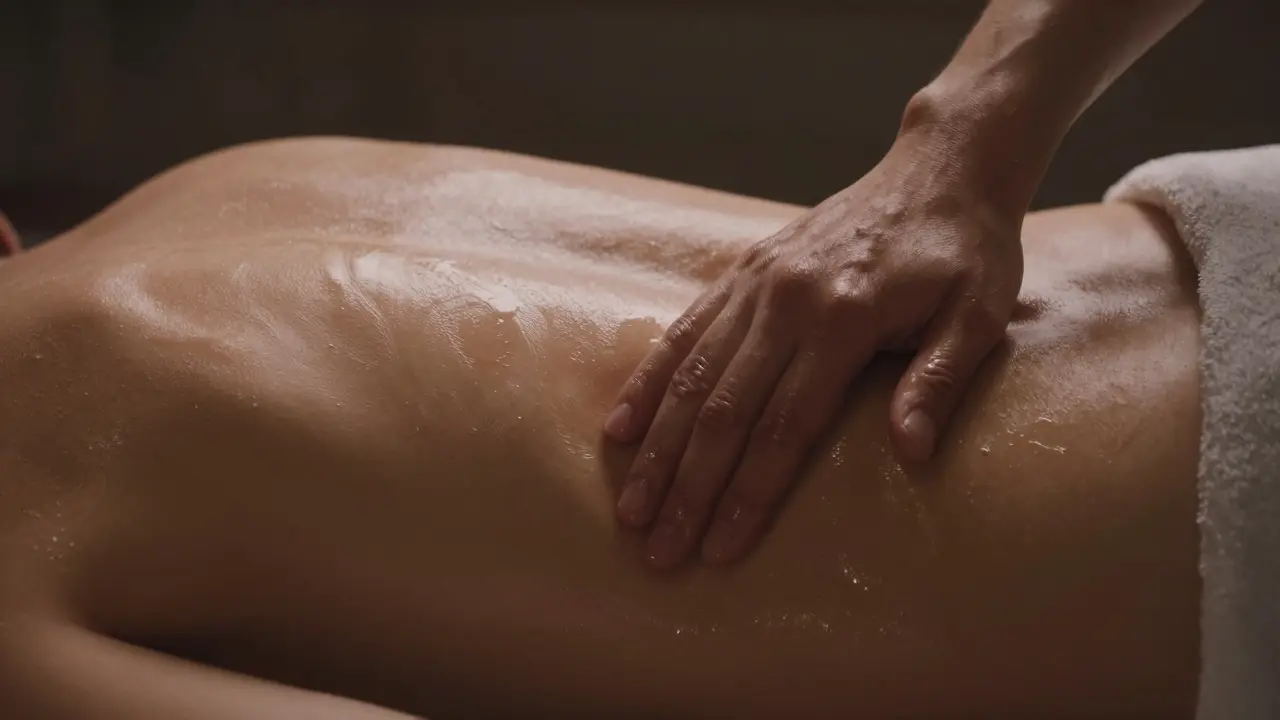
Why go through the effort of using the whole body? It comes down to the nervous system. When we experience large-scale skin-to-skin contact, the brain releases Oxytocin, often called the "cuddle hormone." This doesn't just make you feel good; it actively lowers cortisol levels and slows the heart rate. This technique is particularly effective for people who suffer from sensory overload or high anxiety. The feeling of being "wrapped" in another person's presence creates a psychological sense of safety. It's similar to the effect of a weighted blanket, but with the added benefit of warmth and human interaction. However, you have to be mindful of the boundaries. Because this is such an intimate form of touch, clear communication is non-negotiable. Before starting, discuss exactly which areas are off-limits and what the expected pressure level is. A simple "more pressure" or "too much" goes a long way in maintaining a safe and relaxing atmosphere.Common Pitfalls and How to Avoid Them
One of the biggest mistakes beginners make is forgetting about their own posture. If the practitioner arches their back too much or puts all their weight on a single joint (like a knee), they'll be exhausted within ten minutes. The key is to use your core muscles to shift your weight rather than pushing with your limbs. Imagine you are floating on top of the other person rather than pressing into them. Another common issue is "oil burnout." This happens when the oil is absorbed by the skin halfway through the session, causing the glide to stop. When you feel the friction increase, don't just keep pushing-that leads to skin irritation. Stop, re-apply oil to both the practitioner and the receiver, and then resume. It's better to break the flow for a minute than to cause a rash. Lastly, avoid the "dead weight" trap. Some practitioners simply lie on the receiver and don't move. A massage requires intentionality. Every movement should have a direction and a purpose, whether it's a slow slide from the hips to the shoulders or a gentle oscillation of the torso.
Advanced Flow and Rhythm
Once you've mastered the basic glides, you can start incorporating rhythmic patterns. Instead of linear movements, try circular motions using the hips. This creates a wave-like sensation that can be incredibly soothing for the lower back and pelvic region. Combine this with breathwork. If the practitioner and receiver synchronize their breathing-inhaling together and exhaling as the pressure is applied-the experience moves from a physical act to a meditative one. This synchronization helps the receiver enter a deeper state of parasympathetic dominance, which is the "rest and digest" mode of the nervous system. For those looking to enhance the experience, consider the addition of Aromatherapy. Adding a few drops of lavender or sandalwood oil to the base carrier oil can stimulate the olfactory system, further deepening the relaxation response and making the room feel like a professional sanctuary.Is body to body massage the same as a sensual massage?
Not necessarily. While it is highly intimate due to the skin-to-skin contact, it can be practiced as a purely therapeutic or wellness-focused activity designed to reduce stress and increase oxytocin. The intent-whether it is clinical relaxation or sensual intimacy-depends entirely on the agreement and boundaries set between the participants.
What is the best oil to use for this type of massage?
You want an oil with high "slip" that doesn't absorb too quickly. Fractionated coconut oil or sweet almond oil are excellent choices because they remain on the skin's surface longer, reducing friction and allowing for the smooth gliding motions essential for the body-to-body technique.
Can this massage help with chronic pain?
It is less effective for pinpointing specific trigger points than a deep tissue massage, but it is wonderful for general muscle tension and systemic pain. The broad pressure helps relax the fascia and reduces the overall perception of pain by flooding the system with feel-good hormones.
How do I prevent the practitioner from getting too tired?
The practitioner should focus on shifting their center of gravity rather than using muscle strength to push. By utilizing the weight of their own body and maintaining a fluid, rocking motion, they can sustain the massage for much longer without fatigue.
What should I do if the pressure feels too heavy?
Communication is key. The receiver should speak up immediately. The practitioner can easily adjust the pressure by shifting their weight onto their elbows or knees, or by altering the angle of their body to distribute the weight across a wider area.
 Health and Wellness