
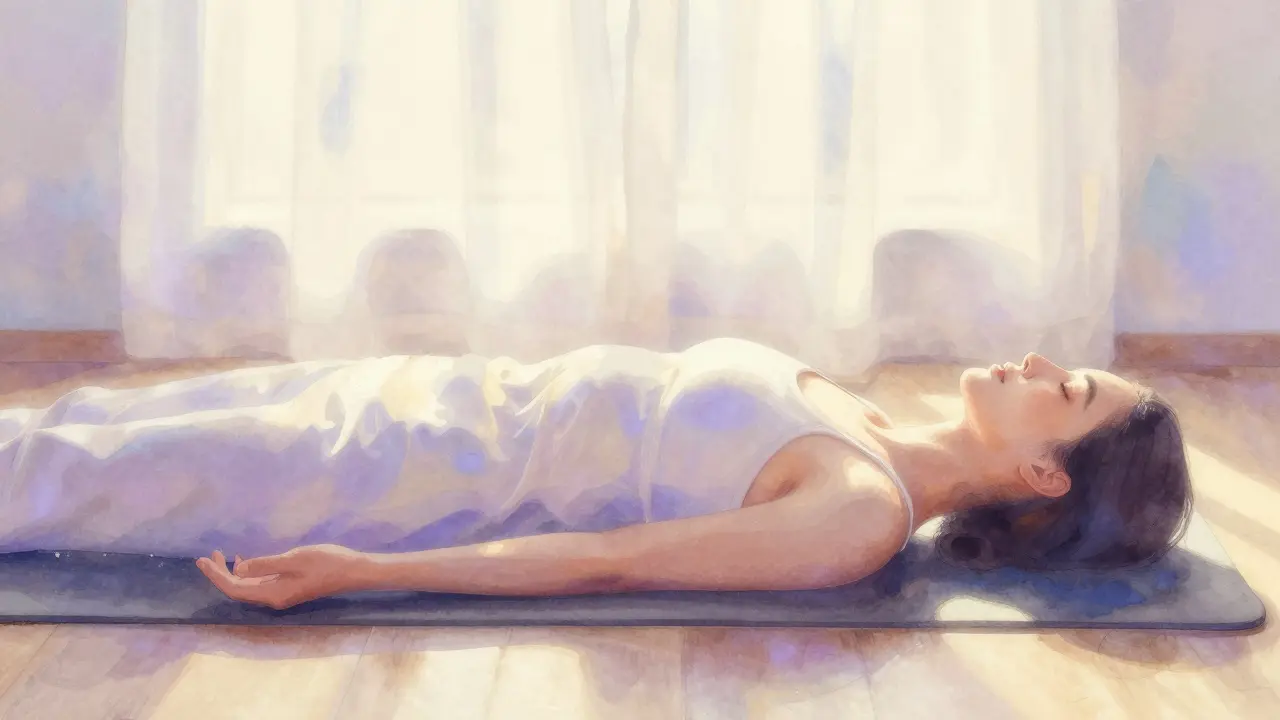
Imagine a touch so gentle it feels less like a massage and more like a wave of calm washing over your body. That is the promise of Breema, a unique bodywork therapy that blends gentle touch with energy awareness to promote deep relaxation and self-healing. Unlike traditional massage techniques that rely on pressure and manipulation, Breema works with the body’s natural energy flow. It is designed to be accessible to everyone, from beginners to seasoned practitioners, making it a standout option in the world of holistic health.
You might wonder why this method has gained traction among those seeking alternative therapies. The answer lies in its simplicity and effectiveness. Breema does not require years of training to start benefiting others or yourself. Its core philosophy centers on the idea that the body knows how to heal itself; it just needs the right conditions. By removing tension and balancing energy, you create space for that healing to happen naturally.
What Exactly Is Breema?
To understand Breema, you need to look beyond standard physical manipulation. It is not about kneading muscles or cracking joints. Instead, it focuses on three main components: gentle touch, breathing, and intention. These elements work together to influence the body’s subtle energy systems. Practitioners often describe the experience as feeling "light" yet profoundly grounding.
The technique was developed by Dr. Harold Rhine, an American psychiatrist who created Breema in the 1960s after studying various Eastern healing practices. He wanted to create a method that could be used safely by anyone, regardless of their physical strength or medical background. This democratization of healing is what sets Breema apart from many other modalities. You do not need to be a certified therapist to offer basic Breema sessions to friends or family members.
At its heart, Breema operates on the principle of non-interference. You are not trying to fix anything directly. Instead, you are facilitating a state where the recipient can access their own inner resources. This approach makes it particularly appealing for people who have had negative experiences with aggressive physical therapies or who simply prefer a softer touch.
How Does Breema Work?
The mechanics of Breema are straightforward but require a shift in mindset. The practitioner uses slow, rhythmic movements combined with specific hand positions. These movements are designed to guide energy rather than force it. Think of it like steering a boat with a light touch rather than pushing it against the current.
- Gentle Touch: Hands glide lightly over the skin, often without breaking contact. This continuous connection helps maintain a steady flow of energy.
- Intentional Focus: The practitioner focuses on sending feelings of safety and well-being. This mental component is crucial because intention influences the quality of the interaction.
- Breathing Coordination: Both the giver and receiver may synchronize their breathing. This shared rhythm enhances the sense of connection and deepens relaxation.
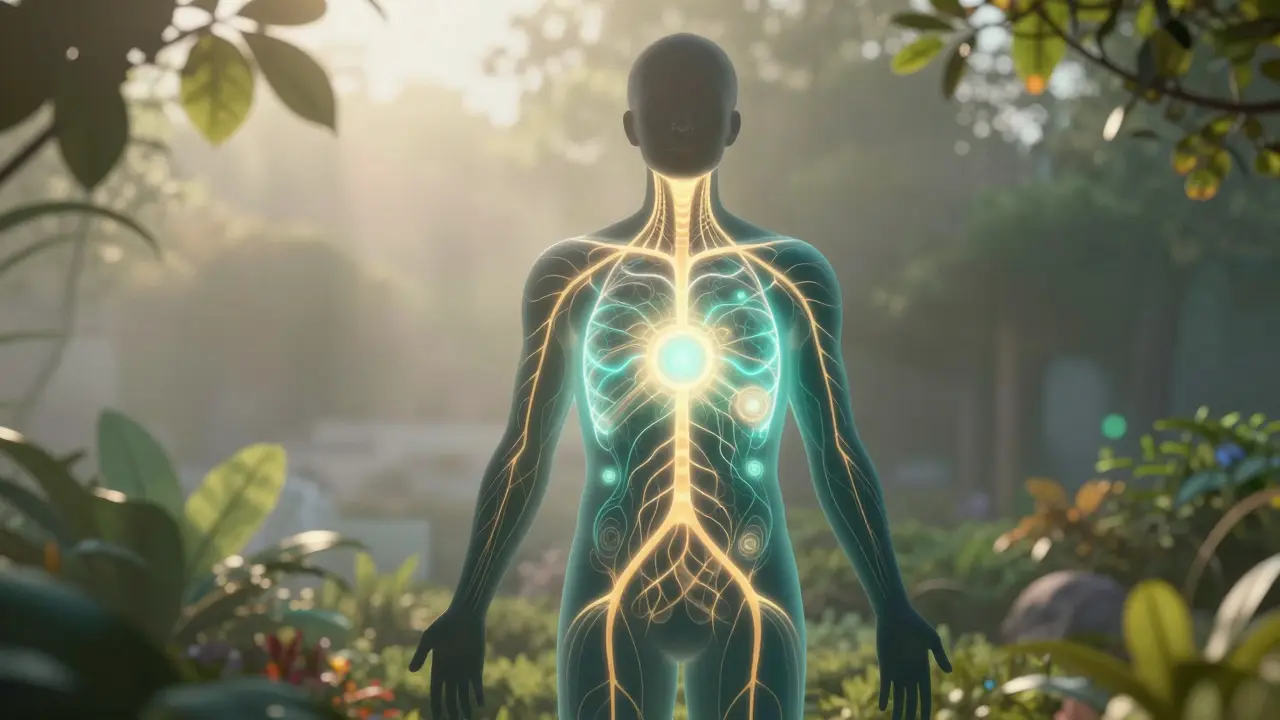
One key aspect is the use of "energy hands." In Breema, certain hand positions are believed to channel universal life force energy. While this concept might sound abstract, many users report tangible sensations such as warmth, tingling, or a sense of expansion during sessions. These effects are not imaginary; they reflect real physiological changes associated with reduced stress levels.
Unlike deep tissue massage, which targets specific muscle knots, Breema addresses the whole person. It considers emotional, mental, and physical states simultaneously. This holistic approach means that even if someone comes in with back pain, the session might address underlying anxiety contributing to that pain.
Benefits of Regular Breema Practice
People turn to Breema for a variety of reasons, ranging from chronic pain management to general stress reduction. Research into energy-based therapies suggests significant benefits for both mind and body. Here are some of the most commonly reported advantages:
- Stress Reduction: Breema activates the parasympathetic nervous system, promoting relaxation and lowering cortisol levels. This makes it an excellent tool for managing daily stress.
- Pain Relief: Many users find relief from headaches, migraines, and joint stiffness. The gentle nature of the therapy ensures no additional strain is placed on sensitive areas.
- Emotional Balance: By addressing energetic blockages, Breema can help release trapped emotions. This leads to improved mood and greater emotional resilience.
- Enhanced Sleep: Those struggling with insomnia often report better sleep patterns after regular sessions. The deep relaxation induced by Breema prepares the body for restorative rest.
- Self-Healing Activation: Perhaps most importantly, Breema empowers individuals to take charge of their own health. Learning self-Breema allows you to support your healing process anytime, anywhere.
These benefits are not limited to professional settings. You can practice Breema at home, either on yourself or with loved ones. This accessibility makes it a powerful resource for maintaining long-term wellness without relying solely on external providers.
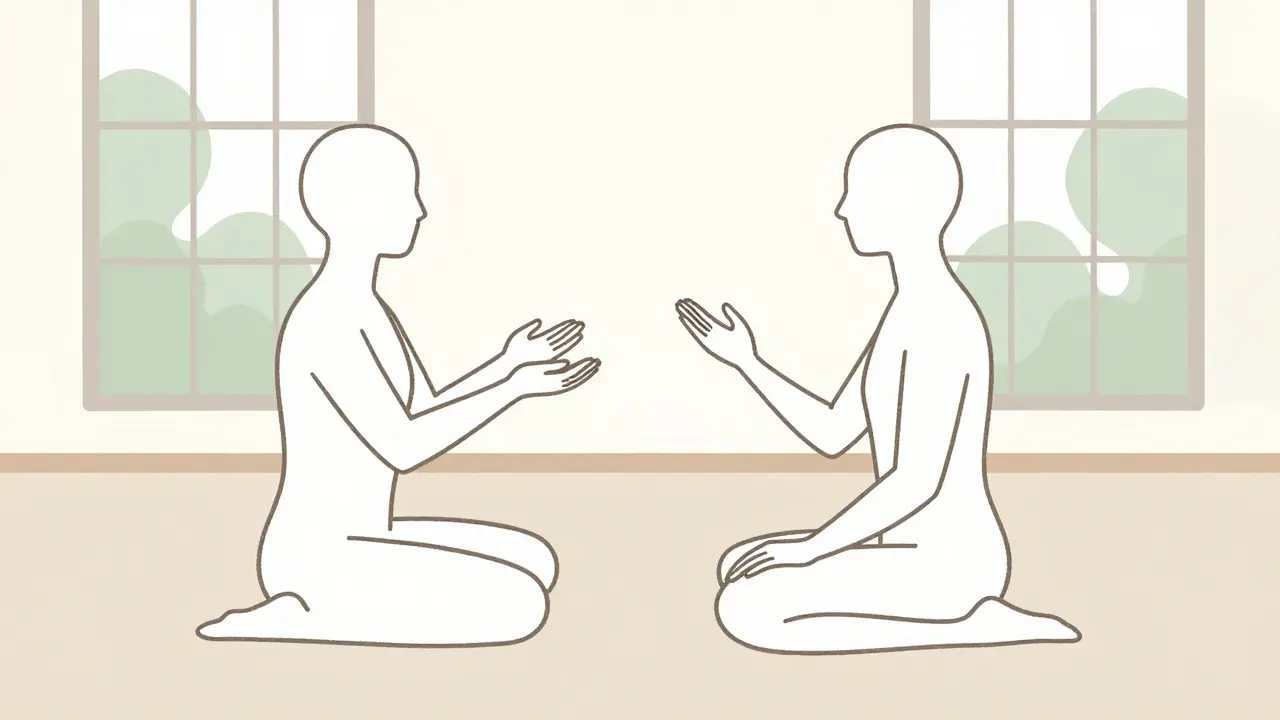
Breema vs. Traditional Massage
If you are familiar with Swedish or deep tissue massage, you might wonder how Breema compares. The differences are stark, and understanding them helps clarify who might benefit most from each approach.
| Feature | Breema | Traditional Massage |
|---|---|---|
| Touch Style | Light, gliding, continuous | Varies from light to deep pressure |
| Focus Area | Whole-body energy balance | Specific muscles or regions |
| Training Required | Minimal for basic practice | Extensive certification needed |
| Physical Strength | Not required | Often necessary for deep work |
| Energy Component | Central to the practice | Usually absent or secondary |
Traditional massage excels at releasing physical tension through mechanical means. Breema, on the other hand, works primarily through energetic alignment. If you suffer from acute muscle injuries, a sports massage might be more appropriate. However, for ongoing stress, fatigue, or emotional distress, Breema offers a gentler, more sustainable solution.
Another distinction is the role of the practitioner. In traditional massage, the therapist is the active agent applying force. In Breema, the practitioner acts as a conduit for energy, allowing the recipient to do much of the work internally. This collaborative dynamic fosters a deeper sense of agency and empowerment.
Getting Started with Breema
Starting your journey with Breema is easier than you might think. You do not need expensive equipment or a dedicated studio space. All you need is willingness and a bit of guidance. Here is how to begin:
- Find a Certified Instructor: Look for local workshops or online courses offered by accredited organizations like the International Breema Association (IBA). These programs provide foundational knowledge and practical skills.
- Practice Self-Breema Daily: Start by applying simple techniques to yourself. Spend five minutes each day focusing on gentle touches and positive intentions. This builds familiarity and confidence.
- Partner Up: Once comfortable, try giving Breema to a friend or family member. Feedback from partners helps refine your technique and deepen your understanding.
- Join a Community: Connect with other practitioners through forums or social groups. Sharing experiences accelerates learning and provides moral support.
- Continue Education: As you progress, explore advanced modules covering topics like energy diagnosis and specialized applications for children or seniors.
Remember, consistency matters more than perfection. Even short daily practices yield noticeable results over time. Many people discover unexpected insights about themselves and their relationships through regular engagement with Breema.
Who Can Benefit from Breema?
One of the greatest strengths of Breema is its universality. It suits nearly everyone, regardless of age, gender, or physical condition. Children respond particularly well due to its playful and non-invasive nature. Seniors appreciate the lack of physical strain while still receiving meaningful care.
Professionals in high-stress fields-such as healthcare workers, teachers, and executives-often incorporate Breema into their routines to prevent burnout. Athletes use it to complement intense training regimens by promoting recovery and mental clarity. Even pets can receive modified versions of Breema, showing its broad applicability across species.
For skeptics, the low barrier to entry invites experimentation without commitment. Try a few sessions before deciding whether it resonates with you. Most people find that once they experience the profound calm Breema induces, they want to integrate it into their lives permanently.
Frequently Asked Questions About Breema
Is Breema safe for everyone?
Yes, Breema is considered extremely safe due to its gentle nature. There are virtually no contraindications, making it suitable for infants, elderly individuals, and those with fragile health conditions. Always consult your doctor if you have serious medical concerns, but generally, Breema poses minimal risk.
Do I need special training to perform Breema?
Basic Breema techniques can be learned quickly through introductory workshops. While formal certification enhances skill depth, casual practitioners can effectively apply core principles after minimal instruction. Professional therapists typically complete comprehensive programs spanning several months.
Can Breema replace medical treatment?
No, Breema should never substitute professional medical advice or treatment. It serves as a complementary therapy supporting overall well-being. For diagnosed illnesses or injuries, always follow prescribed medical protocols alongside any alternative practices.
How long does a typical Breema session last?
Sessions range from 15 minutes to an hour depending on goals and availability. Shorter sessions suffice for quick stress relief, while longer appointments allow deeper exploration of energetic patterns. Flexibility is one of Breema's defining features.
Where can I find certified Breema instructors?
Visit the International Breema Association website or search locally for affiliated schools. Many countries have established networks offering both in-person and virtual classes. Online directories list qualified educators globally, ensuring convenient access wherever you reside.
 Health and Wellness