
Have you ever felt that no matter how many standard massages you book, something is still missing? You leave the table relaxed, but that deep, cellular sense of connection and release hasn't quite clicked. This is where champissage changes the game. It isn't just a rubdown; it is a full-body ritual designed to awaken every nerve ending from your scalp to your toes, including the areas most traditional therapists avoid.
Champissage is more than a technique. It is an experience that blends physical manipulation with emotional presence. If you are curious about what this practice entails, how it differs from a Swedish massage, and whether it fits into your wellness routine, you have come to the right place. Let's break down exactly what happens during a session, why people seek it out, and how to find a reputable practitioner.
What Exactly Is Champissage?
To understand champissage, we first need to look at its roots. The word comes from the French term for "massage," but its spiritual lineage traces back to ancient India. In traditional Ayurveda and Tantra, the body is seen as a vessel for energy, or prana. Blockages in this energy flow can cause stress, tension, and even illness. Champissage was developed as a method to clear these blockages by stimulating the entire surface area of the skin.
| Feature | Champissage | Swedish/Deep Tissue Massage |
|---|---|---|
| Focus Area | Full body, including genitals and breasts | Muscles, back, limbs (clothed or draped) |
| Primary Goal | Energetic balance, intimacy, holistic relaxation | Pain relief, muscle recovery, circulation |
| Technique | Long, flowing strokes, feather-light touches | Kneading, friction, pressure point work |
| Atmosphere | Sensual, meditative, highly personal | Clinical, therapeutic, professional |
Unlike a deep tissue massage that targets knots in your shoulders, champissage treats the body as one continuous circuit. Practitioners use long, sweeping strokes that connect the head to the feet. The intention is not just to relax muscles but to heighten awareness of the body itself. Many clients describe the sensation as being "held" rather than "worked on."
The History and Cultural Context
You might wonder where this practice originated. While the modern commercial version is often associated with European spas, the techniques are deeply rooted in Indian Tantric traditions. In these ancient practices, the massage was part of a broader spiritual discipline aimed at balancing the masculine and feminine energies within a person.
In the West, champissage gained popularity in the late 20th century through the rise of holistic wellness centers. It evolved from a purely spiritual ritual into a therapeutic modality focused on stress reduction and body positivity. Today, it sits at the intersection of Tantric massage, sensuality coaching, and holistic health. Understanding this history helps clarify why the atmosphere is so different from a typical chiropractor's office. It is less about fixing a broken back and more about nurturing the whole self.
What Happens During a Session?
If you are booking your first champissage, uncertainty is normal. Knowing the structure of the session can help ease any anxiety. A typical session lasts between 60 to 90 minutes and follows a specific rhythm.
- Consultation: Before undressing, you will discuss your boundaries, intentions, and any physical limitations. Consent is the foundation of this practice. You decide what areas are off-limits.
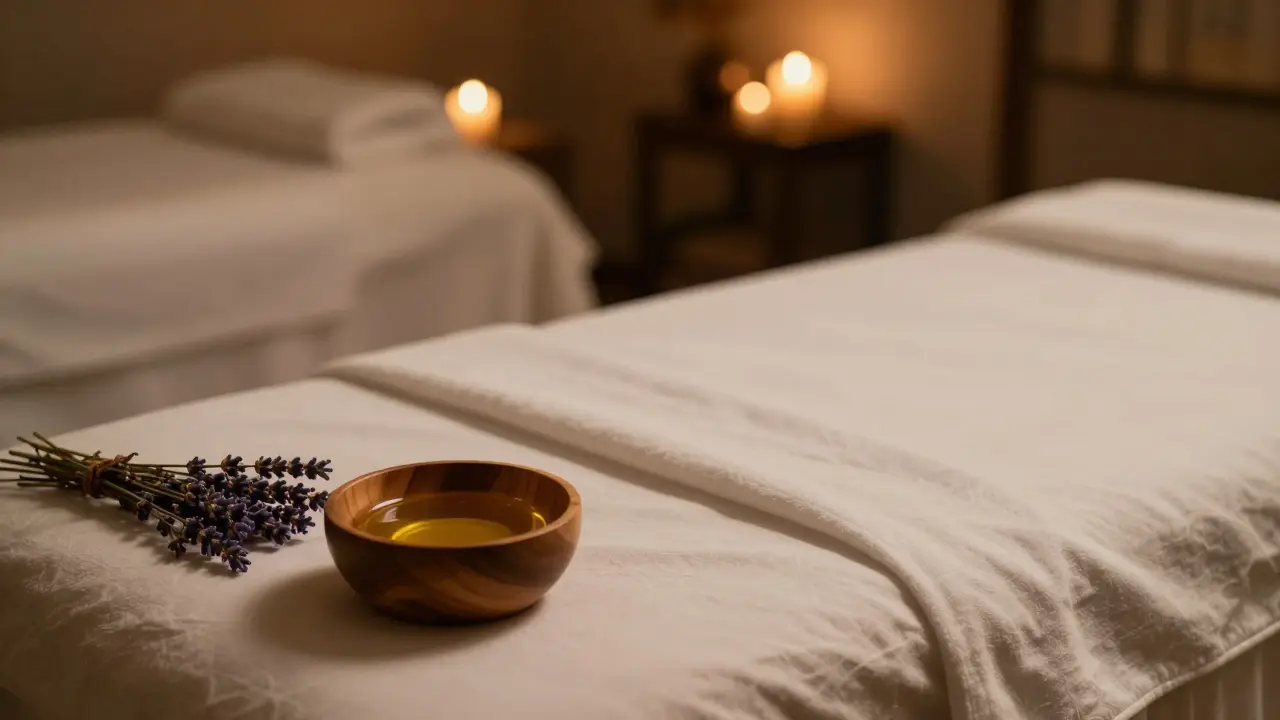
- Preparation: The room is dimly lit, often with candles or essential oils like jasmine, sandalwood, or lavender. These scents are chosen to calm the nervous system and prepare the mind for deeper relaxation.
- Initial Strokes: The therapist begins with light, feather-like touches over the entire body. This phase is called "waking up the skin." It helps you become aware of sensations without intense pressure.
- Flowing Movements: The pace slows down. The therapist uses warm oils to glide across the body, connecting different regions. They may focus on the spine, the chest, and the legs, ensuring no part feels neglected.
- Intimate Areas: This is the defining feature of champissage. With explicit consent, the therapist may massage the breasts and genital area. The goal here is not sexual arousal in the conventional sense, but rather the release of stored tension and the cultivation of self-love. Breathing exercises are often guided during this phase.
- Closing: The session ends with gentle wrapping or covering, allowing you to integrate the experience before slowly returning to a seated position.
Throughout the process, silence is common, though some practitioners guide you through breathing cues. The key is to stay present. If your mind wanders to your email inbox, gently bring your attention back to the sensation of oil on your skin.
Benefits Beyond Relaxation
Why do people choose champissage over other therapies? The benefits extend far beyond feeling good for an hour. Here are the primary outcomes reported by regular practitioners:
- Stress Reduction: By activating the parasympathetic nervous system, champissage lowers cortisol levels significantly. This is crucial for those dealing with chronic burnout.
- Improved Body Image: For many, especially survivors of trauma or those with body dysmorphia, having their entire body touched with respect and care can be healing. It fosters a sense of acceptance and neutrality toward one's physical form.
- Enhanced Intimacy: Couples often explore champissage together. Learning to touch and be touched without the pressure of performance can revitalize romantic relationships. It teaches partners how to listen to each other's bodies.
- Hormonal Balance: Some proponents suggest that stimulating specific nerve endings can support hormonal regulation, though scientific evidence for this is anecdotal. The relaxation response alone supports endocrine health.
- Emotional Release: The body stores trauma. As tension releases physically, emotions may surface. Crying or laughing during a session is not uncommon. It is a safe space for these expressions.
Champissage vs. Other Intimate Massages
It is easy to confuse champissage with other modalities like Tantra or Nuru massage. While they share similarities, the distinctions matter when choosing the right therapy for your needs.
| Modality | Origin | Key Focus | Best For |
|---|---|---|---|
| Champissage | India/France | Full-body energy flow, gentleness | Holistic relaxation, beginners |
| Tantra | India | Spiritual connection, breathwork | Spiritual seekers, couples |
| Nuru | Japan | Friction, slippery gel, physical stimulation | Physical pleasure, sensory exploration |
| Sensuality Coaching | Modern West | Education, communication, confidence | Personal development, relationship issues |
Champissage is generally considered the most accessible entry point into intimate massage because it emphasizes gentleness and flow over intense physical stimulation or complex spiritual rituals. If you are new to the concept, start here. Tantra requires more mental preparation, while Nuru is more physically demanding. Champissage strikes a balance between therapeutic care and sensual awakening.
Finding a Reputable Practitioner
This is the most critical step. Because champissage involves intimate contact, safety and professionalism are non-negotiable. The industry is largely unregulated, which means you must do your due diligence.
First, look for credentials. A reputable therapist should have training in anatomy, physiology, and specifically in consent-based practices. Certifications from recognized holistic health institutes add a layer of trust. Avoid practitioners who operate entirely in shadows or refuse to provide references.
Second, check the environment. A professional studio should be clean, private, and well-equipped. Look for websites that clearly state their policies on consent, boundaries, and hygiene. Red flags include vague pricing, lack of consultation, or any suggestion that the session will involve sexual acts. Remember: champissage is a therapeutic practice, not a proxy for prostitution. Ethical practitioners maintain strict professional boundaries.
Third, trust your gut. During the initial consultation, pay attention to how the therapist listens. Do they make you feel comfortable? Do they ask about your limits? If you feel pressured or uneasy at any point, walk away. Your comfort is the priority.
Preparing for Your First Session
Preparation helps you get the most out of the experience. Hydrate well beforehand, as massage can release toxins that need flushing from your system. Eat a light meal so you don't feel lightheaded, but avoid heavy foods that demand digestion energy.
Communicate openly. There is no shame in saying, "I am nervous," or "Please avoid my lower back." A good therapist welcomes this feedback. It allows them to tailor the session to your exact needs. Bring loose, comfortable clothing to wear afterward, and plan to rest for the rest of the day. You may feel emotionally raw or deeply peaceful; either way, your body will need time to integrate the shift.
Common Misconceptions
Misunderstandings surround champissage due to its intimate nature. Let's address a few directly.
Misconception 1: It is sexual. While it involves erogenous zones, the intent is not orgasm or sexual gratification. It is about presence and healing. Any sexual tension that arises is acknowledged and released through breath and movement, not acted upon sexually.
Misconception 2: Only women receive it. Men benefit greatly from champissage. Society often discourages men from exploring vulnerability and touch. This therapy offers a safe container for men to reconnect with their bodies and release emotional armor.
Misconception 3: It is only for the wealthy. While high-end spas charge premium rates, many holistic practitioners offer sliding scale fees or shorter sessions. The value lies in the skill and presence of the therapist, not the luxury of the venue.
Aftercare and Integration
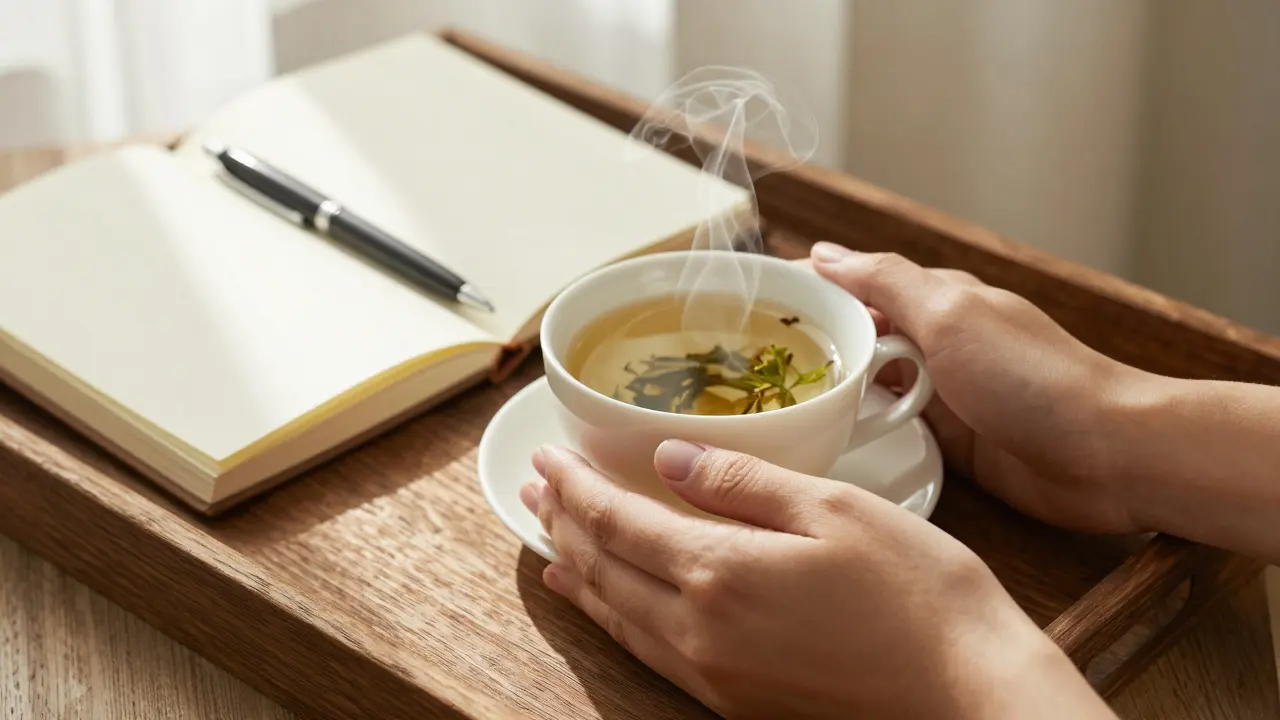
The work doesn't end when you leave the room. Aftercare is essential for sustaining the benefits. Drink plenty of water to aid detoxification. Avoid scheduling stressful meetings or intense workouts immediately after. Instead, engage in gentle activities like walking, journaling, or meditation.
Notice how your body feels in the days following. You might experience increased sensitivity, better sleep, or a shift in mood. Keep a journal to track these changes. Over time, you may find that the lessons learned during champissage-such as the importance of slow touch and mindful breathing-carry over into your daily life and relationships.
Is champissage legal?
Yes, champissage is legal in most jurisdictions when practiced as a therapeutic or wellness service. However, laws regarding intimate touch vary by country and state. It is crucial to ensure your practitioner operates within legal boundaries and adheres to local regulations concerning massage therapy and consent.
Can I do champissage with my partner?
Absolutely. Many couples learn champissage techniques to enhance intimacy. Workshops and books are available for couples who wish to practice this safely at home. The key is maintaining clear communication and respecting each other's boundaries.
How much does a champissage session cost?
Prices vary widely depending on location and practitioner experience. In major cities, a 60-minute session can range from $150 to $400. Some therapists offer introductory rates or package deals. Always verify what is included in the price to avoid hidden fees.
Is champissage suitable for people with trauma?
It can be, but caution is advised. Touch can trigger traumatic responses. If you have a history of trauma, look for a practitioner trained in trauma-informed care. Ensure you have full control over the session and can stop at any time. Therapy with a psychologist may be recommended alongside massage.
What should I wear to a champissage appointment?
You will typically undress completely, but you can keep undergarments on if you prefer. Most practitioners provide sheets or towels for draping. Wear comfortable, loose clothing to change into afterward. Remove jewelry before the session to avoid interference with the massage.
 Health and Wellness