
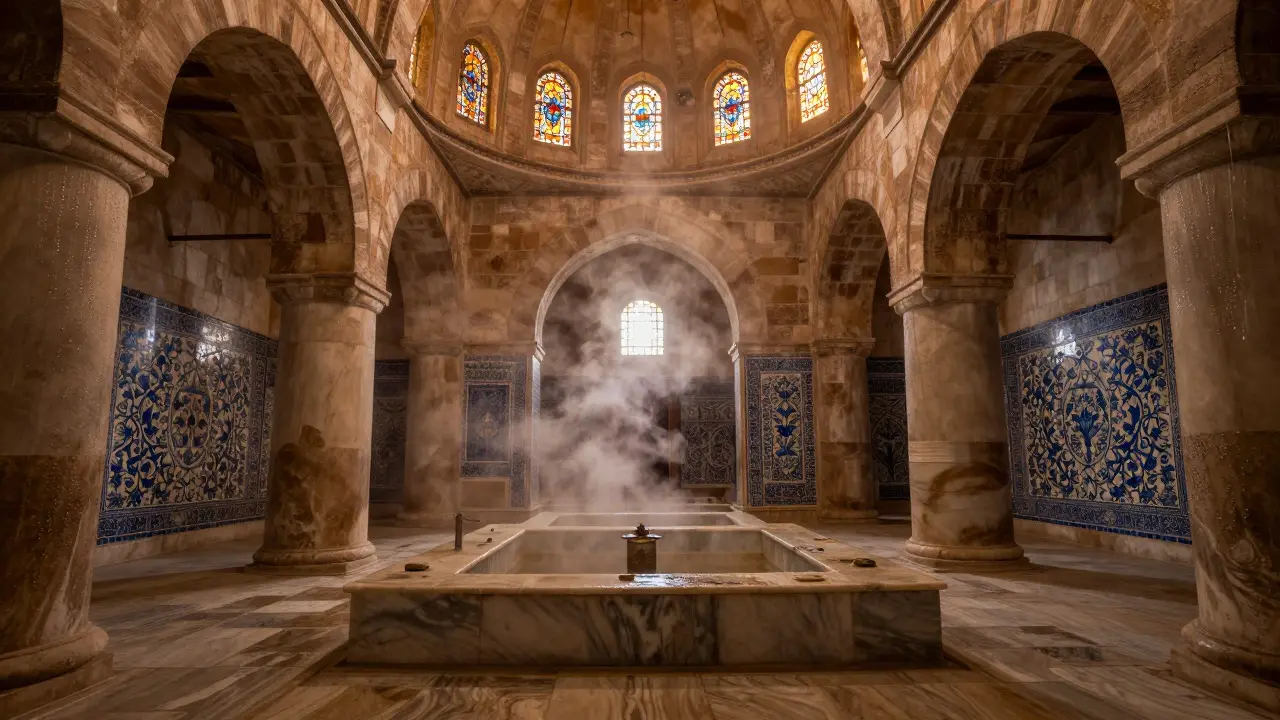
Imagine stepping out of the scorching desert heat into a cool, dimly lit stone chamber. The air is thick with moisture, carrying the faint scent of eucalyptus and rosewater. This isn't a spa in a five-star hotel; it's a hammam, a traditional public bathhouse that has been the heartbeat of social life in the Middle East for centuries. To the uninitiated, it might just look like a fancy steam room. But to anyone from Istanbul, Cairo, or Beirut, the hammam is far more than a place to get clean. It is a sanctuary, a social hub, and a deeply rooted ritual that connects the body, mind, and community.
The Ancient Roots of the Hammam
You can't understand the modern hammam without looking back at its ancestors. The concept didn't start in the Middle East, but rather in the Roman Empire. The Romans built massive public baths, known as thermae, which were central to their daily routine. When Islamic civilization expanded across North Africa and the Levant in the 7th century, these structures were adapted to fit local customs and religious needs.
Islam places a high value on physical purity before prayer. This spiritual requirement transformed the Roman bath from a leisure center into a necessity for hygiene and ritual cleanliness (wudu). Over time, the architecture evolved. The flat roofs gave way to domes to prevent condensation from dripping onto bathers. The heating systems became more sophisticated, utilizing hypocausts-underfloor heating channels-to keep the marble surfaces warm. By the Ottoman era, the hammam had reached its architectural peak, becoming grand palaces of steam and stone.
What Actually Happens Inside?
If you've never been to a hammam, you might be wondering what the experience actually entails. It’s not just sitting in hot water. A traditional session follows a specific rhythm designed to cleanse the body thoroughly. Here is how it typically unfolds:
- Warming Up: You enter the warmest room, often called the sıcaklık. You sit on heated marble slabs to let your pores open up. This phase is about relaxation and acclimatization.
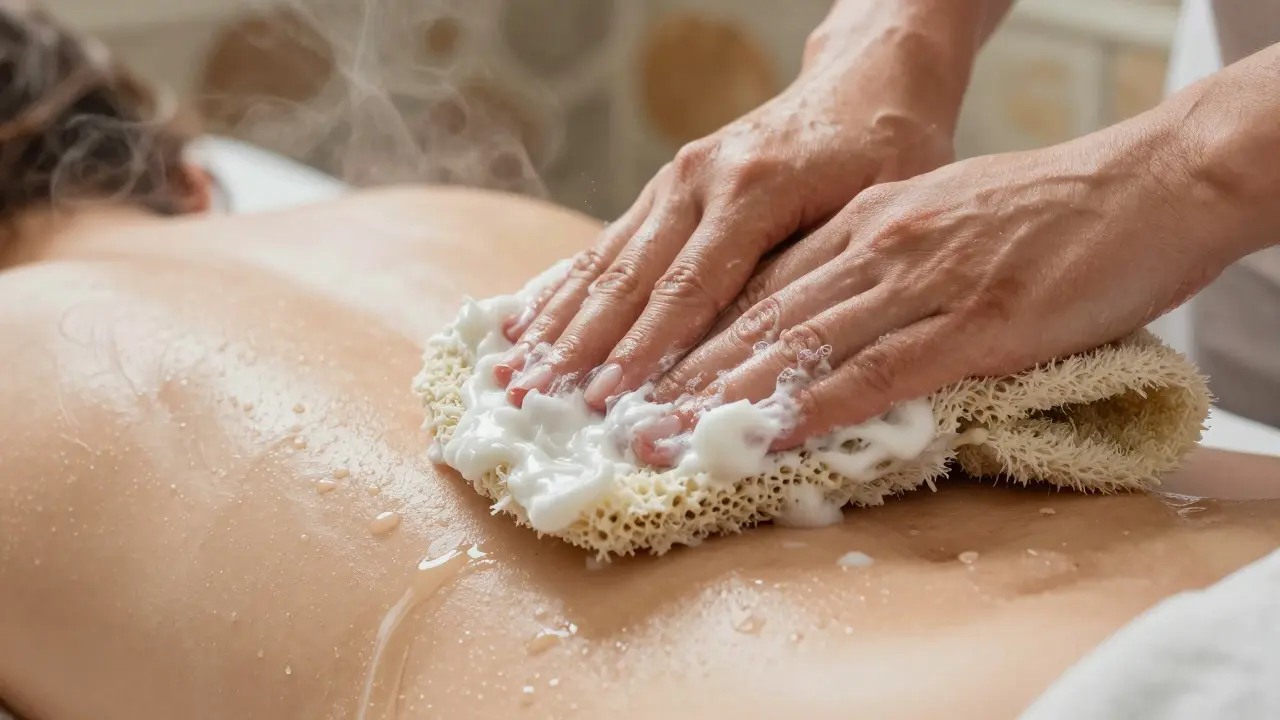
- The Scrub: This is the core of the hammam experience. A attendant, known as a tellak or eshikci, helps you scrub your skin using a rough mitt called a kese. They use soap lathered directly onto your skin to remove dead cells. It feels intense at first, but incredibly refreshing.
- The Foam Massage: After the scrub, you lie face down on the marble table. The attendant pours soapy foam over your body and uses their forearms to massage you. This step relaxes muscles and leaves your skin silky smooth.
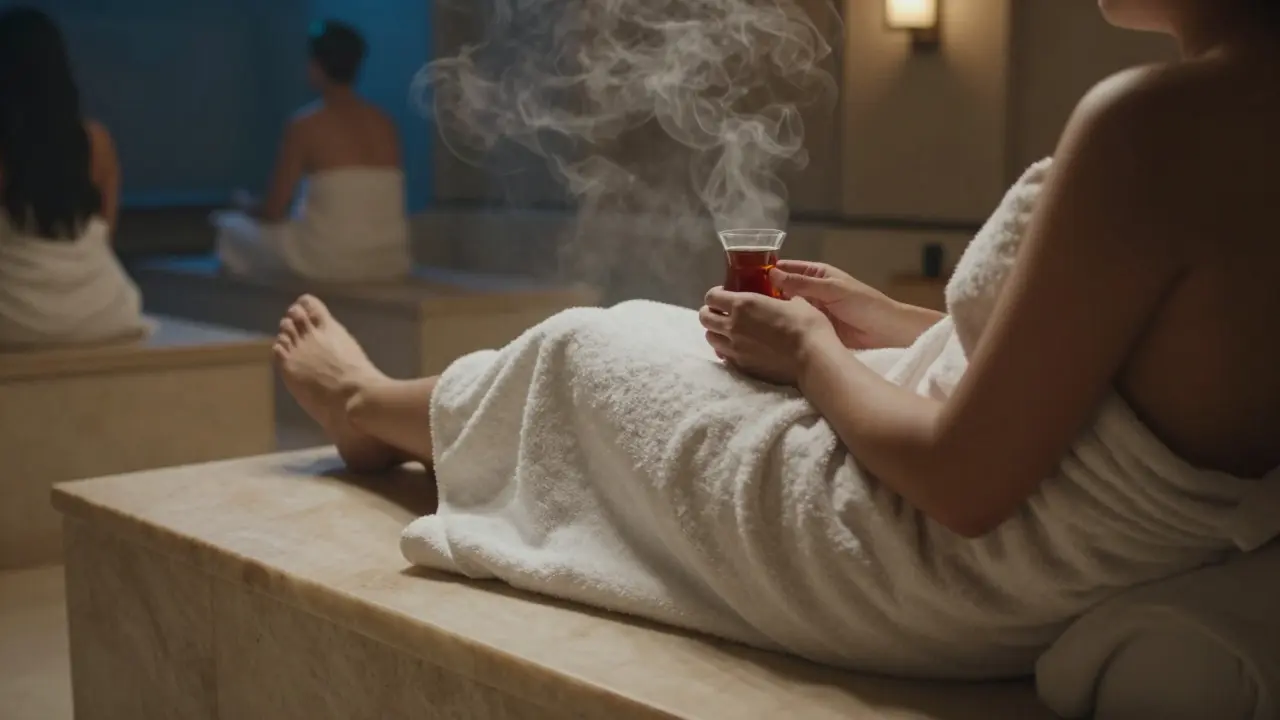
- Cooling Down: Finally, you rinse off with cold water and move to a cooler room to rest. Many people drink tea or herbal infusions here to rehydrate.
This process isn't rushed. A proper hammam session can last anywhere from one to three hours. It’s a slow, deliberate practice that contrasts sharply with the quick shower culture of the West.
More Than Just Hygiene: The Social Role
In many Western countries, bathing is a private act. In Middle Eastern culture, historically, it was a communal event. For centuries, the hammam served as a neutral ground where men and women (in separate sections or times) could gather. It was a place to catch up with friends, discuss business, or simply escape the pressures of daily life.
Even today, this social function remains strong. In cities like Damascus or Aleppo, despite years of conflict, locals still flock to historic hammams. Why? Because outside walls are crumbling, but inside the hammam, there is continuity. It’s a space where class distinctions blur. Everyone sits on the same marble, everyone gets the same scrub. It reinforces a sense of shared humanity and community belonging.
For families, the hammam is also a rite of passage. Newborns are often taken to the hammam shortly after birth for their first bath, symbolizing purification and welcome into the community. Weddings frequently involve pre-ceremony hammam visits for the bride and groom, preparing them spiritually and physically for marriage.
Health Benefits Backed by Tradition
While the social aspects are vital, the health benefits are what keep people returning. The combination of heat, steam, and exfoliation offers several physiological advantages:
- Skin Health: The deep exfoliation removes dead skin cells, unclogs pores, and improves circulation. Regular visits can help manage conditions like eczema or psoriasis.
- Muscle Relief: The heat penetrates deep into the muscles, helping to relieve tension and stiffness. The foam massage further aids in reducing soreness.
- Respiratory Clarity: The steam, often infused with essential oils like eucalyptus or mint, can help clear sinuses and improve breathing.
- Mental Relaxation: The quiet, dim environment reduces stress levels. The rhythmic nature of the scrub and massage induces a meditative state.
Modern science supports many of these claims. Studies have shown that regular sauna and steam room use can lower blood pressure and improve cardiovascular health. While specific studies on traditional hammams are fewer, the principles of thermotherapy apply universally.
Hammam vs. Sauna: What’s the Difference?
People often confuse hammams with saunas, but they are quite different. Understanding these differences helps set realistic expectations if you’re planning a visit.
| Feature | Hammam | Sauna |
|---|---|---|
| Heat Type | Wet heat (steam) | Dry heat (air) |
| Temperature | 40-50°C (104-122°F) | 70-100°C (158-212°F) |
| Humidity | High (90-100%) | Low (10-20%) |
| Primary Activity | Scrubbing, massage, socializing | Sitting, sweating, cooling down |
| Duration | 1-3 hours | 15-20 minutes per session |
The key takeaway? If you want a quick sweat, go to a sauna. If you want a full-body cleansing ritual with social interaction, choose a hammam.
How to Experience a Hammam Like a Local
Visiting a hammam for the first time can be intimidating. Here are some tips to make the experience smoother and more authentic:
- Hydrate: Drink plenty of water before and after your session. The heat causes significant fluid loss.
- Bring Your Own Towel: Most hammams provide towels, but bringing your own ensures freshness and comfort.
- Remove Jewelry: Leave rings, watches, and bracelets at home. The steam and soap can damage them, and they might scratch the marble.
- Be Respectful: Speak quietly. The hammam is a place of relaxation. Avoid loud conversations or phone calls.
- Tipping: It’s customary to tip the attendant, especially if they provide a thorough scrub and massage. Check local norms, but 10-15% is generally appreciated.
- Timing Matters: Go during off-peak hours if you prefer a quieter experience. Early mornings or late evenings are usually less crowded.
Don’t be afraid to ask questions. Attendants are used to tourists and will happily explain the steps if you’re unsure. Embrace the process-it’s okay if you feel vulnerable at first. That’s part of the journey.
The Modern Evolution of the Hammam
Today, the hammam is experiencing a revival. Urbanization and changing lifestyles have threatened traditional bathhouses, but there’s a growing movement to preserve them. In cities like Istanbul and Marrakech, historic hammams are being restored and repurposed as luxury spas while maintaining their cultural integrity.
At the same time, new interpretations are emerging. Some modern wellness centers combine hammam rituals with yoga, meditation, and aromatherapy. These hybrid spaces appeal to younger generations who seek holistic health solutions. However, purists argue that diluting the tradition risks losing its essence. The debate continues, but one thing is clear: the hammam remains relevant.
Whether you’re a traveler seeking an authentic cultural experience or a local looking for a moment of peace, the hammam offers something unique. It’s a reminder that cleanliness isn’t just about hygiene-it’s about renewal, connection, and respect for the body.
Is the hammam suitable for beginners?
Yes, absolutely. Most hammams cater to visitors of all experience levels. Attendants are trained to guide you through the process gently. Start with a shorter session and communicate your preferences regarding pressure and temperature.
Are hammams gender-segregated?
Traditionally, yes. Many hammams have separate days or times for men and women, or distinct sections within the facility. However, some modern spas offer mixed-gender sessions, particularly for couples or families. Always check ahead of time.
Can I bring my own soap?
Most hammams provide their own specialized soaps and oils, which are part of the experience. Bringing your own isn't necessary unless you have sensitive skin or specific allergies. In that case, inform the attendant beforehand.
How much does a hammam visit cost?
Prices vary widely depending on location and service level. In Turkey, a basic entry might cost $5-$10, while a full-service session with massage can range from $20-$50. In Europe or the US, prices can be significantly higher, often exceeding $100 for premium experiences.
Is the hammam safe for people with heart conditions?
Generally, yes, but caution is advised. The heat can strain the cardiovascular system. Consult your doctor before visiting if you have hypertension, heart disease, or other serious conditions. Take breaks in cooler areas if you feel dizzy or uncomfortable.
 Health and Wellness