
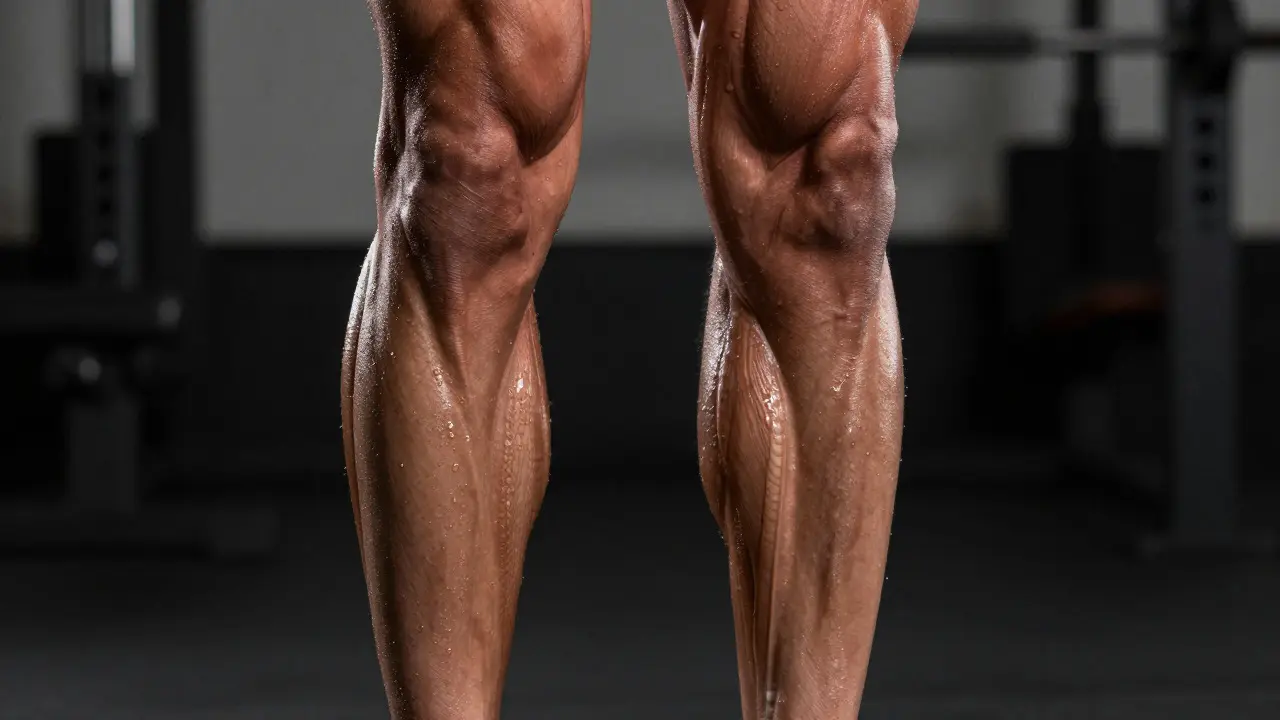
You just finished a grueling training session or stepped off the field after a high-stakes match. Your legs feel like lead, your shoulders are tight knots, and every step sends a dull ache through your joints. You know rest is important, but passive recovery often feels too slow. This is where sports massage is a specialized form of bodywork designed to prevent and treat injuries, enhance athletic performance, and aid in faster recovery for athletes. Unlike a standard relaxation massage, this therapy targets specific muscle groups involved in physical activity, using techniques that address the unique demands placed on the human body during sport.
What Exactly Is Sports Massage?
Sports massage is not just a luxury; it is a functional tool used by everyone from weekend warriors to Olympic gold medalists. It combines traditional Swedish massage techniques with deeper pressure methods like trigger point therapy and myofascial release. The primary goal is to prepare the body for physical exertion or help it bounce back afterward.
Think of it as maintenance for a high-performance engine. A regular car might run fine with occasional oil changes, but a race car needs constant tuning to handle extreme stress. Similarly, an athlete’s body accumulates micro-trauma, tension, and metabolic waste products during exercise. Sports massage addresses these issues directly. It focuses on areas prone to injury, such as the lower back, hamstrings, calves, and shoulders, depending on the specific sport.
The practice has evolved significantly over the decades. In the early 20th century, it was largely experimental. Today, it is backed by sports science and integrated into professional training regimens worldwide. Whether you are a marathon runner dealing with shin splints or a tennis player battling tennis elbow, this therapy offers targeted relief rather than a generic full-body rubdown.
The Science Behind Muscle Recovery
To understand why sports massage works, we need to look at what happens inside your muscles during intense activity. When you exercise, your muscle fibers undergo microscopic tears. This process, known as eccentric damage, is necessary for growth but leads to inflammation and pain. Additionally, your body produces metabolic byproducts like lactate, which can contribute to that heavy, burning sensation in your limbs.
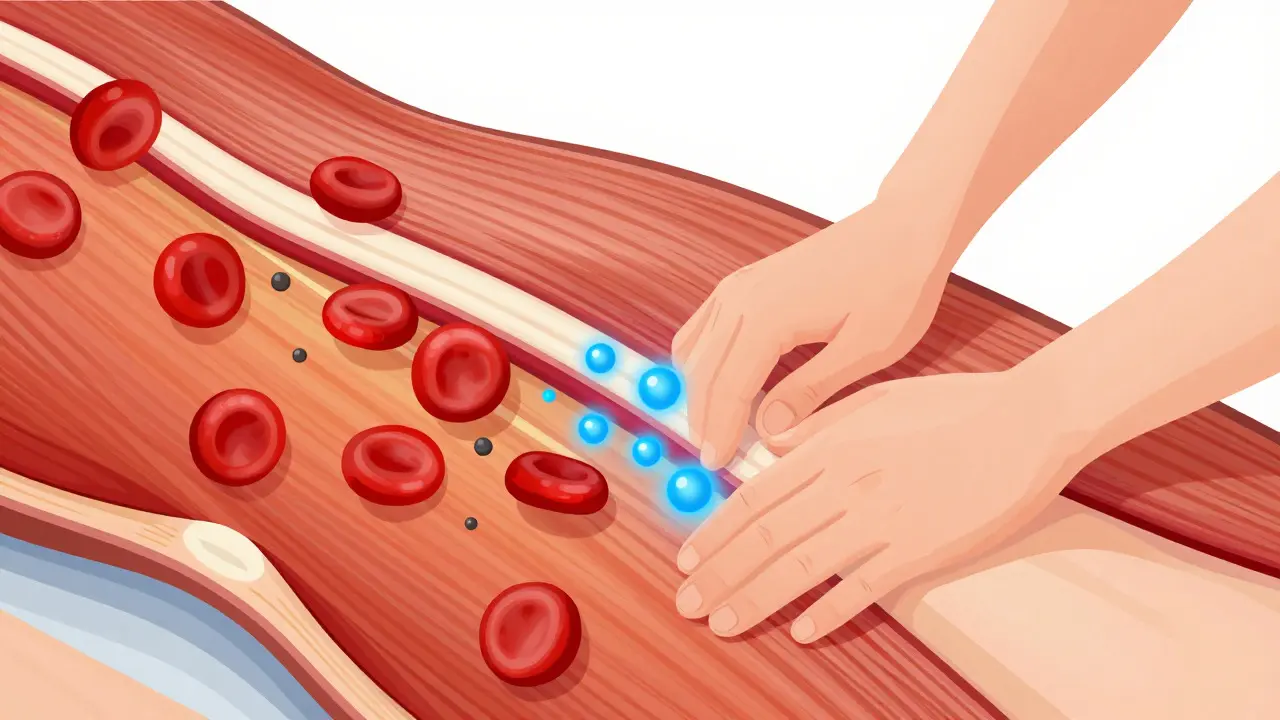
Deep tissue massage is a technique that applies firm pressure and slow strokes to reach deeper layers of muscle and fascia, helping to break down adhesions and scar tissue that form after repeated strain. By increasing blood flow to these damaged areas, massage accelerates the removal of waste products and delivers oxygen-rich blood needed for repair. Studies have shown that post-exercise massage can reduce markers of inflammation, such as cytokines, more effectively than passive rest alone.
Furthermore, massage impacts the nervous system. Intense physical activity keeps your sympathetic nervous system (the "fight or flight" response) activated. Massage stimulates the parasympathetic nervous system, promoting relaxation and lowering cortisol levels. This shift helps your body transition from a state of stress to a state of repair, allowing you to sleep better and recover faster.
Pre-Event vs. Post-Event: Timing Matters
Not all sports massages are created equal. The timing and technique depend heavily on when you receive the treatment relative to your competition or workout. Many athletes make the mistake of getting a deep, intense massage right before a big game, which can actually hinder performance by leaving muscles too relaxed or sore.
| Feature | Pre-Event Massage | Post-Event Massage |
|---|---|---|
| Primary Goal | Activation and Warm-up | Recovery and Relaxation |
| Technique Style | Light to moderate, brisk strokes | Deeper pressure, slower strokes |
| Duration | 10-20 minutes | 30-60 minutes |
| Focus Areas | Major muscle groups used in sport | Tight spots, injured areas, full body |
| Physiological Effect | Increases heart rate and circulation | Lowers heart rate and reduces inflammation |
Pre-event massage is about waking up the muscles. It uses effleurage (long, gliding strokes) and petrissage (kneading) to increase blood flow and flexibility without causing fatigue. Imagine stretching a cold rubber band versus a warm one; pre-event massage ensures your tissues are pliable and ready for movement.
Post-event massage, on the other hand, is about calming the system down. It addresses the immediate aftermath of exertion. Techniques here might include static stretching assistance and trigger point therapy to release knots formed during the event. The goal is to minimize delayed onset muscle soreness (DOMS), which typically peaks 24 to 72 hours after exercise.
Injury Prevention and Maintenance
One of the most significant benefits of sports massage is its role in injury prevention. Chronic tightness in certain muscles can pull on others, creating imbalances that lead to strains and sprains. For example, tight hip flexors from sitting all day can cause lower back pain in runners. Regular maintenance massage identifies these imbalances before they become painful injuries.
Myofascial release is a gentle, sustained pressure applied to the connective tissue (fascia) to eliminate pain and restore motion. Fascia is the web-like tissue surrounding your muscles. When it becomes restricted due to trauma or repetitive motion, it limits range of motion. Sports therapists use myofascial release to soften this tissue, improving mobility and reducing the risk of tears.
Consider a cyclist who spends hours in a fixed position. Their quads and IT bands become incredibly tight, while their glutes weaken. Without intervention, this imbalance can lead to knee pain or sciatica. A therapist working with this cyclist would focus on releasing the tight anterior chain and activating the posterior chain, restoring proper biomechanics. This proactive approach saves time and money compared to treating an acute injury later.
Mental Benefits for Competitive Athletes
We often overlook the mental aspect of physical performance. Anxiety, fear of failure, and general stress can tighten muscles and disrupt focus. Sports massage provides a dedicated time for athletes to disconnect from the pressures of competition and reconnect with their bodies.
This tactile interaction releases endorphins and serotonin, neurotransmitters associated with mood regulation. For many athletes, the routine of weekly massage becomes a psychological anchor, signaling to the brain that it is time to relax and reset. This mental clarity translates to better decision-making on the field or court. When your mind is calm, your body moves more efficiently, reducing unnecessary tension that wastes energy.
In team sports, shared recovery sessions can also build camaraderie. Seeing teammates prioritize their health fosters a culture of wellness within the group. It shifts the narrative from "pushing through pain" to "respecting the body's limits," which ultimately leads to longer, healthier careers.
Finding the Right Sports Massage Therapist
Not all massage therapists are trained in sports-specific techniques. To get the most out of your sessions, you need a practitioner who understands anatomy, kinesiology, and the specific demands of your sport. Look for certifications from recognized bodies such as the National Certification Board for Therapeutic Massage and Bodywork (NCBTMB) or equivalent organizations in your region.
When booking your first appointment, communicate clearly about your goals. Are you preparing for a marathon? Dealing with chronic shoulder pain? Trying to improve flexibility? A skilled therapist will tailor the session to your needs, asking detailed questions about your training schedule and any existing injuries. They should also provide advice on stretches or exercises you can do at home to complement the work done in the clinic.
Avoid therapists who promise miracle cures or use excessive force that causes sharp pain. Good sports massage should be uncomfortable at times, especially when working on dense scar tissue, but it should never be agonizing. Trust your instincts and find a partner in your recovery journey who listens and adapts.
Integrating Massage Into Your Training Routine
To maximize benefits, consistency is key. Sporadic massages offer temporary relief, but regular sessions create lasting changes in tissue quality and mobility. For competitive athletes, a common schedule includes a deep tissue session once a month for maintenance, with additional pre- or post-event treatments around competitions.
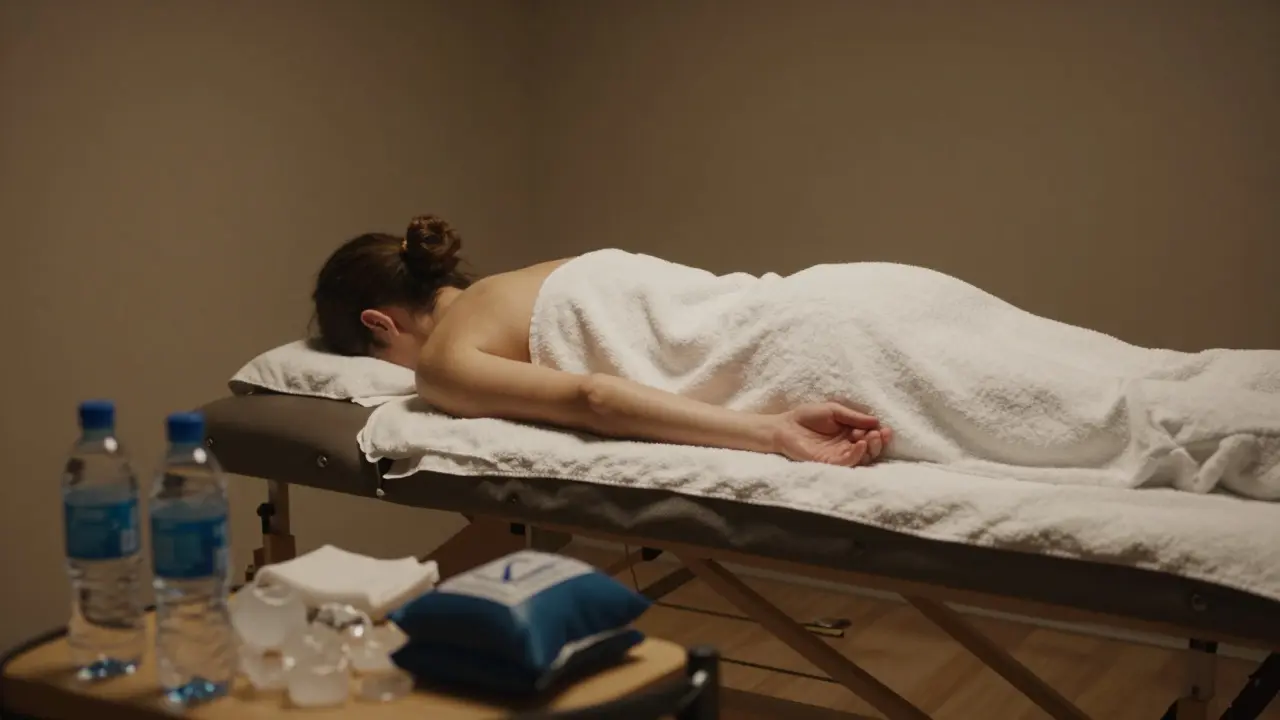
Combine massage with other recovery modalities for best results. Hydration is crucial; drinking water after a massage helps flush out toxins released from the muscles. Ice baths or compression therapy can further reduce inflammation. Listen to your body-if you feel unusually sore after a session, ease up on your next workout to allow full healing.
Remember, sports massage is part of a holistic approach to fitness. It complements nutrition, sleep, and proper training load management. By investing in your body’s recovery, you invest in your performance. Whether you aim to shave seconds off your personal best or simply enjoy pain-free movement, sports massage is a powerful ally in achieving your athletic potential.
How often should an athlete get a sports massage?
The frequency depends on your activity level and goals. For competitive athletes in peak season, weekly or bi-weekly sessions are common. For recreational athletes, monthly maintenance massages are usually sufficient to prevent issues and maintain flexibility.
Does sports massage hurt?
It can be uncomfortable, especially if you have significant muscle tension or scar tissue. However, it should not cause sharp or unbearable pain. Communicate with your therapist to adjust the pressure. Mild soreness afterward is normal, similar to post-workout soreness.
Can sports massage help with old injuries?
Yes. Sports massage can help break down scar tissue and improve blood flow to areas affected by past injuries. This promotes healing and restores range of motion, though severe structural damage may require medical intervention alongside massage therapy.
Is sports massage different from deep tissue massage?
While they share techniques, sports massage is more targeted and goal-oriented. Deep tissue massage focuses on chronic tension throughout the body, whereas sports massage specifically addresses muscles used in athletic activities and aims to enhance performance or recovery.
Should I get a massage before or after a workout?
Both have benefits. Pre-workout massage should be light and brief to warm up muscles. Post-workout massage is typically deeper and longer, aimed at reducing soreness and aiding recovery. Avoid intense deep tissue work immediately before a competition.
 Health and Wellness