
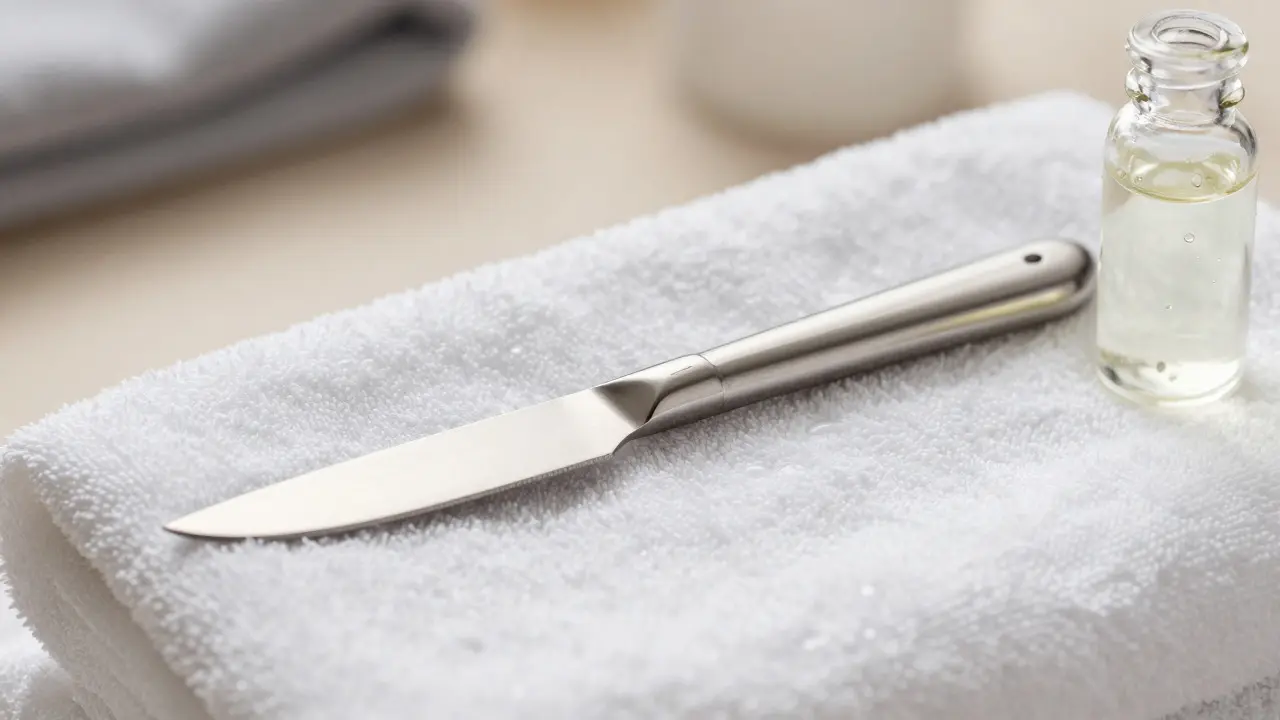
Imagine sliding a cold, smooth blade across your shoulder. For most people, the image triggers a flinch. But for those who have experienced knife massage is a specialized bodywork technique that uses the edge of a stainless steel knife to apply precise pressure and glide along muscle groups., it feels like a warm wave washing away knots that no other touch could reach. This isn't about danger; it's about precision. The tool allows therapists to isolate specific trigger points with a level of control that fingers often struggle to match.
The practice has roots in traditional Chinese medicine, where practitioners used tools to stimulate meridians and improve blood flow. Today, it has evolved into a niche but growing modality within modern wellness circles. If you are skeptical, you are not alone. The name sounds intimidating, but the reality is far more relaxing than it appears. Let's break down why this unconventional method is becoming a go-to for chronic tension relief.
How Knife Massage Actually Works
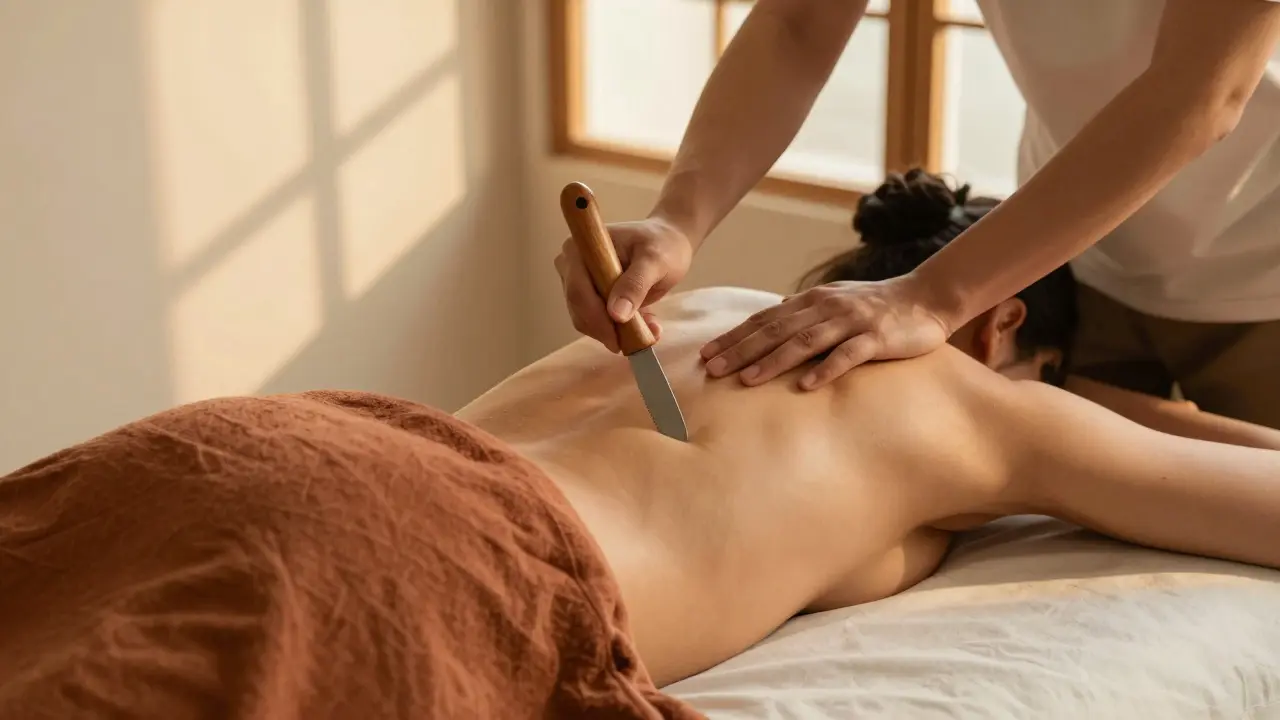
At its core, knife massage is a form of myofascial release is a manual therapy technique designed to stretch and soften the connective tissue surrounding muscles.. The therapist holds a small, dull-edged knife-often resembling a large paring knife or a specialized wooden-handled blade-and glides it over the skin using oil or lotion as a lubricant. The key here is the angle. The blade is held at a slight tilt, allowing the edge to press into the fascia without cutting. Think of it as a very controlled scraping motion.
This action creates two main effects. First, it mechanically separates adhered layers of fascia, which can restrict movement and cause pain. Second, the temperature of the metal plays a role. A cool blade on warm skin creates a distinct sensory contrast that helps calm the nervous system. Many clients report that the initial sensation is sharp, but it quickly transitions into a deep, satisfying ache that signals the release of tension. It is less about "getting worked on" and more about feeling the boundaries of your muscles shift.
The Sensory Experience: What to Expect
Walking into a studio for your first session might feel nerve-wracking. Here is what actually happens. You will lie on a massage table, fully draped, just like any standard massage. The therapist will start with lighter strokes to acclimate your skin to the tool. They will likely ask for feedback constantly, adjusting the pressure based on your comfort level.
- The Sound: There is a subtle scraping sound. Some people find it oddly soothing, like rain on a window. Others prefer to close their eyes and focus on the physical sensation.
- The Temperature: The knife starts out room temperature. As it moves, it warms up slightly from friction and body heat. This change in temperature is part of the therapeutic effect.
- The Pressure: Unlike Swedish massage, which uses broad palm movements, knife massage targets specific lines. You might feel intense focus on one spot for several seconds before moving to the next.
It is not painful if done correctly. If it hurts sharply, the therapist should adjust. The goal is a "good hurt," similar to what you feel when a knotted muscle finally lets go. Most clients fall asleep during the second half of the session, a sign that the nervous system has shifted from alert to restorative mode.
Who Benefits Most from This Technique?
Knife massage isn't for everyone, but it shines for specific groups. Athletes and active individuals often use it to recover from intense training sessions. The targeted pressure helps flush out metabolic waste products from the muscles, reducing soreness faster than passive stretching alone.
People with chronic desk-job pain also see significant benefits. If you sit at a computer for eight hours a day, your upper back, neck, and shoulders likely hold a lot of static tension. Fingers can be too blunt to reach the deeper layers of tightness in these areas. The thin profile of the knife gets into the crevices between muscle fibers, offering relief that traditional hands-on techniques miss.
Finally, those who suffer from anxiety-related tension may find the rhythmic, predictable nature of the gliding motion meditative. The focus required to stay still while being touched by an unusual tool can help quiet a busy mind.
Safety and Contraindications
While generally safe, there are things to watch out for. The biggest risk is improper technique. An untrained practitioner might apply too much pressure or drag the blade incorrectly, leading to bruising or skin irritation. Always ensure your therapist is certified in knife bodywork or has extensive training in instrument-assisted soft tissue mobilization (IASTM).
You should avoid this treatment if you have open wounds, severe varicose veins, or certain skin conditions like eczema in the area being treated. People taking blood-thinning medications should consult their doctor beforehand, as the pressure can increase the likelihood of bruising. Pregnant women should check with both their midwife and therapist, as some areas of the body may be sensitive to deep pressure during pregnancy.
| Feature | Knife Massage | Traditional Deep Tissue |
|---|---|---|
| Tool Used | Stainless steel blade | Therapist's hands and elbows |
| Pressure Precision | High, pinpoint accuracy | Moderate, broader coverage |
| Sensory Feeling | Cool, sharp, then releasing | Warm, heavy, kneading |
| Best For | Chronic knots, athletes | General relaxation, mild tension |
| Session Duration | 30-60 minutes | 60-90 minutes |
Finding a Qualified Practitioner
Because this is a niche technique, not every massage therapist offers it. When searching for a provider, look for keywords like "instrument-assisted soft tissue mobilization" or "IASTM" alongside knife massage. Ask directly about their training. A good therapist will be happy to show you the tool and explain how they handle it. They should also perform a brief consultation to assess your health history before starting.
In cities like Birmingham, you might find independent wellness studios that specialize in alternative therapies. These places often have smaller client lists, meaning you get more personalized attention. Don't hesitate to book a shorter trial session if you are unsure. Many providers offer 30-minute intro packages specifically for first-timers.
Preparation and Aftercare
Before your appointment, hydrate well. Drinking water helps keep your tissues pliable, making the massage more effective. Avoid heavy meals right before the session, as digestion can make deep pressure uncomfortable. Wear comfortable clothing that is easy to remove, as you will need to expose the area being treated.
After the massage, your muscles might feel tired or achy for 24 to 48 hours. This is normal. It indicates that the tissue has been manipulated and is now recovering. Drink plenty of water to help flush out toxins released from the muscles. Gentle stretching can also help maintain the new range of motion you achieved during the session. Avoid intense exercise immediately after; give your body a day to settle.
Does knife massage hurt?
It should not be painful. You will feel intense pressure and a sharp sensation initially, but it usually turns into a deep, relieving ache. If it hurts sharply, tell your therapist to adjust the angle or pressure.
What kind of knife is used?
Therapists use specialized, dull-edged knives made of stainless steel. They are not sharp enough to cut skin easily and are designed for smooth gliding. Some are wooden-handled for better grip and hygiene.
How long does a typical session last?
Most sessions range from 30 to 60 minutes. Full-body treatments can take longer, but many people opt for focused areas like the back or legs, which fit into a 45-minute slot.
Is it suitable for beginners?
Yes, if you communicate openly with your therapist. Start with lighter pressure and build up. Many therapists offer introductory sessions specifically for people trying it for the first time.
Can I do knife massage at home?
It is possible but risky without proper training. If you try it at home, use a dedicated tool, keep the angle shallow, and use plenty of oil. However, professional guidance is recommended for best results and safety.
 Health and Wellness