
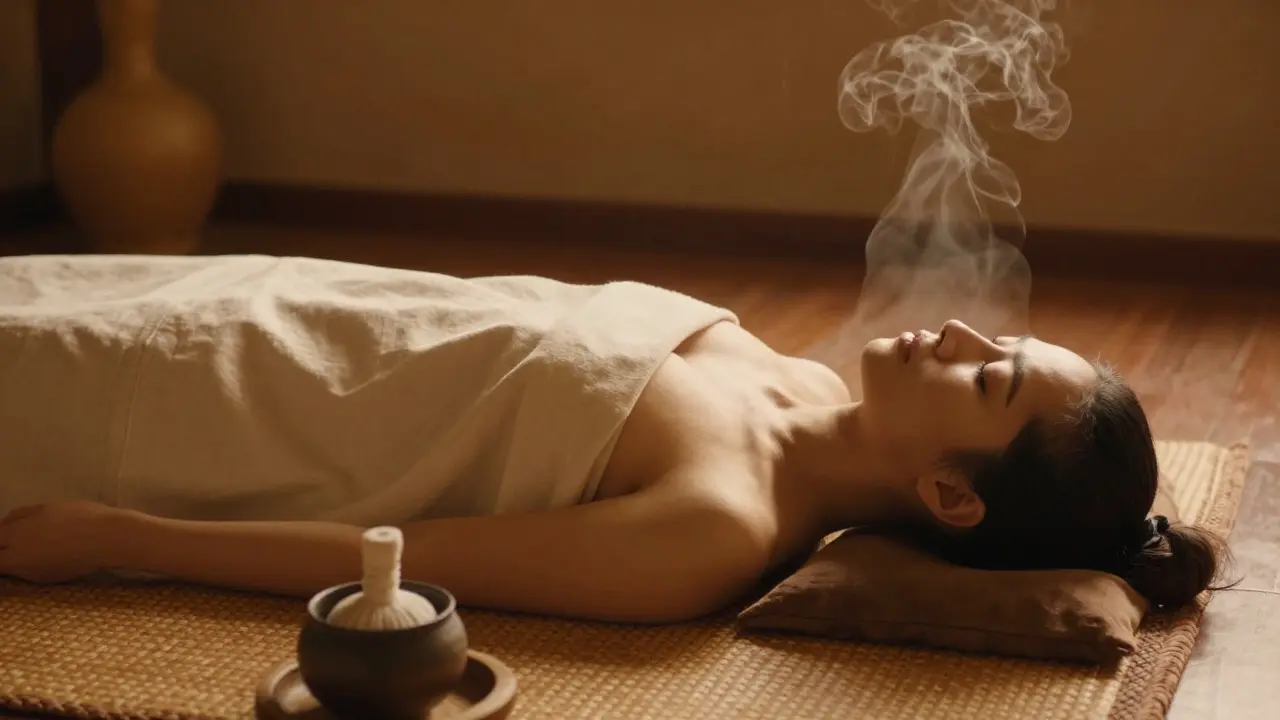
Have you ever felt a tension knot that just wouldn't budge? You might have tried deep tissue work or Swedish relaxation, but what if the answer lies in a tradition older than most modern spas? Laos massage is having a moment. It’s popping up in boutique studios from Chiang Mai to London, promising not just relief, but a reset of your entire energy system. But is it just another wellness buzzword, or does this ancient practice hold real value for your body?
The short answer: it’s real, it’s effective, and it’s distinct from its Thai cousin. While they share roots, Laos massage offers a unique blend of gentle pressure, rhythmic stretching, and aromatic herbs that many find more soothing yet equally powerful. If you’re curious about why everyone is talking about Lao healing arts, here is everything you need to know to decide if it’s right for you.
What Exactly Is Laos Massage?
At its core, Laos massage is a holistic healing practice rooted in Buddhist philosophy and traditional medicine. Unlike Western massage, which often focuses on muscles and fascia in isolation, Lao therapists view the body as a network of energy lines called Sun. Think of these lines like rivers; when they flow freely, you feel healthy. When they get blocked-by stress, poor posture, or injury-you feel pain or fatigue.
A typical session involves the therapist using their hands, thumbs, elbows, and knees to apply pressure along these energy lines. They also incorporate assisted yoga-like stretches. The goal isn’t just to relax your muscles; it’s to unblock those energy pathways so your body can heal itself. It’s active, it’s intentional, and yes, you usually stay fully clothed in loose, comfortable attire.
Is Laos massage painful?
It depends on your tolerance and the therapist's style. Traditional Lao massage can be firm because it targets deep energy blocks. However, it is generally less aggressive than Thai massage. Communication is key-tell your therapist if the pressure is too much, and they will adjust. Most people describe the sensation as "good pain," similar to the feeling after a good stretch.
The Herbal Compress: The Star of the Show
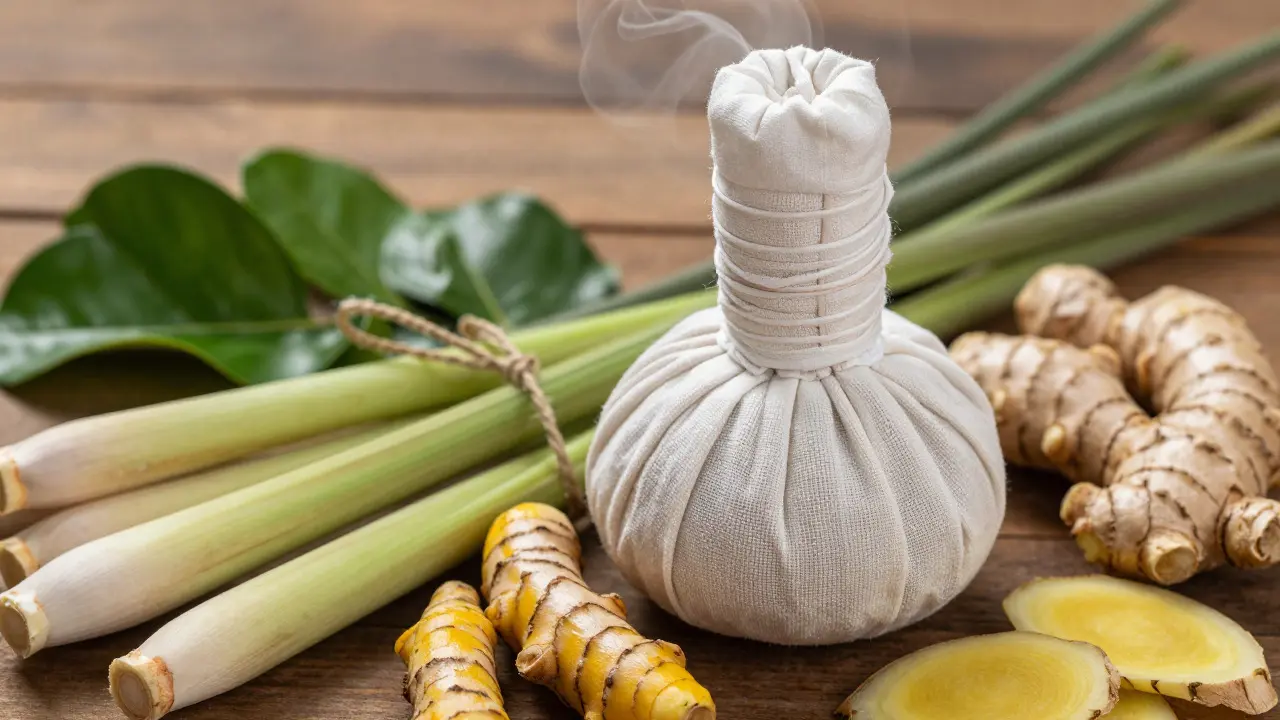
If there is one thing that sets Laos massage apart, it’s the Lao herbal compress, known locally as Kham Luang. Imagine a small cloth bag filled with a mix of dried herbs like lemongrass, turmeric, kaffir lime leaves, and ginger. The therapist heats this bundle until it steams and then presses it gently against your body.
This isn’t just about warmth. The heat opens your pores, allowing the essential oils and medicinal properties of the herbs to penetrate your skin. Turmeric reduces inflammation, while lemongrass eases muscle tension. Many clients report that the scent alone induces a state of deep calm before the physical benefits even kick in. It’s a sensory experience that engages smell, touch, and temperature all at once.
- Turmeric: Anti-inflammatory and warming.
- Lemongrass: Relaxes muscles and clears sinuses.
- Ginger: Improves circulation and warms cold joints.
- Kaffir Lime Leaves: Uplifting aroma that reduces stress.
Laos vs. Thai Massage: What’s the Difference?
You’ve probably heard of Thai massage. Since Thailand and Laos share borders and cultural history, the two practices look similar on the surface. Both involve mat-based work, stretching, and energy line manipulation. But the nuances matter, especially if you have specific health concerns.
| Feature | Laos Massage | Thai Massage |
|---|---|---|
| Pressure Style | Gentler, more rhythmic, flowing | Firmer, more acupressure-focused |
| Stretching Intensity | Moderate, focused on comfort | Deep, sometimes intense yoga poses |
| Herbal Use | Central to the practice (Kham Luang) | Common, but often an add-on |
| Philosophy | Holistic energy balance (Sun lines) | Anatomical and energy line focus |
| Best For | Stress relief, chronic tension, beginners | Deep tissue needs, flexibility training |
In short, if you want a vigorous workout for your muscles, go Thai. If you want a soothing, aromatic journey that melts away stress without bruising you, choose Laos. The Lao approach is often described as more "motherly"-nurturing rather than corrective.
Who Should Try Laos Massage?
This therapy isn’t for everyone, but it hits the sweet spot for several groups. Are you sitting at a desk all day? Your shoulders are likely hunched, blocking energy flow to your arms and neck. A Lao therapist will use gentle traction to open your chest and relieve that tightness. Do you suffer from anxiety? The combination of rhythmic breathing cues and herbal aromatherapy activates the parasympathetic nervous system, helping you switch off from "fight or flight" mode.
It’s also excellent for seniors or those with limited mobility. Because the therapist does the stretching for you, you don’t need to exert effort. This passive movement helps maintain joint range of motion without the strain of active exercise. Pregnant women often seek out specialized Lao prenatal massage to ease back pain and swelling, though you should always consult your doctor first and ensure the therapist has specific training in pregnancy care.
How to Find an Authentic Practitioner
As the trend grows, so does the risk of "wellness washing." Not every spa claiming to offer Laos massage actually knows the traditional techniques. Here is how to spot the real deal:
- Check Their Training: Look for certifications from recognized schools in Laos or Thailand. Reputable practitioners often studied under masters in Luang Prabang or Vientiane.
- Ask About Herbs: If they can’t explain the ingredients in their herbal compress or why they use them, that’s a red flag. Authentic therapists treat the herbs as medicine, not just decoration.
- Observe the Space: Traditional sessions often happen on a floor mat, not a raised table. While some modern adaptations use tables, the atmosphere should feel calm, perhaps with soft traditional music or incense.
- Consultation Matters: A good therapist will ask about your health history, pain points, and goals before touching you. They shouldn’t start with a generic routine.
Potential Risks and Precautions
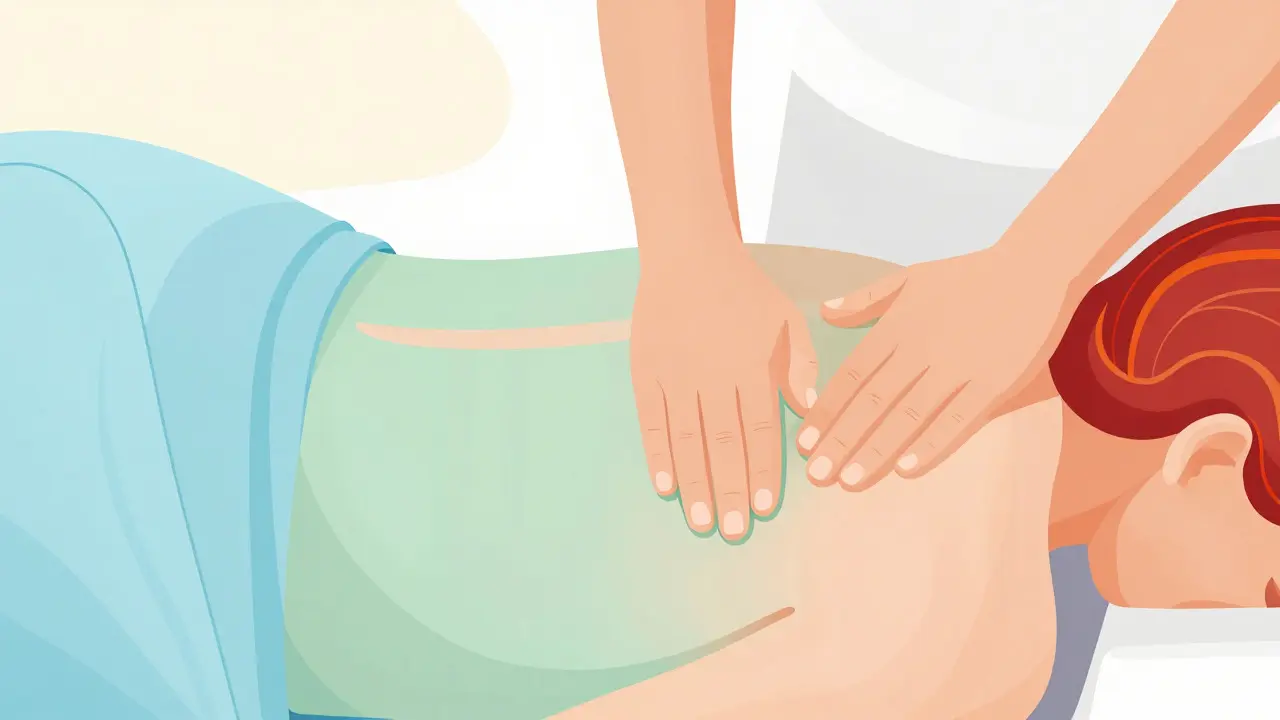
While generally safe, Laos massage is potent. The deep stretching can aggravate acute injuries if not handled correctly. If you have recent fractures, severe osteoporosis, or blood clots, avoid this therapy unless cleared by a physician. The heat from the herbal compress can also cause burns if the therapist isn’t careful, so always test the temperature with your hand first.
Hydration is crucial. After a session, your lymphatic system is working overtime to flush out toxins. Drink plenty of water within the next few hours to prevent headaches or fatigue. Some people feel lightheaded afterward-a sign that your energy levels are shifting. Take it easy for the rest of the day.
Bringing the Practice Home
You don’t need a professional session to benefit from Lao principles. You can create a mini-ritual at home. Buy a pre-made herbal compress pack online or make your own with dried lemongrass and ginger. Heat it in the microwave and place it on sore areas like your lower back or neck. Combine this with simple self-massage techniques: press your thumbs into the base of your skull or along your collarbones to stimulate energy flow.
Even incorporating mindful stretching into your morning routine can mimic the benefits. Focus on slow, deliberate movements while breathing deeply. The key is intention. Treat your body as a connected system, not just a collection of parts. That mindset shift is half the battle in maintaining long-term wellness.
Can I get Laos massage if I have sensitive skin?
Yes, but inform your therapist beforehand. The herbal compress contains strong essential oils that can irritate very sensitive or broken skin. Ask if they can use a lighter pressure or a different herb blend. You can also wear a thin cotton layer between the compress and your skin for protection.
How often should I receive Laos massage?
For general wellness, once a month is sufficient. If you are dealing with chronic pain or high stress, weekly sessions for a month can help break the cycle of tension. Listen to your body-if you feel refreshed and mobile, space it out. If you still feel stiff, keep going.
For general wellness, once a month is sufficient. If you are dealing with chronic pain or high stress, weekly sessions for a month can help break the cycle of tension. Listen to your body-if you feel refreshed and mobile, space it out. If you still feel stiff, keep going.
Does Laos massage help with insomnia?
Many clients report better sleep after a session. The release of physical tension combined with the calming effect of herbal aromas helps regulate cortisol levels. Try scheduling your massage in the early evening, avoiding late-night sessions that might leave you too energized.
Is Laos massage covered by insurance?
Rarely, unless prescribed by a doctor for a specific medical condition like chronic back pain. Most insurers classify it as alternative therapy. Check with your provider, but expect to pay out-of-pocket. Prices vary by location, but typically range from $60 to $120 per hour.
What should I wear to a Laos massage appointment?
Wear loose, comfortable clothing that allows for movement. Yoga pants and a t-shirt are ideal. Avoid jeans or tight waistbands. You will remain fully clothed, so choose fabrics that are breathable and non-restrictive. Bring socks if you tend to get cold feet during the session.
 Health and Wellness