
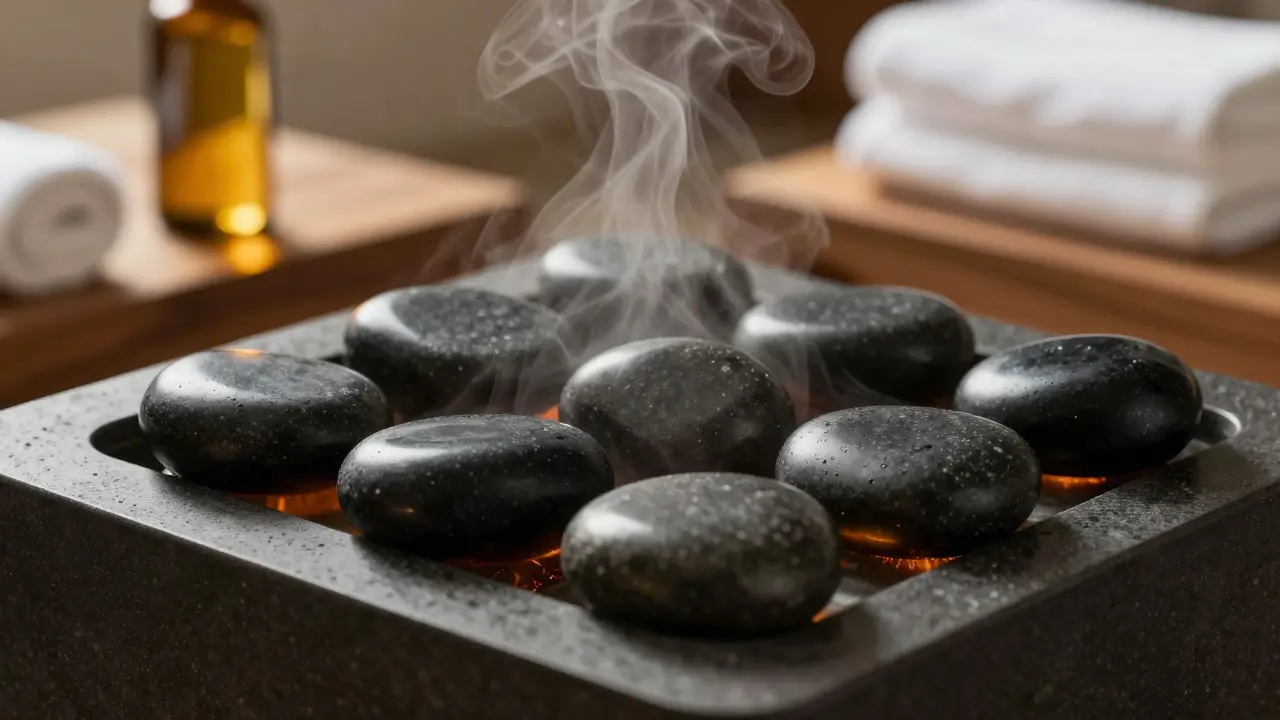
Stone massage, also known as hot stone therapy, is a form of alternative medicine that uses smooth, heated or chilled basalt stones placed on specific parts of the body. This technique isn't just about relaxation; it’s a precise method to deepen muscle release and improve circulation. Whether you are a seasoned therapist looking to expand your repertoire or a curious beginner, mastering these techniques requires understanding heat dynamics, anatomy, and safety protocols.
This guide covers everything from selecting the right stones to advanced placement strategies for pain relief and stress reduction.Understanding the Basics of Stone Therapy
Before you touch a single stone, you need to understand why this modality works. The core principle behind stone massage techniques is thermotherapy. Heat dilates blood vessels, allowing oxygen-rich blood to flow more freely to tight muscles. Cold constricts vessels, reducing inflammation and numbing acute pain. Most practitioners use a combination of both, but the foundation starts with heat.
The stones themselves matter. You aren’t just picking up any rock from the garden. Professional therapists use polished black basalt stones. Why basalt? It’s a volcanic rock with high thermal mass, meaning it holds heat longer than granite or marble without becoming scorching hot. The surface must be smooth to prevent skin abrasion during gliding strokes. If your stones have sharp edges or porous surfaces, they are unsafe for direct skin contact.
Essential Equipment and Preparation
You can’t master the technique if your setup is wrong. Here is what you need to prepare before a session:
- Basalt Stones: A set ranging from small (for hands/feet) to large (for back/chest). Aim for at least 10-15 stones per session.
- Stone Heater: An electric warmer with adjustable temperature settings. Digital heaters are safer because they maintain consistent heat, preventing accidental burns.
- Cold Storage: A container filled with ice water or a refrigerator drawer dedicated to chilling stones for contrast therapy.
- High-Quality Oil: Use a lubricant that doesn’t evaporate quickly. Sweet almond oil or fractionated coconut oil works well. Avoid thick balms that might trap heat too aggressively against the skin.
- Towels and Linens: Extra towels are crucial. Wet linens from condensation or spilled oil can cause slipping hazards.
Always test the stone temperature on your own inner wrist before applying it to a client. The ideal temperature for most adults is between 110°F and 120°F (43°C - 49°C). Anything above 130°F (54°C) risks first-degree burns within minutes.
Core Techniques: Placement vs. Gliding
There are two primary ways to apply stones: static placement and active manipulation. Mastering both allows you to tailor the treatment to the client’s needs.
Static Placement (Chakra Points)
This involves placing heated stones on key energy points or trigger points and leaving them there for several minutes. Common locations include:
- Between the shoulder blades: Targets upper back tension and improves posture.
- Along the spine: Never place stones directly on the spine. Place them parallel to the vertebrae on either side to warm the paraspinal muscles.
- Palms and soles: Placing small stones in the palms helps relax the grip and reduces anxiety. Stones under the feet ground the body and relieve plantar fasciitis.
When using static placement, ensure the stones are stable. A sliding stone can startle a client or cause friction burns. Cover the stones with a thin towel if the client has sensitive skin or diabetes-related neuropathy.
Gliding Strokes (Effleurage)
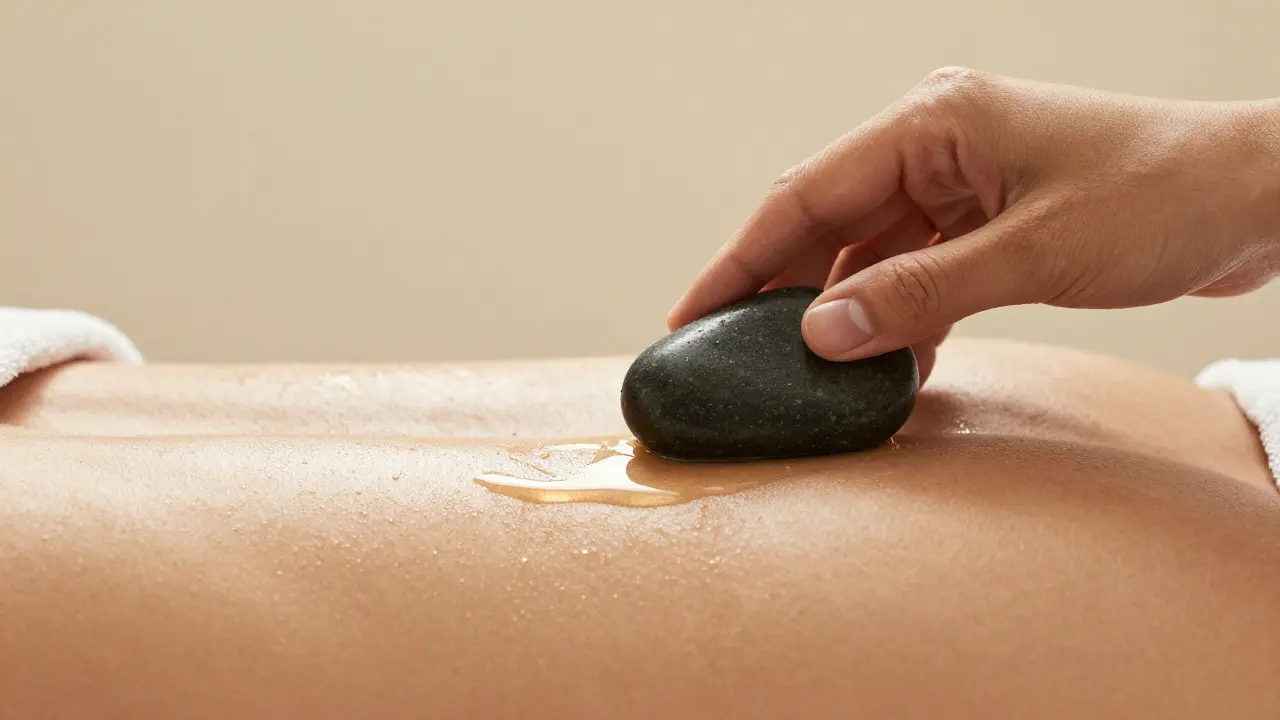
Holding a heated stone like an extension of your hand allows for deeper work. The heat softens the fascia, allowing you to glide through tissue layers with less pressure than traditional massage.
- Grip: Hold the stone firmly but comfortably. Your fingers should wrap around the wider end, letting the tapered end lead the stroke.
- Lubrication: Apply oil generously. Dry stones create drag, which defeats the purpose of smooth, relaxing strokes.
- Motion: Use long, sweeping effleurage strokes along the length of the muscle fibers. For example, glide down the hamstrings from knee to buttock.
- Petrisage: Lift and squeeze muscle tissue while holding the stone against it. This combines compression with heat penetration.
A common mistake is pressing too hard. Let the weight of the stone do the work. If you find yourself straining, the stone is likely too light or your angle is off. Adjust your wrist position to follow the natural contour of the body.
Incorporating Cold Stones for Contrast Therapy
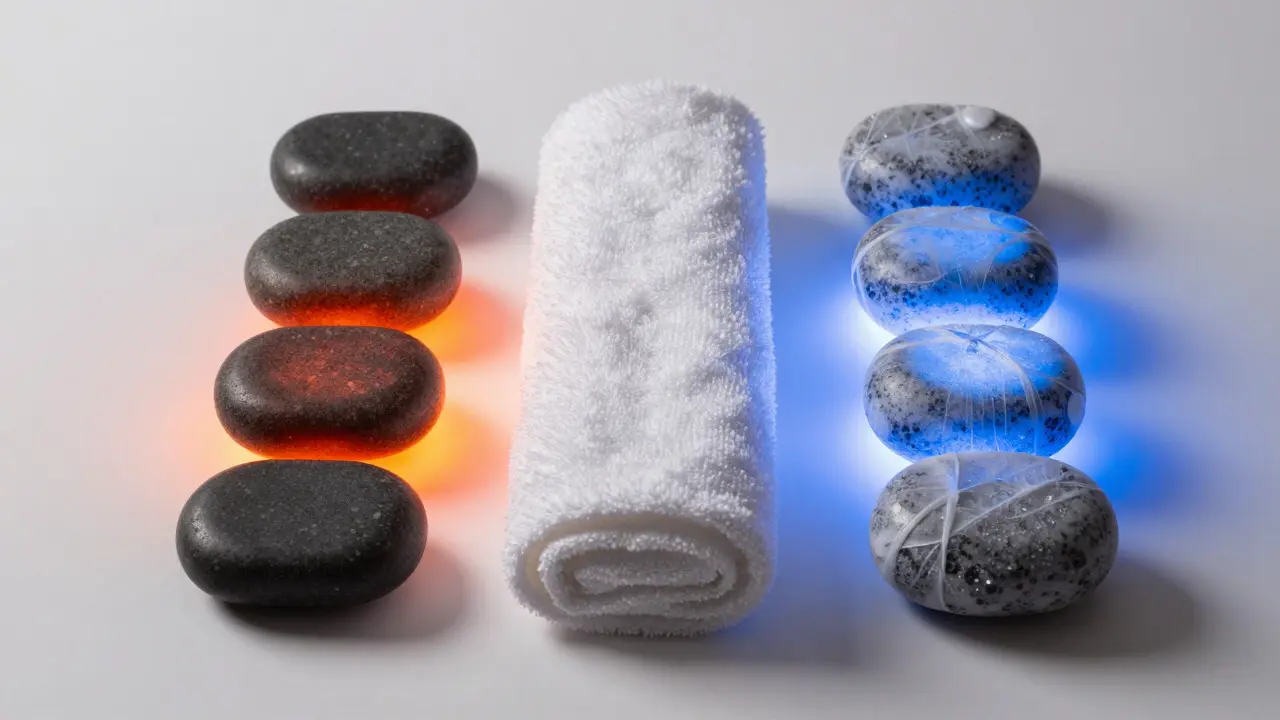
Cold stone therapy is often overlooked but powerful for athletes or clients with acute injuries. Chilled stones reduce swelling and numb pain receptors. You can alternate hot and cold stones-a technique called contrast hydrotherapy-to stimulate circulation.
For example, after working out a tight lower back with hot stones, place a cold stone over the same area for one minute. This “vascular dance” pumps fresh blood into the tissue, flushing out metabolic waste like lactic acid. Always finish a session with warmth unless treating an acute inflammatory condition, as ending with cold can leave muscles feeling stiff.
Safety Protocols and Contraindications
Stone massage is safe for most people, but not everyone. Before starting, screen for contraindications. Do not perform hot stone therapy on clients with:
- Diabetes: Reduced sensation means they may not feel a burn until damage occurs.
- Cardiovascular Issues: Extreme heat can affect blood pressure and heart rate.
- Open Wounds or Infections: Risk of contamination and increased pain.
- Pregnancy: Avoid placing stones on the abdomen or lower back, especially in the first trimester.
- Nerve Disorders: Conditions like multiple sclerosis or neuropathy alter heat sensitivity.
Always ask about medications. Blood thinners increase bruising risk, while certain antidepressants can affect temperature regulation. When in doubt, consult the client’s physician or modify the treatment to use only mild warmth and gentle touch.
Advanced Tips for Mastery
To truly excel, focus on intuition and feedback. Pay attention to the client’s breathing. Deep, rhythmic breaths indicate relaxation. Shallow or held breaths suggest discomfort or pain. Adjust your pressure or stone temperature accordingly.
Practice consistency in your routine. Develop a standard sequence-perhaps starting with static placement on the back, moving to gliding on the legs, and finishing with palm stones. This structure builds confidence and ensures no major muscle groups are missed. Over time, you’ll learn how different bodies respond to heat. Some clients melt instantly; others need more mechanical pressure alongside the thermal element.
How long does a typical stone massage session last?
A standard stone massage usually lasts between 60 to 90 minutes. Shorter sessions (30-45 minutes) focus on specific areas like the back or shoulders, while full-body treatments allow for comprehensive relaxation and muscle release.
Can I do stone massage at home?
Yes, but caution is required. Home kits are available, but without proper training, there is a higher risk of burns. Start with low temperatures, use plenty of oil, and never leave heated stones unattended on the skin. It is best to have a partner assist you initially.
What type of oil is best for hot stone massage?
Use lightweight, non-comedogenic oils like sweet almond, jojoba, or fractionated coconut oil. These provide excellent slip without clogging pores. Avoid heavy creams or butter-based products, as they can insulate the skin too much and trap excessive heat.
Are hot stones safe for people with sensitive skin?
They can be, if precautions are taken. Place a thin cotton towel between the stone and the skin to buffer the heat. Lower the stone temperature slightly and check in frequently with the client to ensure comfort.
How often should I replace my massage stones?
Basalt stones are durable and can last for years if cared for properly. Replace them if they develop cracks, chips, or rough spots. Clean them with mild soap and water after each use, and sanitize with a medical-grade disinfectant to prevent cross-contamination.
 Health and Wellness