
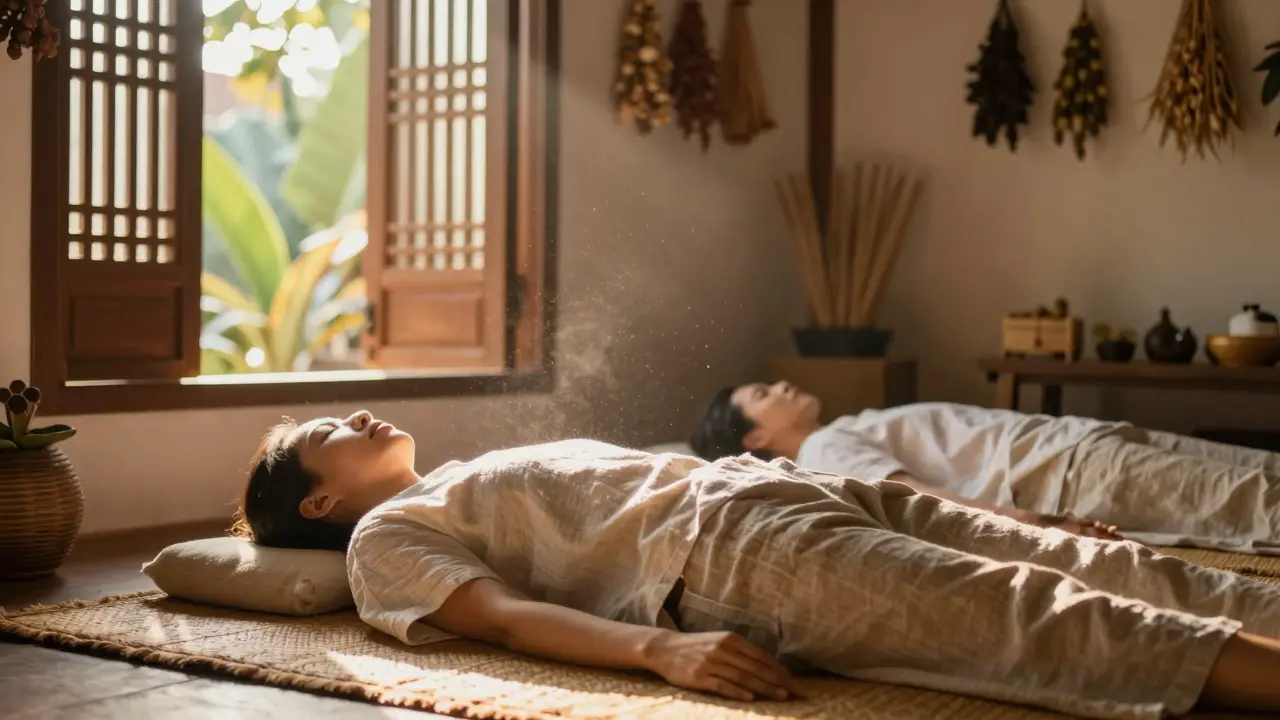
Have you ever felt that deep, stubborn knot in your back that just won’t budge? You’ve tried foam rolling, stretching, maybe even a standard Swedish massage, but the tension remains. That’s where Laos massage steps in. It isn’t just a relaxation technique; it is a centuries-old medical practice rooted in the belief that health depends on the free flow of energy and blood through specific pathways in the body.
Unlike the soft, gliding strokes of Western massages, Lao massage (often called *Nuad Boran* or Ancient Massage) is dynamic, rhythmic, and sometimes intense. It combines acupressure, Indian Ayurvedic principles, and Chinese meridian theory. If you are looking for a way to reset your body after months of stress, poor posture, or chronic pain, understanding this unique therapy might be exactly what you need.
What Is Laos Massage?
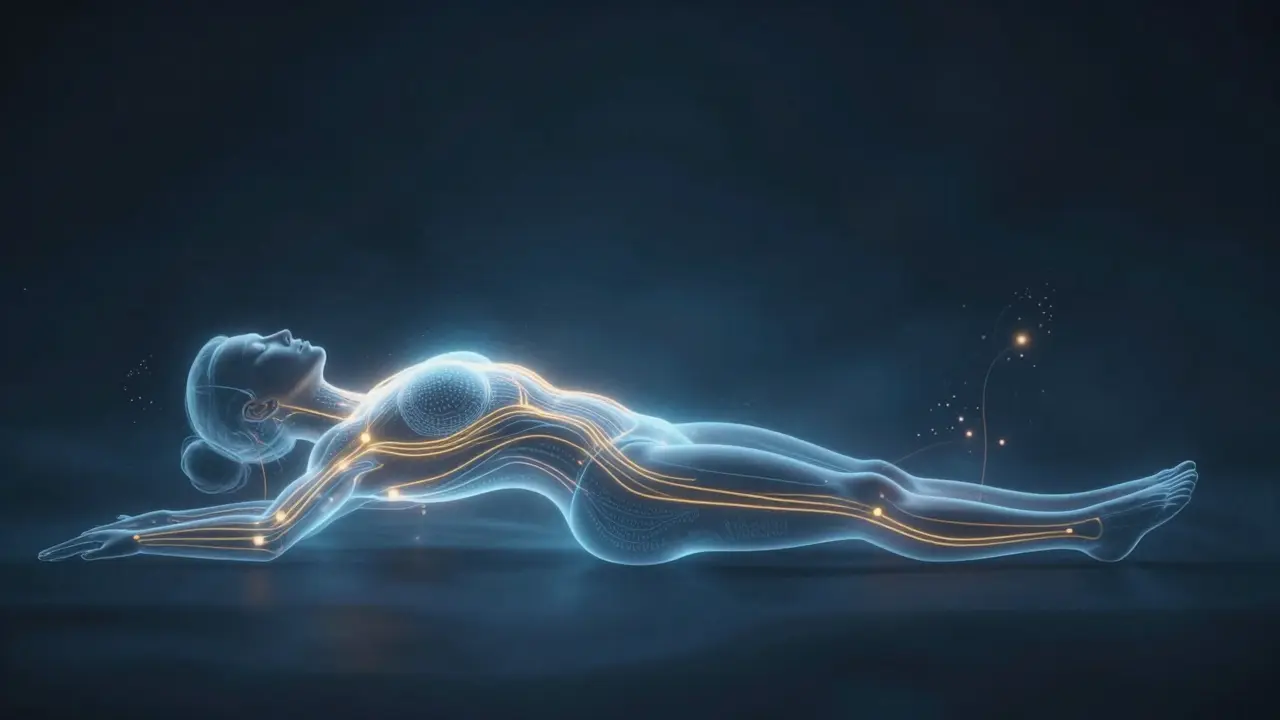
To understand why Laos massage works, you first have to look at its origins. This practice didn't start in a spa; it started in temples. For hundreds of years, Buddhist monks in Laos used these techniques to treat illnesses and injuries when modern medicine was unavailable. The core philosophy is simple: the body has invisible lines of energy, known as *Sen* lines. When these lines are blocked by toxins, stress, or trauma, pain and disease follow.
The goal of the therapist is to unblock these Sen lines. They do this by applying pressure, stretching, and using their hands, elbows, knees, and feet to manipulate the muscles and joints. Think of it less like a rub-down and more like a guided yoga session mixed with deep tissue work. You will likely remain fully clothed during the session, usually wearing comfortable, loose-fitting attire provided by the clinic or bringing your own gym clothes.
How It Differs From Other Massages
If you are used to Thai massage, you might think Lao massage is identical. While they share roots, there are distinct differences. Thai massage tends to be more structured and rhythmic, often focusing on long, flowing stretches. Lao massage is generally considered more intuitive and vigorous. The therapist may apply deeper pressure and hold stretches longer to break up adhesions in the muscle tissue.
Compare this to a typical Swedish massage, which uses oil and light touch to promote relaxation and improve circulation. Lao massage uses no oil. The friction from the therapist’s hands against your clothing helps generate heat, which warms up the muscles and makes them more pliable for stretching. This dry technique also means you don’t have to worry about slipping off the table, allowing for more complex movements.
| Feature | Laos Massage | Thai Massage | Swedish Massage |
|---|---|---|---|
| Pressure Level | Deep to Very Deep | Moderate to Deep | Light to Moderate |
| Technique | Acupressure, Elbows, Feet, Stretching | Rhythmic Compression, Yoga-like Stretches | Effleurage, Petrissage, Tapotement |
| Clothing | Fully Clothed | Fully Clothed | Nude (under sheet) |
| Oil Used | No | No | Yes |
| Primary Goal | Pain Relief, Energy Flow | Flexibility, Relaxation | Relaxation, Circulation |
The Core Techniques: What Happens During a Session?
Walking into a Lao massage session can feel intimidating if you haven’t experienced it before. The therapist starts by assessing your body. They might ask about areas of pain or simply observe your posture. Once you lie down on the mat, the work begins at the feet and moves upward, or vice versa, depending on the practitioner’s style.
Here is what you can expect:
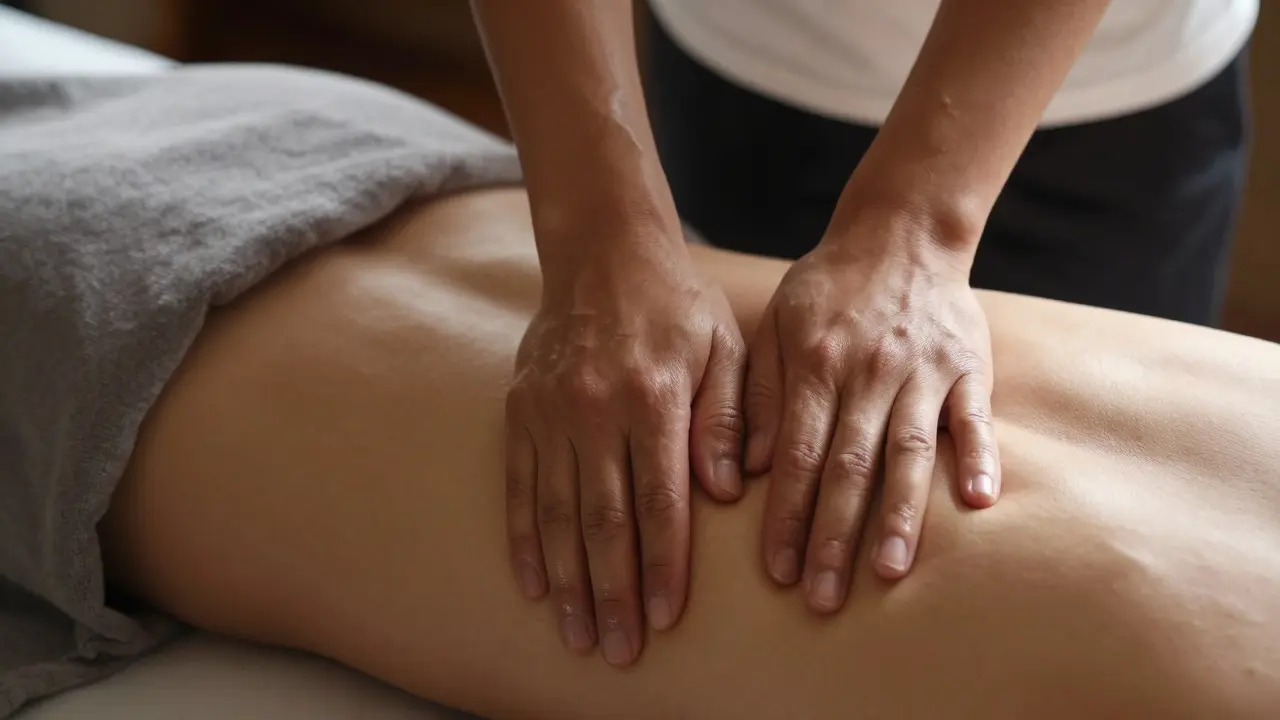
- Palmar Pressure: The therapist uses the heels of their palms to press firmly along your meridians. This feels like a deep, satisfying compression that releases tension immediately.
- Elbow Work: For tougher knots, especially in the shoulders and back, the therapist uses their elbows. This provides concentrated pressure that fingers cannot achieve. It can be intense, so communication is key.
- Knee and Foot Leverage: You might see the therapist use their knees to push against your thigh while pulling your arm, creating a powerful stretch. They may also walk on your back, using their body weight to distribute pressure evenly across your spine.
- Passive Stretching: Similar to yoga, you are moved into various positions. Your legs might be pulled over your head, or your arms stretched behind your back. These stretches improve joint mobility and lengthen tight muscles.
The session typically lasts 60 to 90 minutes. By the end, you should feel lighter, more flexible, and significantly less tense. Some people experience mild soreness the next day, similar to how you feel after a good workout, but this usually fades within 24 hours.
Health Benefits Beyond Relaxation
While relaxation is a huge bonus, the real power of Laos massage lies in its therapeutic benefits. Because it targets the nervous system and musculoskeletal structure simultaneously, it offers a wide range of health improvements.
First, it is excellent for chronic pain management. Conditions like lower back pain, sciatica, and neck stiffness respond well to the deep pressure and stretching involved. By releasing trigger points and improving alignment, the massage reduces the strain on nerves and joints.
Second, it boosts circulation. The rhythmic compression acts like a pump, pushing stagnant blood and lymph fluid out of tissues. This helps reduce swelling and detoxifies the body. Improved blood flow also means more oxygen reaches your cells, which aids in recovery and energy levels.
Third, it enhances flexibility and range of motion. Regular sessions can loosen stiff hips and shoulders, making everyday movements easier. Athletes often use Lao massage to maintain peak performance and prevent injuries by keeping their muscles supple.
Finally, there is the mental health aspect. The combination of physical release and mindful breathing during the stretches activates the parasympathetic nervous system. This lowers cortisol levels, reducing anxiety and promoting better sleep. Many clients report feeling mentally clearer and more focused after a session.
Who Should Try Laos Massage?
Laos massage is not for everyone, but it is ideal for specific groups. If you sit at a desk all day, your hips are likely tight and your shoulders hunched. A Lao massage can reverse some of the damage caused by prolonged sitting. It is also great for athletes who need deep tissue work without the use of oils or lotions.
People suffering from insomnia or high stress often find relief because the therapy forces the body to let go of physical tension, which in turn calms the mind. Even if you are skeptical about "energy lines," the mechanical benefits of stretching and pressure are undeniable.
However, caution is advised for certain conditions. If you have osteoporosis, recent fractures, or severe arthritis, the deep pressure and stretching could cause injury. Pregnant women should consult their doctor before trying this style, as some positions may not be safe. Always inform your therapist of any injuries or health issues before starting.
Finding a Qualified Practitioner
Not all massage therapists are trained in authentic Lao techniques. With the rise of wellness tourism, many spas offer "Lao-style" massages that are actually diluted versions of Thai massage. To get the true healing power, look for practitioners who have studied in Laos or under certified masters of Lao traditional medicine.
Check their credentials. Do they mention training in *Nuad Boran*? Do they explain the concept of Sen lines? A knowledgeable therapist will assess your body and adjust the pressure accordingly, rather than following a rigid script. Reading reviews can also help; look for mentions of "deep," "stretching," and "therapeutic" rather than just "relaxing."">
If you are traveling to Southeast Asia, visiting local clinics in Luang Prabang or Vientiane offers an authentic experience. In other parts of the world, seek out specialized holistic health centers that focus on Asian traditional therapies. Don’t be afraid to ask questions during your consultation. A good therapist wants you to feel safe and informed.
Tips for Your First Session
Preparing for your first Laos massage can make the experience much more enjoyable. Start by eating a light meal at least two hours before your appointment. You don’t want to be hungry, but you also don’t want a full stomach pressing against your diaphragm during abdominal pressure.
Dress comfortably. Wear clothes that allow for movement-leggings and a t-shirt are perfect. Avoid jewelry, belts, or anything restrictive. Bring water to drink afterward to help flush out toxins released from the muscles.
Communicate openly. If the pressure is too hard, say so. Lao massage can be intense, but it should never be painful. The therapist needs your feedback to tailor the session to your tolerance level. Remember, you are in control. Taking deep breaths during stretches will also help your muscles relax and accept the new range of motion.
Integrating Lao Principles Into Daily Life
You don’t need a professional therapist to benefit from Lao massage principles. You can incorporate self-massage and stretching into your daily routine. Use a tennis ball to apply pressure to trigger points in your feet or back. Practice simple yoga poses that mimic the stretches used in the therapy, such as pigeon pose for hips or child’s pose for the back.
Focusing on your Sen lines can also mean paying attention to your posture and breathing throughout the day. Stand tall, keep your shoulders relaxed, and take deep breaths to keep your energy flowing. Small adjustments in how you move and sit can prevent the buildup of tension that requires deep massage to fix later.
Is Laos massage painful?
It can be intense, but it shouldn't be unbearable. The deep pressure and stretching may cause discomfort, especially if you have chronic tension. However, you should always communicate with your therapist to adjust the intensity. Pain is a signal to slow down, not push through.
Do I need to remove my clothes for Laos massage?
No, you remain fully clothed. Comfortable, stretchy clothing is recommended to allow for the extensive stretching and movement involved in the session. No oils are used, so there is no risk of slipping or staining your clothes.
How often should I get a Laos massage?
For chronic pain or significant stiffness, weekly sessions may be beneficial initially. For maintenance and general wellness, once a month is usually sufficient. Listen to your body; if you feel sore or tight, a session can help reset your system.
Can Laos massage help with back pain?
Yes, it is highly effective for back pain. The combination of deep tissue pressure and spinal stretching helps relieve muscle tension, improve alignment, and increase blood flow to the affected area. Many people experience immediate relief after a session.
What is the difference between Lao and Thai massage?
While similar, Lao massage is often more intuitive and vigorous, using more elbow and foot pressure. Thai massage tends to be more rhythmic and structured. Both involve stretching and acupressure, but Lao massage may feel deeper and more targeted for pain relief.
 Health and Wellness