
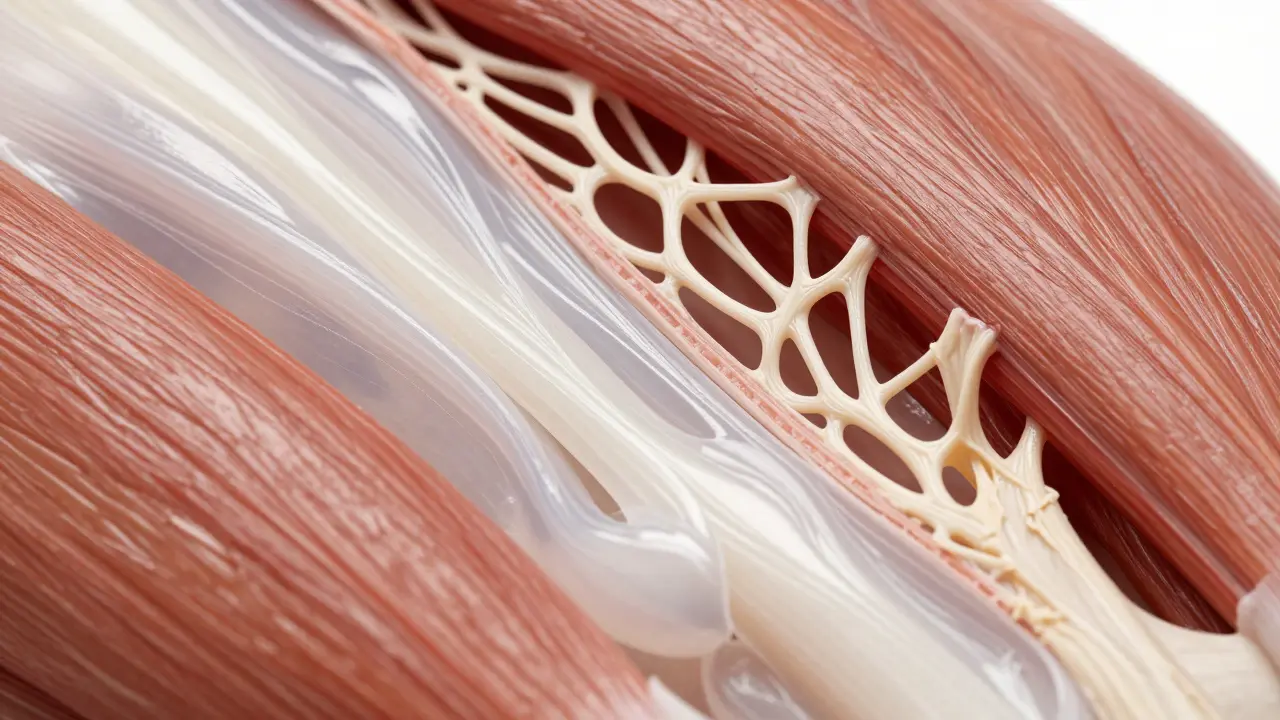
Have you ever felt a tightness in your muscles that just wouldn’t go away, no matter how much you stretched? You might be dealing with restricted fascia, the connective tissue that wraps around every muscle, bone, and organ in your body. When this web-like structure gets stuck or tight, it can cause chronic pain, limited mobility, and even headaches. This is where Myofascial Release Therapy comes in.
Myofascial Release (MFR) is a gentle but effective hands-on technique used by physical therapists and massage practitioners to eliminate pain and restore motion. Unlike traditional massage that focuses on kneading muscles, MFR targets the fascia directly. By applying sustained pressure to specific areas, therapists help the fascia relax and return to its normal elasticity. Think of it as untangling a knotted piece of fabric rather than just smoothing out the surface.
Understanding Fascia and Myofascial Pain Syndrome
To understand why MFR works, you first need to know what fascia actually does. Fascia is a continuous sheet of connective tissue that surrounds muscles, groups of muscles, blood vessels, and nerves. Imagine an orange: the peel is the superficial fascia, while the white pith holding the segments together is the deep fascia. In a healthy body, this tissue is hydrated and slippery, allowing muscles to glide smoothly against each other.
However, when you experience trauma, inflammation, or repetitive stress, the fascia can become dehydrated and sticky. It forms adhesions-essentially scar tissue-that restrict movement. This condition is often referred to as Myofascial Pain Syndrome, a chronic pain disorder caused by trigger points in the fascia. These trigger points are hyperirritable spots in skeletal muscle that are associated with palpable nodules in taut bands. If you’ve ever felt a "knot" in your shoulder or back, you’ve experienced a myofascial trigger point.
The problem with these knots is that they don’t just hurt locally. Because fascia is connected throughout the entire body, tension in your neck can refer pain down your arm, or tightness in your hips can cause lower back pain. This interconnected nature makes diagnosing the source of pain tricky without a professional assessment.
How Myofascial Release Therapy Differs from Other Treatments
Many people confuse MFR with deep tissue massage or trigger point therapy, but there are distinct differences in approach and intent.
| Technique | Primary Target | Pressure Level | Movement Style |
|---|---|---|---|
| Myofascial Release | Fascia and connective tissue | Gentle to moderate, sustained | Slow stretching and holding |
| Deep Tissue Massage | Deep muscle layers | Firm to intense | Kneading and friction |
| Trigger Point Therapy | Specific muscle knots | High pressure on focal points | Static compression |
| Swedish Massage | Superficial muscles and circulation | Light to moderate | Long strokes and rhythmic tapping |
The key difference lies in the duration and direction of the pressure. In MFR, a therapist will find a barrier in the fascia and apply gentle, constant pressure for three to five minutes. They wait for the tissue to "melt" or release. This is not about forcing the tissue open; it’s about encouraging the body’s natural healing response. Deep tissue massage, by contrast, uses friction to break up adhesions through mechanical force, which can sometimes be painful.
Benefits of Myofascial Release for Chronic Pain
So, what exactly can MFR do for you? The benefits extend far beyond temporary relaxation. Here are some of the most common conditions that respond well to this therapy:
- Chronic Back and Neck Pain: By releasing tension in the thoracic and lumbar fascia, MFR can significantly reduce stiffness and improve posture.
- Headaches and Migraines: Tightness in the scalp fascia and neck muscles is a leading cause of tension headaches. Releasing these areas can decrease frequency and intensity.
- Plantar Fasciitis: This painful condition affects the bottom of the foot. MFR helps stretch and hydrate the plantar fascia, reducing heel pain.
- Post-Surgical Recovery: After surgery, scar tissue can bind tissues together. Gentle MFR can help remodel this tissue and restore range of motion.
- Temporomandibular Joint Disorder (TMJ): Jaw pain often stems from fascial restrictions in the face and neck. MFR can alleviate jaw clicking and pain.
A study published in the Journal of Bodywork and Movement Therapies found that patients with chronic low back pain reported significant reductions in pain scores after a series of MFR sessions compared to those who received only standard care. The improvement wasn’t just in pain levels but also in functional ability, meaning patients could move more freely in their daily lives.

What to Expect During a Session
If you’re new to MFR, you might wonder if it will hurt. The short answer is: it shouldn’t. While you may feel some discomfort as the therapist locates tight areas, the process itself is generally gentle. Here’s a typical session breakdown:
- Assessment: Your therapist will ask about your pain history and perform a physical exam. They’ll move your joints to check for restrictions and palpate your muscles to find tender spots.
- Positioning: You’ll lie on a treatment table, usually fully clothed unless specific areas require skin contact. Comfort is key, so props like pillows or bolsters are often used.
- Application: The therapist applies light to moderate pressure to the affected area. They will hold this position for several minutes, asking you to breathe deeply. Breathing helps activate the parasympathetic nervous system, which promotes relaxation and tissue release.
- Feedback: Communication is crucial. If something hurts sharply, say so. The goal is a "good hurt"-a sense of stretching or melting-not acute pain.
- Reassessment: After the release, the therapist will recheck your range of motion. Often, you’ll notice immediate improvement in flexibility.
Sessions typically last between 60 and 90 minutes. Depending on the severity of your condition, you might need anywhere from one to six sessions to see lasting results.
Self-Myofascial Release: DIY Techniques at Home
You don’t always need a therapist to get relief. Self-myofascial release (SMR) allows you to treat yourself using simple tools. This is particularly useful for maintenance between professional sessions.
The most common tool for SMR is a foam roller, a cylindrical foam cylinder used for self-massage. Other options include lacrosse balls, tennis balls, or specialized sticks like the TheraGun or TriggerPoint Performance Ball.
Basic Foam Rolling Routine
- Upper Back: Lie perpendicular across the roller, with it under your mid-back. Support your head with your hands and gently roll from your shoulders to your lower back. Avoid rolling directly on the spine.
- Glutes: Sit on the roller with one ankle crossed over the opposite knee (figure-four position). Lean into the tight side and make small circles to work out knots.
- Calves: Sit with legs extended and place the roller under your calves. Use your arms to lift your hips and roll from your ankles to just below your knees.
Remember to move slowly. Spend 30 to 60 seconds on each tight spot. Breathe deeply through any discomfort. Hydration is also critical; drinking water before and after SMR helps keep the fascia pliable.

Risks and Precautions
While MFR is generally safe, it’s not suitable for everyone. You should avoid MFR or consult a doctor first if you have:
- Acute injuries or fractures
- Blood clots or thrombosis
- Severe osteoporosis
- Open wounds or infections in the treatment area
- Certain types of cancer or metastatic disease
Also, be aware of "post-treatment soreness." Some people feel slightly achy for 24 hours after a session, similar to how you feel after a good workout. This is normal and indicates that the tissues are adjusting. Stay hydrated and rest if needed.
Finding a Qualified Practitioner
Not all massage therapists are trained in MFR. Look for professionals with specific certifications such as John Barnes Myofascial Release or Balboa Institute Certification. Physical therapists (PTs) and chiropractors often incorporate MFR into their practice as well.
When booking, ask about their experience with your specific condition. A good practitioner will explain their approach and set realistic expectations for your recovery timeline.
Does myofascial release really work?
Yes, numerous studies support the effectiveness of MFR for chronic pain conditions. It works by physically altering the structure of the fascia, reducing tension, and improving blood flow. Many patients report long-term relief after a series of treatments.
How many sessions do I need?
It depends on the severity and duration of your pain. Acute issues might resolve in 1-3 sessions, while chronic conditions may require 6-10 sessions. Maintenance sessions once a month can help prevent recurrence.
Is myofascial release painful?
It should not be painful. You may feel pressure or mild discomfort as tight areas release, but sharp pain is a sign to stop. The technique relies on gentle, sustained pressure rather than aggressive manipulation.
Can I do myofascial release at home?
Absolutely. Self-myofascial release using foam rollers or massage balls is highly effective for maintenance. However, for deep-seated issues, professional guidance is recommended initially to ensure you’re targeting the right areas safely.
Does insurance cover myofascial release?
Coverage varies by provider and plan. If performed by a physical therapist or chiropractor for a diagnosed medical condition, it may be covered. Standalone massage therapy is rarely covered. Always check with your insurer beforehand.
 Health and Wellness