
Have you ever noticed how you automatically tense your shoulders when you sit at a computer, or how you favor one leg when you stand in line? These tiny, unconscious habits build up over years. They lead to stiffness, lower back pain, and that general feeling of being 'worn out' before you’ve even started your day. Most people try to fix this by stretching harder or exercising more. But what if the problem isn’t weakness? What if it’s simply a lack of awareness about how your body moves?
This is where Feldenkrais training comes in. It is not a massage, it is not physical therapy, and it is certainly not yoga. It is a method of somatic education that teaches you to move with less effort and greater ease. Developed by Moshé Feldenkrais, a physicist and judo black belt from Israel, this approach focuses on the nervous system. It asks a simple but powerful question: How do you move right now, and could you move differently?
The Core Philosophy: Learning to Move Differently
Most of us think we know how our bodies work. We assume that if we want to lift our arm, our brain sends a signal, and the arm goes up. Simple, right? Not quite. Your brain relies on maps-internal representations of your body. If those maps are outdated or distorted due to old injuries, poor posture, or stress, your movements become inefficient. You might use ten muscles to do a job that only requires three.
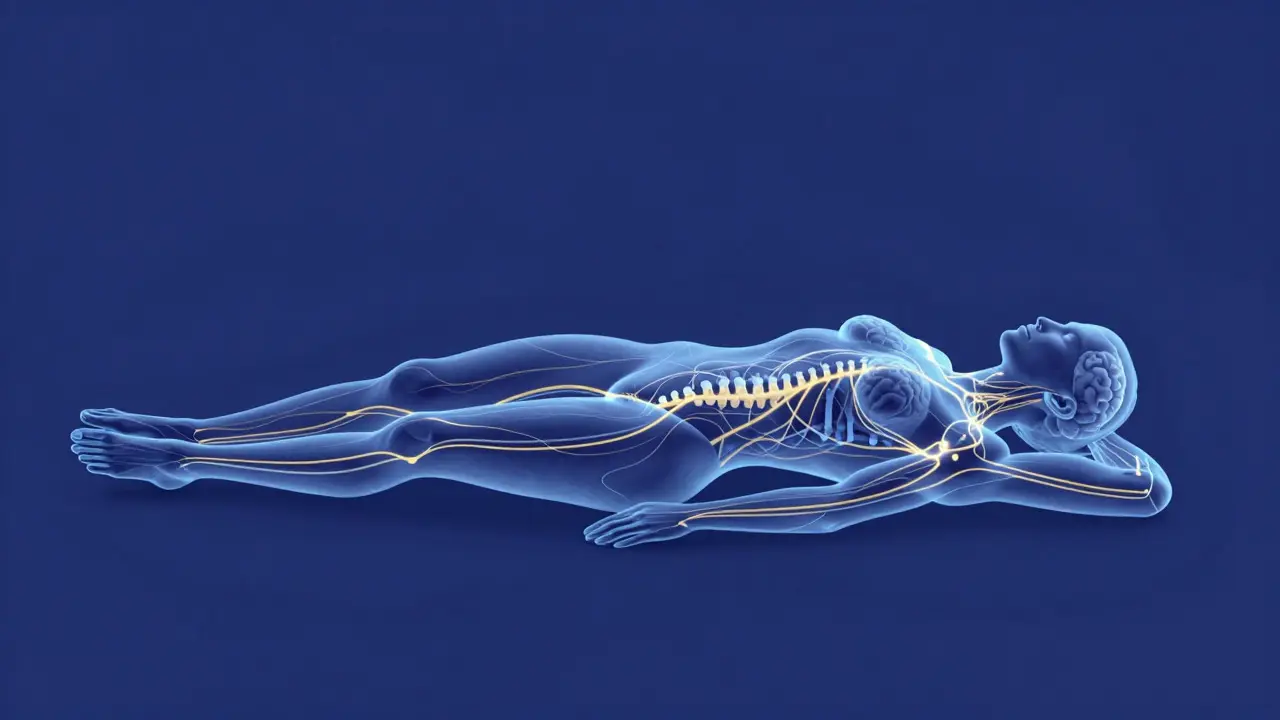
Feldenkrais Method works by updating these neural maps. It does this through gentle, mindful exploration. Instead of forcing your body into a new shape, you discover new options for movement. This process is called neuroplasticity-the brain's ability to reorganize itself by forming new neural connections. When you learn to move with less tension, your brain literally rewires itself to make that efficient movement the default.
Think of it like learning a new language. At first, speaking French feels awkward and slow. You have to think about every word. But with practice, it becomes automatic. Feldenkrais training applies this same principle to your physical life. You learn to notice small details in your movement, and over time, smooth, effortless motion becomes your new normal.
Two Main Paths: ATMs and Functional Integration
If you decide to explore this method, you will encounter two distinct formats. Understanding the difference helps you choose what fits your needs best.
| Feature | Awareness Through Movement (ATM) | Functional Integration (FI) |
|---|---|---|
| Format | Group lessons | One-on-one session |
| Interaction | Instructor guides verbal instructions | Practitioner uses gentle touch |
| Clothing | Comfortable clothes, usually seated or lying down | Loose clothing, fully clothed, lying on a table |
| Focus | General movement patterns and self-discovery | Individualized issues like pain or specific limitations |
| Goal | Build body awareness and habit change | Personalized integration and structural release |
Awareness Through Movement (ATM) is the group side of things. In an ATM lesson, a teacher guides you through a series of slow, deliberate movements. You might be lying on your back, rolling your pelvis, or shifting your weight. The key is not to perform perfectly. The goal is to pay attention. You notice where you feel resistance, where you feel ease, and how your breathing changes. These lessons often last 45 minutes and focus on a specific theme, such as walking, sitting, or turning.
Functional Integration (FI) is the private, hands-on component. Here, a certified practitioner works with you individually. You lie on a treatment table, fully clothed. The practitioner uses very light touch to guide your movements. They might gently move your arm while you breathe, or shift your head position. This interaction stimulates your sensory receptors, helping your brain recognize new possibilities for alignment and balance. It is deeply relaxing and highly personalized.
Who Actually Benefits From This Training?
You don’t need to be in pain to benefit from Feldenkrais. In fact, many high-performers use it to prevent injury and enhance their craft. However, certain groups find it particularly transformative.
- People with Chronic Pain: Whether it’s lower back pain, neck tension, or knee issues, Feldenkrais helps identify the unnecessary muscular guarding that perpetuates pain. By releasing this tension, pain levels often decrease significantly.
- Office Workers: Sitting for hours creates rigid patterns. Feldenkrais teaches you how to sit with support rather than strain, reducing fatigue and improving circulation.
- Athletes and Dancers: Elite performers use it to refine technique. A runner might learn to land more softly; a pianist might discover how to play faster with less finger tension.
- Elderly Individuals: Balance and fall prevention are major concerns. Feldenkrais improves proprioception (your sense of body position), making daily movements safer and more confident.
- Those with Neurological Conditions: People recovering from stroke, living with Parkinson’s disease, or managing multiple sclerosis often see improvements in mobility and coordination.
What to Expect in Your First Session
Walking into a Feldenkrais class or session can feel unfamiliar. There are no weights, no mats for intense stretching, and no sweat-inducing cardio. So, what actually happens?
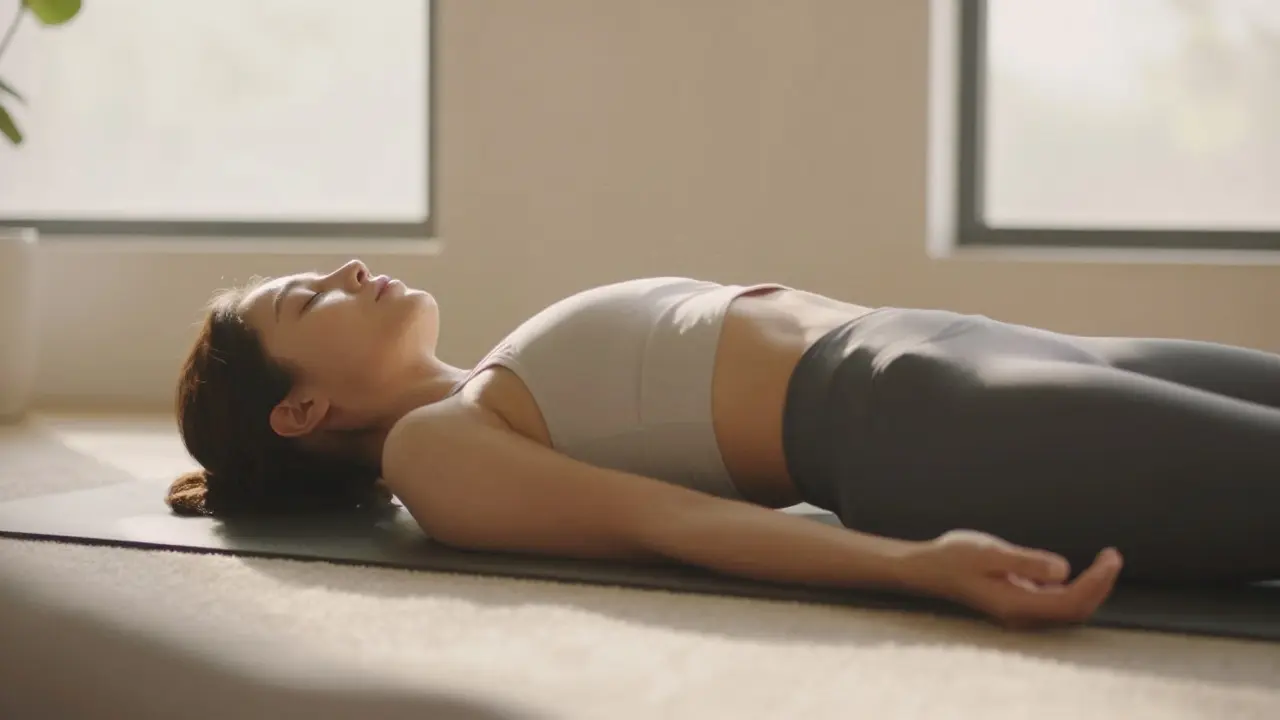
- Setting the Stage: In an ATM class, you’ll likely lie on your back or stomach on a carpet or mat. In FI, you’ll lie on a padded table. Comfort is key. You should wear loose, comfortable clothing without tight waistbands or restrictive jewelry.
- Gentle Exploration: The instructor or practitioner will guide you through small movements. These might seem trivial-like lifting your head slightly or rotating your ankle. Don’t underestimate them. Small movements allow you to feel subtle differences in tension and ease.
- Pauses and Reflection: You’ll be asked to pause frequently. This isn’t laziness; it’s crucial. Pausing allows your nervous system to integrate the new information. You’re giving your brain time to update its map.
- No Right or Wrong: If you can’t do a movement, that’s fine. The instruction is often, "If you can, do it." The focus is on the quality of sensation, not the range of motion. Forcing movement defeats the purpose.
- Integration: Towards the end, you’ll slowly come to a standing position. You’ll notice how your walk feels different. Your posture may feel lighter. This is the 'afterglow'-the immediate result of neuromuscular re-education.
Feldenkrais vs. Other Somatic Practices
It’s easy to confuse Feldenkrais with other mind-body practices. While they share similarities, their approaches differ significantly.
Yoga often involves holding poses and building strength. Feldenkrais avoids static holds. It focuses on dynamic, flowing movement. Yoga says, "Hold this stretch." Feldenkrais says, "Notice how you move into this position, and find an easier way."
Alexander Technique is another popular somatic method. While Alexander focuses heavily on inhibiting habitual reactions (especially around the head-neck-back relationship), Feldenkrais is more exploratory. It encourages active experimentation to find new solutions. Think of Alexander as learning to stop doing something harmful, and Feldenkrais as learning to do something better.
Physical Therapy typically targets specific injuries with prescribed exercises. Feldenkrais takes a holistic view. It doesn’t just treat the knee; it looks at how your entire body contributes to knee function. Many physical therapists now incorporate Feldenkrais principles into their rehabilitation protocols.

How to Practice at Home
You don’t need a teacher to start benefiting from these principles. Here are a few simple ways to bring Feldenkrais awareness into your daily life.
- Check Your Sitting: Next time you sit, notice where your weight rests. Are you sinking into one hip? Try shifting your weight evenly. Feel the support of the chair under your sit bones. Relax your jaw and drop your shoulders.
- Mindful Walking: Pay attention to your feet. Do you stomp? Do you drag your heels? Try to roll from heel to toe smoothly. Notice if you lean forward or backward. Aim for a light, balanced step.
- Turning Your Head: Instead of jerking your head to look behind you, try turning your whole torso. Initiate the movement from your hips. This reduces strain on your cervical spine.
- Breathing Awareness: Place one hand on your chest and one on your belly. Breathe naturally. Which hand moves more? Try to expand your ribs sideways and backward, not just upward. This engages your diaphragm more effectively.
Finding a Qualified Practitioner
If you want to dive deeper, finding the right teacher matters. Look for someone certified by a recognized organization, such as the American Society for Feldenkrais Education (ASFE) or the International Federation of Feldenkrais Professionals. Certification ensures they have completed rigorous training, including hundreds of hours of supervised practice.
When interviewing a potential practitioner, ask about their experience with your specific issue. Do they specialize in sports performance? Chronic pain? Or general wellness? Trust your instincts. The relationship between student and teacher is central to the process. You should feel safe, heard, and encouraged to explore at your own pace.
The Long-Term Impact
Feldenkrais training is not a quick fix. It is an educational process. Like learning to play piano, it takes time and consistent practice. However, the benefits compound. As your movement becomes more efficient, you use less energy. You recover faster from physical exertion. You age with more grace and mobility.
Many students report that the changes extend beyond the physical. Improved body awareness leads to greater mental clarity. Stress levels drop because you’re no longer carrying unnecessary tension. You become more present in your body, which enhances your connection to the world around you.
So, the next time you feel stiff or stuck, don’t just push through it. Pause. Ask yourself: How am I moving? And then, gently, try moving differently. That small shift might be the beginning of a much larger transformation.
Is Feldenkrais training painful?
No, Feldenkrais training is generally not painful. It emphasizes gentle, mindful movement. If you feel sharp pain, you should stop. Discomfort from old tensions releasing is possible, but it should never be acute or severe. The goal is ease, not strain.
How many sessions do I need to see results?
Results vary by individual. Some people feel immediate relief after a single Functional Integration session. For lasting change, most practitioners recommend a series of 10-12 sessions. Continued practice with Awareness Through Movement lessons reinforces these changes over time.
Can Feldenkrais help with sciatica or herniated discs?
Yes, many people with spinal issues find relief. Feldenkrais helps reduce muscular compression around the spine and improves pelvic alignment. While it doesn't 'fix' a disc structurally, it can significantly reduce pain and improve function by changing how you move and load your spine.
Do I need to be flexible to do Feldenkrais?
Not at all. Flexibility is often a result of good movement patterns, not a prerequisite. Feldenkrais works with your current range of motion. In fact, increasing flexibility without proper control can sometimes lead to instability. Feldenkrais builds both flexibility and stability together.
Is insurance likely to cover Feldenkrais sessions?
Coverage varies widely. In some countries, health insurance plans cover somatic therapies, especially if referred by a doctor. In others, it is considered an out-of-pocket wellness expense. Always check with your provider and ask the practitioner if they offer receipts for reimbursement purposes.
 Health and Wellness