

Imagine sinking into a warm, oil-slicked embrace where your body feels like it’s melting into the table-not from laziness, but from deep, quiet relief. That’s what nuru massage offers. Unlike traditional Swedish or deep tissue sessions, nuru massage uses a special gel made from seaweed and water, creating a full-body slip that lets the therapist glide over your skin with smooth, continuous pressure. It’s not just about touch-it’s about presence. And for people drowning in stress, it’s becoming one of the most effective ways to reset.
What Makes Nuru Massage Different?
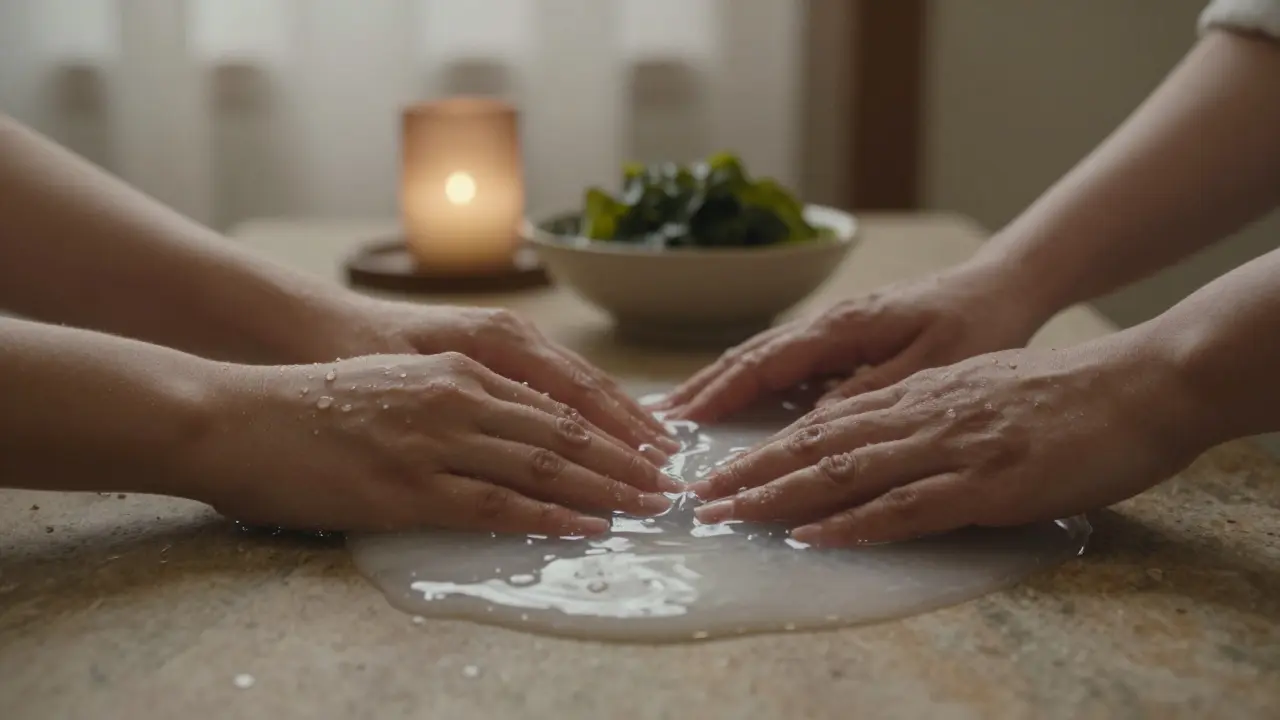
Nuru massage started in Japan, where the word nuru means "to slide" or "to glide." The key difference? No towels, no isolated strokes, no fixed pressure points. Instead, the therapist and client are both fully nude, covered in a slippery, temperature-controlled gel. The goal isn’t arousal-it’s connection. The gel eliminates friction, allowing the therapist to use their whole body-forearms, elbows, even legs-to apply rhythmic, flowing pressure across your back, legs, arms, and torso.
This isn’t a quick 60-minute fix. A typical session lasts 90 to 120 minutes. The slow, uninterrupted motion triggers the parasympathetic nervous system-the part of your body that says, "It’s safe to relax." Studies from the University of Miami’s Touch Research Institute show that sustained, full-body touch lowers cortisol by up to 31% and boosts serotonin and dopamine levels. That’s not magic. That’s biology.
How It Actually Relieves Stress
Most stress lives in your shoulders, jaw, and lower back. You know the feeling-the tightness that doesn’t go away even after a good night’s sleep. Traditional massage works on those spots, but often in pieces. Nuru massage doesn’t just target those areas. It dissolves the boundary between them.
Think of your body as a web of tension. When one muscle pulls tight, others follow. Nuru’s continuous glide helps rewire that pattern. The gel acts like a lubricant for your nervous system. As the therapist moves, your brain stops scanning for danger. Your heart rate slows. Your breathing deepens. Your mind stops replaying that email, that argument, that deadline.
One client from Adelaide, a nurse working 12-hour shifts, told me after her third session: "I didn’t realize how much I was holding my breath until I stopped holding it. For the first time in years, I slept through the night."
It’s Not About Sex-Here’s Why That Matters
Let’s be clear: nuru massage is not erotic. It’s sensual, yes-but sensual and sexual are not the same thing. Sensual means being fully present in your body. Sexual implies intent, stimulation, or arousal. A professional nuru session has zero sexual intent. Therapists are trained in boundaries, consent, and therapeutic touch. Many come from backgrounds in physiotherapy or somatic therapy.
Reputable studios in Australia follow strict guidelines: no genital contact, no verbal advances, no private rooms without a third person present. The environment is calm, dimly lit, with soft music and no mirrors. The focus is on the flow of energy, not anatomy.
When people misunderstand nuru as just another "adult service," they miss the real value. It’s like calling yoga a stretch session and ignoring its impact on anxiety. Nuru massage is a form of embodied therapy. It’s about reclaiming comfort in your own skin after years of being on high alert.
Who Benefits the Most?
Nuru massage isn’t for everyone-but it’s life-changing for some.
- Chronic stress sufferers: People with burnout, anxiety, or PTSD often struggle to relax even in quiet spaces. Nuru’s full-body immersion helps them drop defenses they didn’t know they still held.
- High-performance professionals: CEOs, surgeons, pilots, and emergency responders report feeling "reconnected" after sessions. One Sydney-based pilot said it helped him regain focus after a traumatic flight incident.
- People recovering from trauma: When touch becomes associated with fear, nuru’s slow, predictable rhythm can help rebuild trust in physical safety. Therapists work closely with counselors in these cases.
- Those feeling disconnected from their bodies: After injuries, surgeries, or long periods of sitting, many lose awareness of their physical presence. Nuru brings that awareness back-not through force, but through gentle, consistent sensation.
It’s not a cure-all. But for those who’ve tried meditation, therapy, and exercise without lasting relief, it often becomes the missing piece.
What to Expect in Your First Session
Booking your first nuru massage can feel intimidating. Here’s what actually happens:
- You arrive and fill out a short intake form-medical history, injuries, comfort levels.
- You’re shown to a private room with a heated massage table, soft lighting, and a changing area.
- You undress completely. The therapist leaves the room while you get settled under a warm towel.
- The therapist returns, explains the gel (it’s scentless, hypoallergenic, and made from natural seaweed), and asks you to lie face down.
- They apply the gel, then begin. No talking unless you initiate. The touch is slow, deep, and continuous.
- Halfway through, you’re asked to turn over. The same flow continues.
- At the end, you’re given a towel and time to shower. The therapist leaves again while you dress.
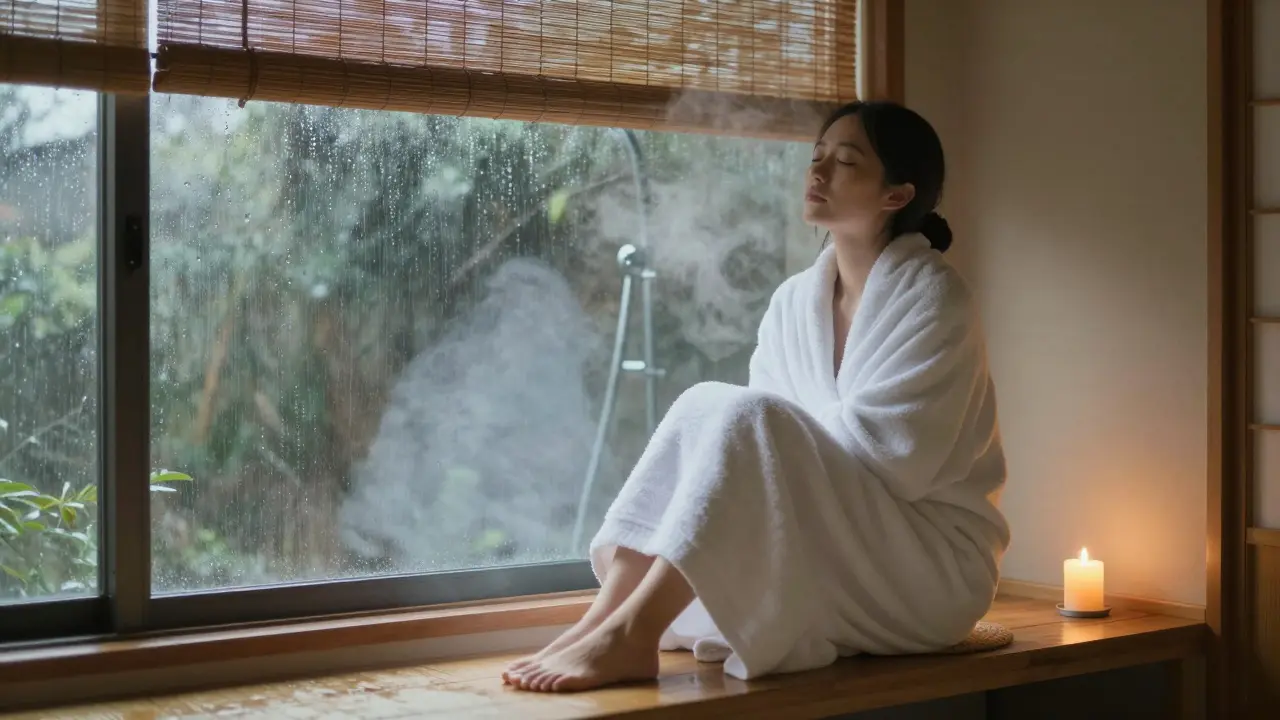
There’s no pressure to talk. No expectations. Just space. Most people leave feeling lighter-not just physically, but mentally. Like a weight they didn’t know they were carrying has been quietly lifted.
How to Find a Reputable Studio
Not all places offering "nuru" are legitimate. Some use the name to mask inappropriate services. Here’s how to spot the real thing:
- Look for licensed therapists: They should have certifications in massage therapy, somatic experiencing, or physiotherapy.
- Check reviews: Real reviews mention calm environments, professionalism, and post-session clarity-not "hot" or "spicy" language.
- Ask about boundaries: Reputable studios have clear policies on nudity, touch zones, and client consent.
- Location matters: Avoid places in back alleys or with no website. Professional studios often operate in wellness centers or medical spas.
- Price point: A legitimate session costs $150-$250 in Australia. Anything under $100 is a red flag.
In Adelaide, studios like Stillpoint Wellness and Flow Body Therapy have been offering this for over five years with zero complaints. They also offer follow-up sessions focused on breathwork and body awareness-something that extends the benefits beyond the table.
After the Session: What Happens Next?
The effects don’t vanish when you leave. Many people report:
- Deeper sleep for 3-5 days
- Reduced muscle tension without needing painkillers
- More patience in conversations
- Less reactivity to stress triggers
One study published in the Journal of Bodywork and Movement Therapies tracked 87 participants over six weeks. Those who received monthly nuru sessions showed a 40% drop in self-reported stress levels-compared to just 12% in the control group who got regular Swedish massage.
The key? Consistency. One session can feel amazing. Three sessions over six weeks can change how you live.
Is Nuru Massage Right for You?
It’s not for everyone. If you’re uncomfortable with nudity-even in a therapeutic context-it’s not the right fit. If you’re seeking sexual stimulation, you’ll be disappointed. If you want a quick fix for a sore neck, try acupuncture or a targeted deep tissue session instead.
But if you’ve tried everything else and still feel like you’re running on empty-if your body feels like a stranger to you-nuru massage might be the quiet revolution you didn’t know you needed. It’s not about pleasure. It’s about peace.
Stress isn’t just in your mind. It’s in your muscles, your breath, your heartbeat. Nuru massage doesn’t ignore that. It meets you there-with warmth, with space, with silence. And sometimes, that’s all you need to begin again.
 Health and Wellness