
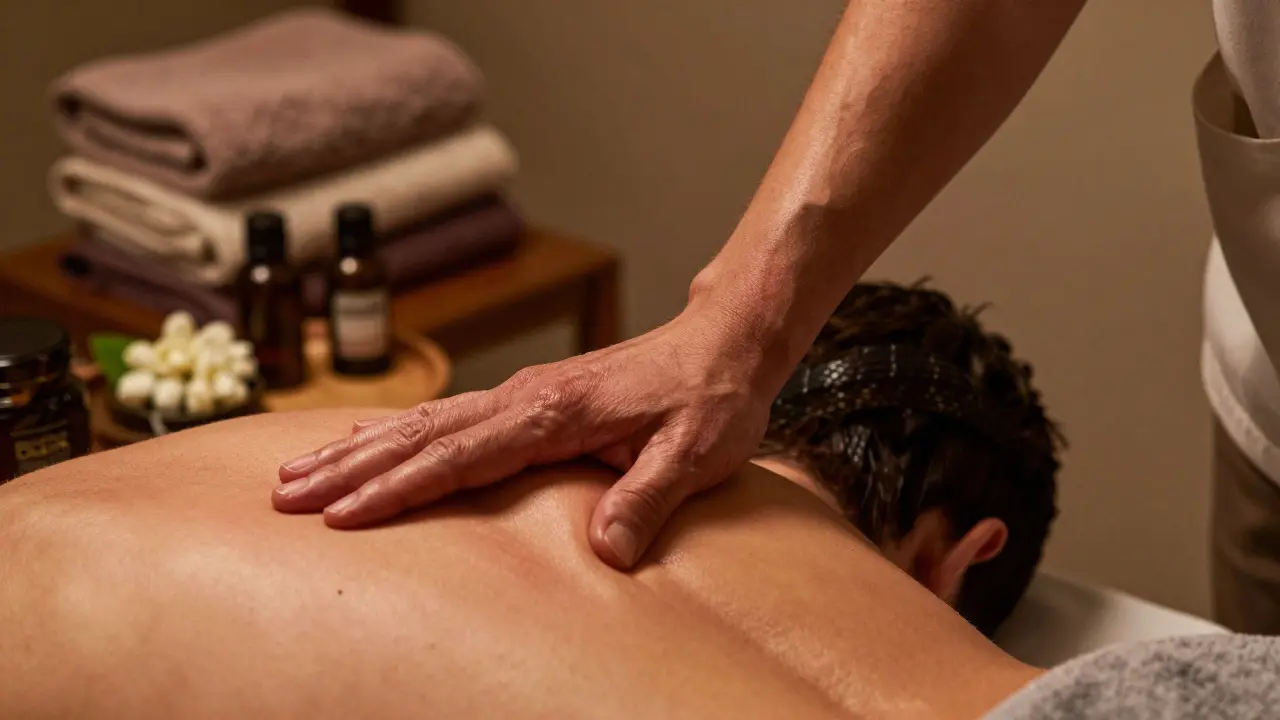
Imagine a therapist using their elbows, knees, and even feet to press deeply into your muscles. It sounds intense, maybe even painful, but this is the core of Snake Massage, also known as Balinese Snake Massage or Ular massage in Indonesian tradition. This isn't about actual snakes slithering over you. Instead, it’s a vigorous, full-body treatment that mimics the sinuous movements of a serpent. If you’re tired of standard Swedish massages that feel too light, or if you’re dealing with chronic tension that won’t budge, this therapy might be exactly what your body needs.
Originating from the island of Bali, Indonesia, this technique blends traditional Balinese healing methods with elements of Thai massage, acupressure, and reflexology. The name comes from the way therapists move along your body-sliding, twisting, and applying pressure in fluid, continuous motions. But before you book a session, it helps to know exactly what happens during the treatment, who should avoid it, and whether the benefits outweigh the intensity.
What Is Snake Massage Therapy?
At its heart, snake massage is a form of deep tissue work. Unlike gentle relaxation massages, this approach targets the deeper layers of muscle and connective tissue (fascia). Therapists use various parts of their body-not just hands-to apply sustained pressure. You’ll likely see them using:
- Elbows and forearms: For precise, deep pressure on knots in the back, shoulders, and legs.
- Knees: To stretch and release tension in the hips and glutes.
- Feet: Often used for walking on the back (similar to Ashiatsu), providing broad, even pressure.
- Palms and thumbs: For targeted acupressure points.
The session typically starts with warm oil massage to lubricate the skin and relax surface muscles. Then, the therapist transitions into deeper techniques, often incorporating stretching sequences borrowed from Thai massage. The goal isn’t just pain relief; it’s to improve circulation, restore energy flow (known as *Prana* in Balinese culture), and reset the body’s alignment.
| Feature | Snake Massage | Swedish Massage | Deep Tissue Massage |
|---|---|---|---|
| Pressure Level | Firm to Very Firm | Light to Medium | Firm |
| Primary Tools | Hands, Elbows, Knees, Feet | Hands, Forearms | Hands, Thumbs, Elbows |
| Focus Area | Full Body, Fascia, Energy Lines | Surface Muscles, Relaxation | Chronic Muscle Knots |
| Stretching Included? | Yes (Thai-style) | No | Rarely |
| Best For | High Stress, Deep Tension, Flexibility | Relaxation, First-Timers | Pain Relief, Injury Recovery |
Key Benefits of Snake Massage
Why would someone choose such an intense treatment? The benefits go beyond feeling good for a few hours. Here’s what regular sessions can offer:
- Deep Muscle Release: By targeting fascia and deep muscle layers, snake massage breaks up adhesions (scar tissue) that cause chronic pain. This is especially helpful for athletes or people with desk jobs who sit all day.
- Improved Circulation: The vigorous pressure stimulates blood flow, delivering more oxygen to tissues and helping remove metabolic waste like lactic acid. This can reduce soreness after workouts.
- Enhanced Flexibility: The incorporated stretches increase joint mobility and range of motion. Over time, this can prevent injuries and make daily movements easier.
- Stress Reduction: While the massage itself is intense, the post-session effect is profound. Many clients report a deep sense of calm and mental clarity due to the release of endorphins and reduction of cortisol levels.
- Better Posture: By releasing tight muscles in the neck, shoulders, and lower back, the body naturally aligns better, reducing strain on the spine.
A study published in the *Journal of Bodywork and Movement Therapies* noted that deep pressure massage significantly reduces perceived stress and anxiety scores compared to light touch therapies. While snake massage specifically wasn’t isolated in most studies, its mechanisms align closely with these findings.
Who Should Avoid Snake Massage?
Not everyone is a candidate for this therapy. Because of its intensity, certain health conditions make snake massage risky or uncomfortable. Always consult your doctor before trying it if you have any of the following:
- Recent Injuries or Surgeries: Fresh wounds, broken bones, or recent surgical sites need time to heal without deep pressure.
- Blood Clots or Circulatory Issues: Vigorous massage can dislodge clots or worsen conditions like varicose veins.
- Pregnancy: Especially in the first trimester, deep pressure on certain points may trigger contractions. Look for prenatal-specific massages instead.
- Osteoporosis: Fragile bones are at risk of fracture under heavy pressure from elbows or knees.
- Skin Conditions: Open wounds, rashes, infections, or sunburns should not be massaged.
- High Blood Pressure: Consult your physician, as intense stimulation can temporarily affect blood pressure readings.
If you’re pregnant, elderly, or have chronic health issues, opt for gentler modalities like Swedish or aromatherapy massage until cleared by a healthcare provider.
What to Expect During Your First Session
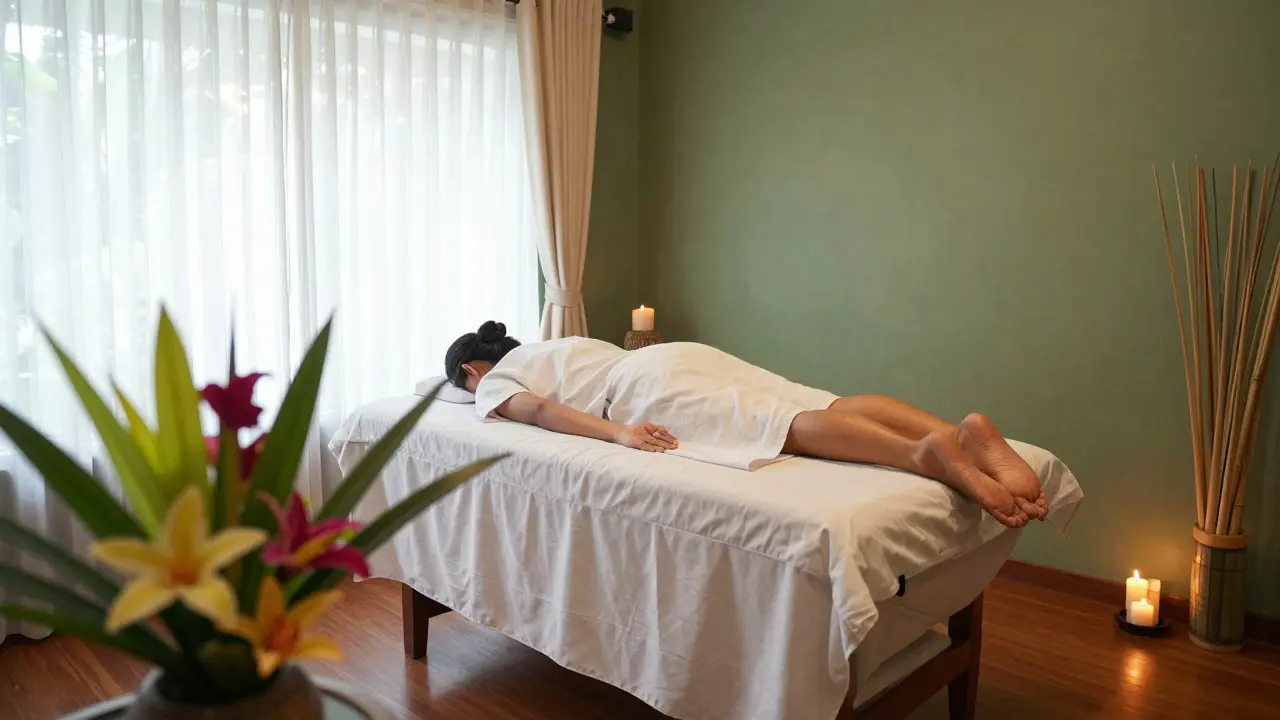
Your first snake massage will likely surprise you. Here’s a step-by-step breakdown of what usually happens:
- Consultation: The therapist will ask about your medical history, areas of pain, and goals. Be honest about your pain tolerance.
- Preparation: You’ll undress to your comfort level (most people wear underwear) and lie face down on a massage table. Warm towels and aromatic oils (often jasmine, ginger, or lemongrass) are used.
- Initial Warm-Up: The session begins with lighter strokes to prepare the muscles. This phase lasts about 10-15 minutes.
- Deep Work Begins: The therapist switches to elbows, knees, and feet. They’ll focus on problem areas like the upper back, hips, and calves. Communication is key-if something hurts sharply, say so. “Good pain” feels like a deep ache; “bad pain” is sharp or electric.
- Stretching: Midway through, expect passive stretches where the therapist gently pulls your limbs to open joints.
- Cool Down: The session ends with lighter strokes to soothe the muscles and reintegrate the nervous system.
- Aftercare: Drink plenty of water to flush out toxins released from the tissues. Rest for the rest of the day.
A typical session lasts 60 to 90 minutes. Prices vary by location, but in major cities, expect to pay between $80 and $150 USD per hour.
How to Find a Qualified Therapist
Not all spas offer true snake massage. Some use the term loosely for any deep tissue work. To ensure quality and safety:
- Check Credentials: Look for therapists certified in Balinese or Thai massage. Organizations like the Associated Bodywork & Massage Professionals (ABMP) list verified practitioners.
- Read Reviews: Focus on comments mentioning “deep,” “intense,” or “therapeutic.” Avoid places that only highlight “relaxation” if you want real results.
- Ask Questions: A good therapist will explain their technique and adjust pressure based on your feedback. If they refuse to modify intensity, find someone else.
- Visit in Person: Observe the cleanliness of the facility and the professionalism of the staff. Hygiene is critical when working with bare skin and deep pressure.
In Australia, for example, many reputable clinics in Sydney and Melbourne now offer Balinese-inspired treatments. Check local directories like HealthEngine or Bookingsy for highly rated providers.

Aftercare Tips for Maximum Benefit
The work doesn’t end when you leave the spa. Proper aftercare ensures the benefits last longer and minimizes soreness:
- Hydrate: Drink at least two liters of water within 24 hours. Massage releases toxins stored in fat and muscle; water helps your kidneys filter them out.
- Rest: Avoid strenuous exercise for 24-48 hours. Let your muscles recover fully.
- Apply Heat: Use a heating pad on sore areas to ease stiffness. Cold packs can help if there’s inflammation.
- Eat Light: Choose anti-inflammatory foods like berries, leafy greens, and omega-3-rich fish. Avoid heavy meals that tax your digestion.
- Mindful Movement: Gentle yoga or walking promotes circulation without straining healed tissues.
If you experience bruising, it’s normal but should be minimal. Excessive bruising means the pressure was too high-communicate this clearly next time.
Common Misconceptions About Snake Massage
Let’s clear up some myths:
- Myth: It involves live snakes.
Reality: No animals are used. The name refers to movement patterns, not creatures. - Myth: It’s always painful.
Reality: Pain is subjective. A skilled therapist adjusts pressure to your tolerance. Discomfort should never be unbearable. - Myth: One session fixes everything.
Reality: Chronic issues require regular maintenance. Think of it like going to the gym-one workout won’t transform your body. - Myth: Only athletes need it.
Reality: Office workers, caregivers, and anyone with stress-related tension benefit greatly.
Final Thoughts: Is Snake Massage Right for You?
If you crave deep relief from stubborn tension and don’t mind an intense experience, snake massage delivers exceptional results. It’s not a pampering treat; it’s a therapeutic intervention. Pair it with healthy habits-sleep, nutrition, and movement-for lasting wellness.
Start slow. Book a 60-minute session, communicate openly with your therapist, and listen to your body. Your muscles will thank you.
Is snake massage safe for beginners?
Yes, if you choose a qualified therapist who listens to your feedback. Start with a shorter session (60 minutes) and request moderate pressure initially. Communicate any discomfort immediately so the therapist can adjust.
How often should I get a snake massage?
For chronic pain or high stress, once every 2-4 weeks is ideal. For general maintenance, monthly sessions suffice. Athletes may benefit from weekly treatments during peak training periods.
Does snake massage help with back pain?
Absolutely. Its deep pressure targets spinal muscles and fascia, relieving tension that causes lower and upper back pain. Combine it with posture correction exercises for best results.
Can I get a snake massage if I have sensitive skin?
Sensitive skin isn’t a contraindication, but inform your therapist beforehand. They can use hypoallergenic oils and avoid excessive friction. Test a small area first if you’re prone to reactions.
What’s the difference between snake massage and Thai massage?
Thai massage focuses heavily on stretching and energy lines with less oil. Snake massage incorporates similar stretches but emphasizes deep tissue work using elbows, knees, and feet with abundant aromatic oils. Both are dynamic, but snake massage is generally deeper and more localized.
 Health and Wellness