
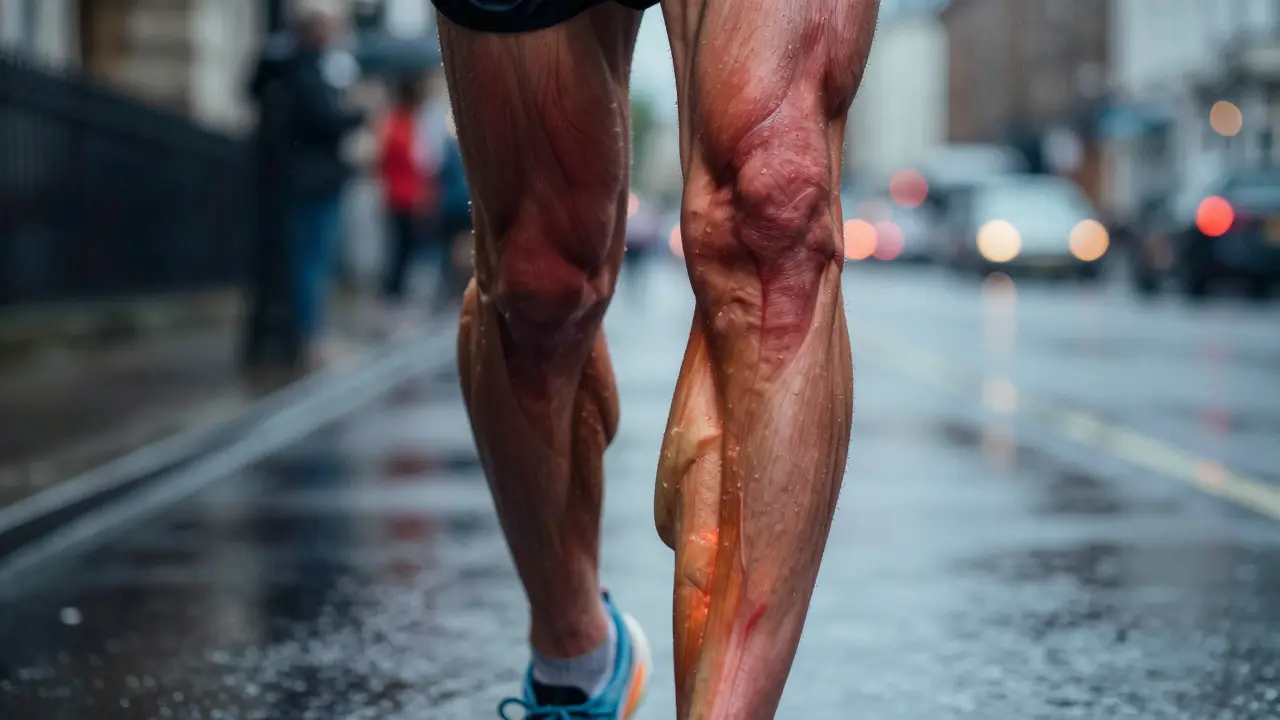
Picture this: you’ve just finished a grueling marathon. Your legs feel like lead, your breathing is ragged, and every step sends a sharp pang through your calves. You’re exhausted, but the real work isn’t done yet. This is where Sports Massage is a specialized form of bodywork designed to enhance athletic performance, prevent injuries, and accelerate recovery. Unlike a relaxing spa session meant purely for leisure, this therapeutic approach targets specific muscle groups involved in your sport or physical activity.
For athletes, from weekend warriors to Olympic competitors, recovery is not just about rest; it’s an active process. Sports massage acts as a catalyst, helping your body bounce back faster so you can train harder and perform better. But how exactly does manipulating soft tissue translate into improved speed, strength, and endurance? Let’s break down the science, the techniques, and the practical benefits that make this modality indispensable for anyone serious about their physical fitness.
The Science Behind Muscle Recovery
To understand why sports massage works, we need to look at what happens to your muscles during intense exertion. When you push your body to its limits, microscopic tears occur in the muscle fibers. This is normal and necessary for growth, but it also leads to inflammation and pain. Additionally, metabolic waste products, often colloquially referred to as lactic acid is a byproduct of anaerobic metabolism that accumulates in muscles during high-intensity exercise, build up in the tissues.
While modern research suggests that lactic acid clears itself relatively quickly after exercise, the sensation of stiffness and soreness-known as Delayed Onset Muscle Soreness (DOMS)-can linger for days. Sports massage helps mitigate this by increasing blood flow to the affected areas. Improved circulation delivers oxygen and nutrients essential for repair while flushing out inflammatory markers and cellular debris. Think of it as clearing the traffic jam on a highway, allowing resources to reach the construction sites where your muscles are rebuilding themselves.
Beyond circulation, massage stimulates the parasympathetic nervous system. This shift from "fight or flight" to "rest and digest" lowers cortisol levels, the primary stress hormone. High cortisol can inhibit muscle repair and increase anxiety, so reducing it creates a physiological environment conducive to healing. For an athlete, this means not just physical relief but mental clarity and reduced tension, which are crucial for maintaining focus during training cycles.
Core Techniques Used in Sports Massage
Not all massage is created equal. A general relaxation massage might use long, gliding strokes called effleurage to calm the mind, but sports massage employs a more targeted toolkit. Therapists trained in this discipline use a combination of techniques tailored to the individual’s needs and the specific demands of their sport.
- Effleurage: These are long, sweeping strokes used to warm up the tissue and promote venous return. They are often used at the beginning and end of a session to prepare the muscles for deeper work or to soothe them afterward.
- Petrissage: This involves kneading, rolling, and wringing the muscles. It helps to break up adhesions, improve elasticity, and increase flexibility. Imagine squeezing a sponge to release water; petrissage does similar for stagnant fluid in tight muscles.
- Friction: Deep, circular movements applied to specific points. This technique is excellent for breaking down scar tissue and adhesions that form after injuries. It’s particularly useful for tendons and ligaments that have been strained.
- Tapotement: Rhythmic tapping, chopping, or percussion. This stimulates the nerves and increases muscle tone. It’s often used before competition to "wake up" the muscles and improve reaction time.
- Trigger Point Therapy: Focused pressure on hyperirritable spots within a taut band of skeletal muscle. These knots can refer pain to other areas of the body. Releasing them restores normal muscle function and reduces pain.
A skilled therapist will blend these techniques seamlessly. For example, they might start with effleurage to warm up the hamstrings, move to petrissage to loosen the bulk of the muscle, apply friction to a specific tender spot, and finish with tapotement to activate the area. The intensity varies based on whether the session is pre-event, post-event, or maintenance-focused.
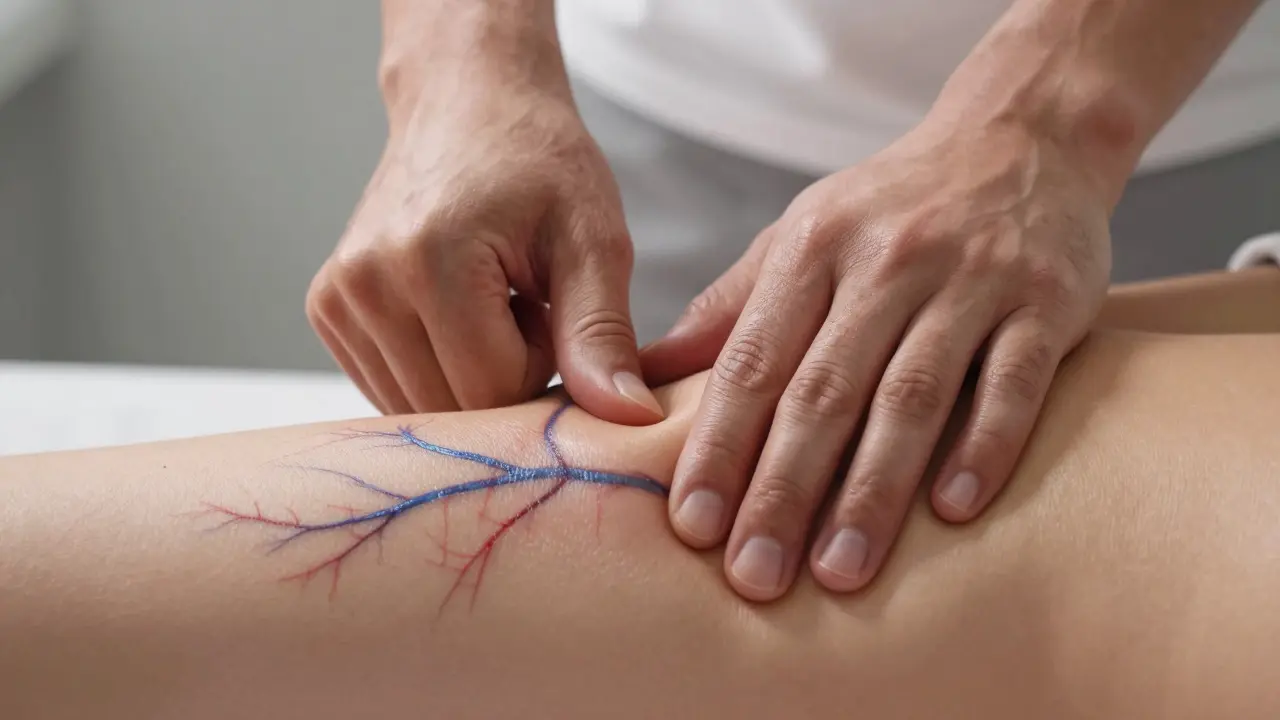
Pre-Event vs. Post-Event Massage
Timing is everything in sports massage. The goals differ significantly depending on when you receive the treatment relative to your competition or workout.
Pre-event massage is typically shorter, lasting 10 to 15 minutes, and focuses on warming up the muscles. The goal is to increase blood flow, enhance flexibility, and mentally prepare the athlete. It’s stimulating rather than relaxing. You want your muscles to be ready for action, not sedated. This type of massage often includes brisk effleurage and light tapotement to prime the neuromuscular system.
Post-event massage, on the other hand, is about recovery. It aims to reduce muscle tension, flush out metabolic waste, and begin the healing process. This session is usually longer and gentler, focusing on releasing tight muscles and reducing inflammation. It’s common to see athletes receiving this immediately after a race or game to prevent severe DOMS the next day.
Maintenance massage occurs during regular training periods. Its purpose is injury prevention. By addressing minor issues before they become major problems, athletes can maintain peak performance throughout the season. This proactive approach saves time and pain in the long run.
| Type | Primary Goal | Intensity | Duration |
|---|---|---|---|
| Pre-Event | Warm-up and activation | Light to Moderate | 10-15 mins |
| Post-Event | Recovery and waste removal | Moderate to Deep | 30-60 mins |
| Maintenance | Injury prevention | Varies | 60 mins |
Benefits Beyond Physical Healing
We often think of massage as purely physical, but its impact extends to mental well-being. Athletes face immense pressure to perform, and this stress manifests physically as tension in the shoulders, neck, and back. Sports massage provides a dedicated time to disconnect from external pressures and focus inward.
This mental reset can improve sleep quality, which is arguably the most critical component of recovery. Deep, restorative sleep allows the body to produce human growth hormone (HGH), essential for tissue repair. By lowering stress hormones and promoting relaxation, massage indirectly boosts HGH production. Furthermore, the tactile stimulation releases endorphins, the body’s natural painkillers and mood elevators. This chemical cocktail leaves you feeling calmer, happier, and more resilient.
Improved range of motion is another significant benefit. Tight muscles restrict movement, leading to compensatory patterns that can cause injuries elsewhere in the chain. For instance, tight hip flexors can lead to lower back pain. By releasing these restrictions, sports massage ensures that joints move freely and efficiently, enhancing overall biomechanics. This translates to better form, increased power output, and reduced risk of strain.
Who Should Consider Sports Massage?
You don’t need to be a professional athlete to benefit from sports massage. Any individual who engages in regular physical activity can gain from this therapy. Whether you’re a runner, a cyclist, a weightlifter, or someone who plays recreational soccer, your muscles undergo stress that requires attention.
It’s particularly beneficial for those experiencing chronic pain, recurring injuries, or limited flexibility. If you find yourself constantly dealing with tight calves, stiff shoulders, or knee pain, sports massage can help identify and address the root causes. It’s also ideal for people returning from injury, as it helps restore mobility and confidence in the affected area.
However, there are some contraindications. Acute injuries, such as fresh sprains or fractures, should not be massaged immediately. Inflammation needs to subside first, usually within 48 to 72 hours. Conditions like deep vein thrombosis, skin infections, or fever also require medical clearance before undergoing massage. Always consult with a healthcare provider if you have underlying health issues.
Finding the Right Therapist
Not all massage therapists are trained in sports-specific techniques. Look for professionals who hold certifications in sports massage or have experience working with athletes. Organizations like the National Certification Board for Therapeutic Massage and Bodywork (NCBTMB) provide credentials that verify competence.
When booking your first session, communicate clearly about your goals. Are you preparing for a race? Dealing with a specific injury? Trying to improve flexibility? A good therapist will ask detailed questions and tailor the treatment accordingly. Don’t hesitate to provide feedback during the session regarding pressure and comfort. Effective sports massage can be intense, but it shouldn’t be unbearable.
Consistency is key. Occasional massages offer temporary relief, but regular sessions yield long-term benefits. Incorporating sports massage into your training routine, much like stretching or hydration, can transform your athletic journey. It’s an investment in your body’s longevity and performance.
How often should I get a sports massage?
The frequency depends on your activity level and goals. Competitive athletes may benefit from weekly or bi-weekly sessions during peak training. Recreational exercisers might find monthly maintenance sufficient. Listen to your body; if you’re experiencing persistent tightness or pain, increase the frequency temporarily.
Does sports massage hurt?
It can be uncomfortable, especially when working on tight or injured areas. However, pain should be manageable and never sharp or debilitating. Communicate with your therapist to adjust pressure. The goal is therapeutic release, not suffering.
Can sports massage replace physical therapy?
No, they serve different purposes. Physical therapy focuses on rehabilitation and functional restoration under medical supervision. Sports massage complements PT by improving soft tissue health and reducing pain, but it doesn’t diagnose or treat structural injuries independently.
What should I wear to a sports massage?
Wear comfortable, loose-fitting clothing that allows easy access to the muscles being worked. Many therapists use draping sheets to ensure modesty, exposing only the area being treated. Bring shorts or underwear if you prefer changing on-site.
Is sports massage covered by insurance?
Coverage varies by provider and plan. Some insurance policies cover massage therapy if prescribed by a doctor for a specific medical condition. Check with your insurer beforehand. Alternatively, flexible spending accounts (FSAs) or health savings accounts (HSAs) may reimburse costs.
 Health and Wellness