
Massage Therapy Inclusivity: Accessible, Diverse, and Effective Touch Techniques
When we talk about massage therapy inclusivity, the practice of making bodywork accessible and respectful for people of all abilities, identities, and backgrounds. Also known as inclusive bodywork, it’s not just about who can receive a massage—it’s about who gets to lead it, design it, and feel safe while receiving it. Too many people still think massage is only for able-bodied, neurotypical, or cisgender clients. That’s changing. Real inclusivity means a blind therapist using heightened touch to relieve chronic pain, a pregnant woman getting gentle pressure tailored to her body, or someone with trauma learning to reconnect with their skin through slow, consensual touch. This isn’t a trend. It’s the future of healing.
Take blind massage, a therapy where visually impaired practitioners deliver precise, deeply intuitive bodywork. Also known as tactile therapy, it’s not a novelty—it’s a proven method. Studies show blind therapists often outperform sighted ones in pressure control and consistency because their sense of touch is finely tuned through training and daily practice. This isn’t charity. It’s excellence. And it’s part of a bigger shift: massage isn’t just about relaxation anymore. It’s about dignity. prenatal massage, a specialized form designed for pregnant bodies, is another example. It’s not a luxury. It reduces swelling, lowers stress hormones, and helps women feel grounded during a time their bodies are changing fast. And then there’s myofascial release therapy, a gentle, non-invasive technique that unlocks tight connective tissue. It helps athletes recover, but also people with fibromyalgia, PTSD, or spinal injuries who can’t handle deep pressure. These aren’t niche services—they’re essential ones.
Inclusivity also means rejecting harmful labels. Terms like "lesbian show massage" or "erotic massage" get thrown around as if they’re therapies. They’re not. Real massage therapy doesn’t exploit identity for entertainment. It respects boundaries. Whether you’re a man seeking a lingam massage, a mindful, non-penetrative practice for sexual wellness, a woman looking for a safe space in Prague’s adult spa scene, or someone recovering from surgery—your needs matter. The best massage isn’t the one with the most oils or the loudest music. It’s the one where you feel seen, heard, and never rushed.
What you’ll find below isn’t a list of spas. It’s a collection of real techniques that prove massage therapy can be both deeply personal and universally accessible. From bamboo rods soothing scar tissue to scalp massages boosting hair growth, from self-care rituals to therapist-led healing—each post shows how touch, when done right, doesn’t just relax the body. It restores trust in it.
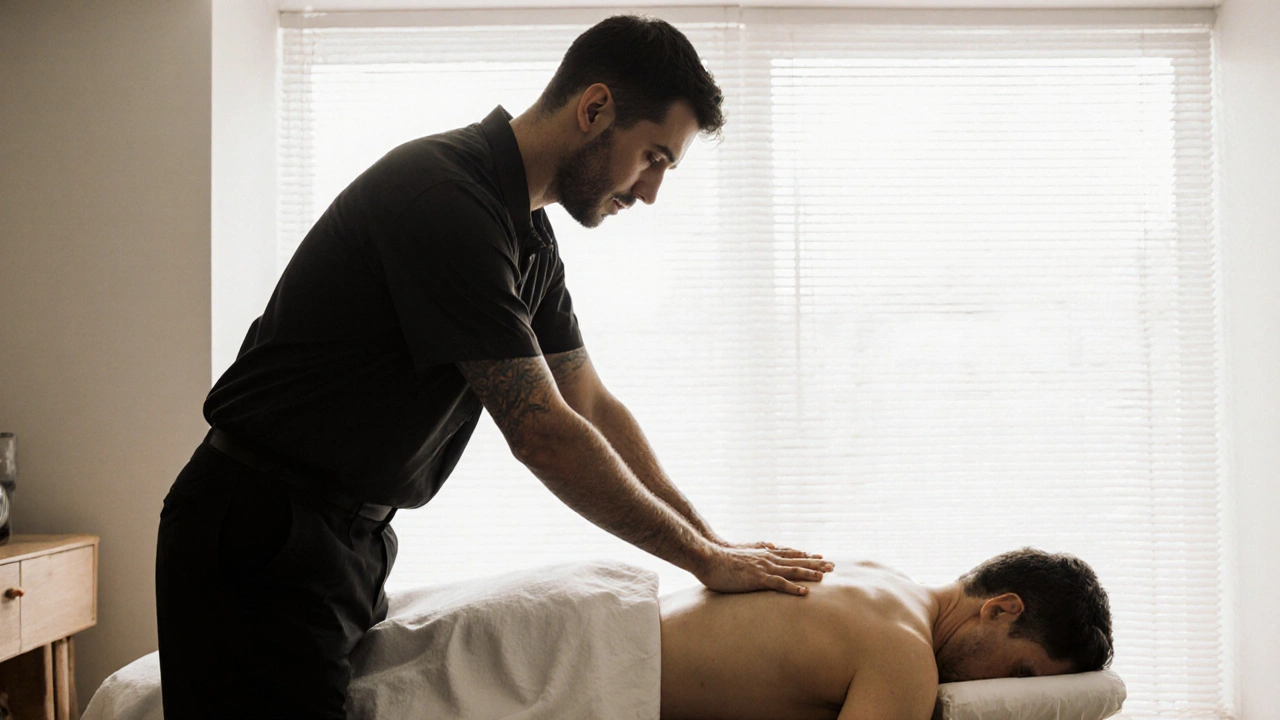
Gay massage is not sexual - it's therapeutic touch that helps heal trauma, reduce stress, and rebuild trust in the body. Learn how this misunderstood practice supports LGBTQ+ wellness and benefits everyone.
 Health and Wellness