
Stone Massage Tips: How to Use Heat and Pressure for Deep Relaxation
When you think of stone massage, a therapeutic technique using heated or cooled stones placed on the body to ease tension and improve circulation. Also known as hot stone therapy, it's not just about warmth—it's about using the natural density and heat retention of stones to reach deep into tight muscles without forcing them. Unlike regular massage, where pressure comes from hands alone, stone massage lets the stones do part of the work, making it gentler on the therapist and deeper for you.
The best results come from matching the right massage stones, typically basalt, marble, or jade stones shaped for body contours and heat retention to your needs. Basalt stones hold heat the longest and are ideal for relaxing tight back muscles. Marble stones stay cool longer and work well for reducing inflammation or soothing headaches. The temperature matters too—too hot and you risk burns; too cool and you won’t get the full release. Most professionals keep hot stones between 110°F and 130°F, just warm enough to feel soothing, not scalding.
It’s not just about laying stones on your skin. The real skill is in combining them with slow, flowing strokes. A good therapist will glide heated stones along your spine, roll them over your shoulders, or press them into your calves while using their hands to guide deeper pressure. This dual approach—heat from the stone, movement from the hands—triggers a cascade of relaxation in your nervous system. You start to breathe slower, your heart rate drops, and your muscles let go without you even trying.
Many people think stone massage is only for luxury spas, but you can bring it home. All you need are a few smooth, flat stones, a heat source like a towel warmer or rice sock, and a little patience. Start with your feet—place warmed stones under each arch and let the heat sink in for five minutes. Then move to your neck, placing one cool stone between your shoulder blades to balance the warmth. You’ll notice the difference after just one session: less stiffness, better sleep, and a calm that sticks around.
People with nerve damage, diabetes, or open wounds should avoid hot stones. Pregnant women can still benefit, but only with cool stones and a therapist trained in prenatal care. And if you’re new to this, skip the full-body session. Start with a 30-minute back and neck treatment. You’ll get the core benefits without feeling overwhelmed.
What you’ll find below isn’t just a list of articles—it’s a real-world guide to how stone massage fits into broader healing practices. You’ll see how it connects to deep tissue work, how it compares to bamboo or lymphatic techniques, and why some therapists mix it with oils or aromatherapy for stronger effects. There are tips from people who’ve tried it at home, warnings about bad experiences, and insights from therapists who’ve seen hundreds of clients walk in stiff and leave floating. This isn’t theory. It’s what works.
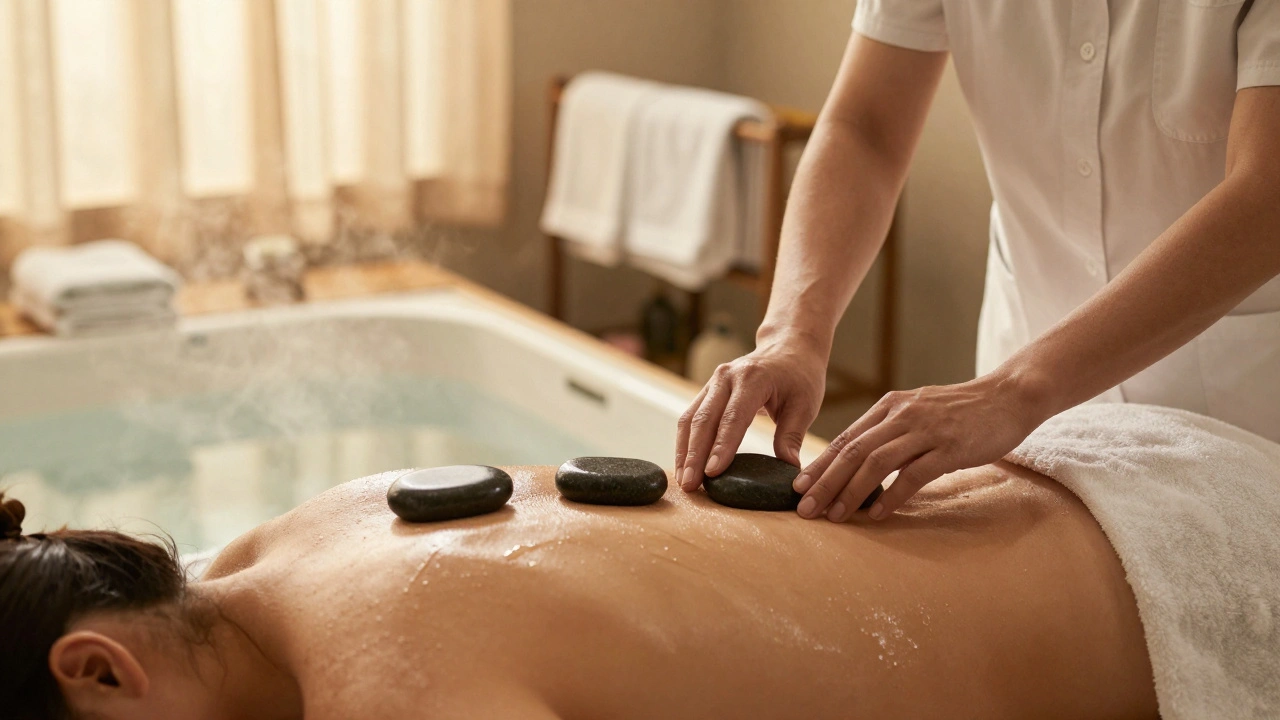
Learn the essential do’s and don’ts of stone massage to ensure safety, effectiveness, and deep relaxation. Avoid burns, bruising, and mistakes with expert-backed tips for home and professional use.
 Health and Wellness