
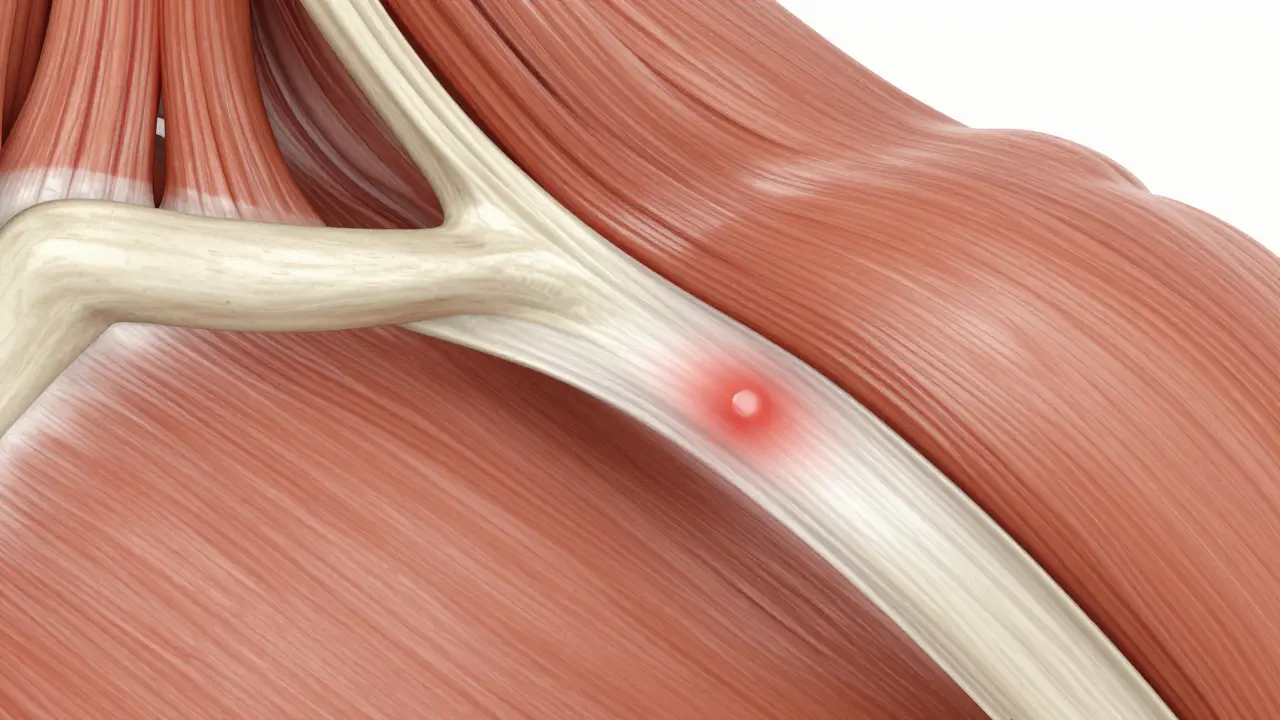
You’ve probably heard that trigger point massage is a therapeutic technique targeting hyperirritable spots in skeletal muscle to relieve pain and restore function. It’s the go-to fix for that stubborn knot in your shoulder or the tightness in your lower back. But if you think it’s just about squishing a painful spot until it feels better, you’re missing half the story.
We tend to view pain as an isolated event-a car accident, a bad workout, poor posture. But pain is rarely just local. It’s a signal from a complex network of nerves, muscles, and fascia. When we address only the symptom, we ignore the system. The real power of trigger point therapy lies not just in stopping the ache, but in how it rewires your body’s response to stress, improves your sleep architecture, and even sharpens your mental focus. These are the unseen benefits that don’t show up on a pain scale but drastically change your quality of life.
The Physiology of Release: More Than Just Muscle
To understand why this works, we have to look at what a trigger point actually is. A myofascial trigger point is a hyperirritable spot within a taut band of skeletal muscle that is painful on compression and can refer pain to distant sites. Think of it like a short circuit in an electrical wire. The muscle fiber gets stuck in a contracted state, cutting off its own blood supply. This creates a chemical soup of inflammatory substances-substance P, bradykinin, and cytokines-that sensitizes nearby nerve endings.
When a therapist applies sustained pressure to this spot, they aren’t just stretching the muscle. They are mechanically disrupting this cycle. The pressure forces blood flow back into the area, flushing out those inflammatory chemicals. But here is the hidden mechanism: the pressure also stimulates mechanoreceptors in the skin and tissue. These receptors send signals to the spinal cord that literally gate out pain signals. This is known as the Gate Control Theory of pain. By flooding the nervous system with non-painful tactile input, you reduce the volume on the pain channel. It’s not magic; it’s neurophysiology.
This process also affects the fascia, which is the connective tissue webbing that surrounds and supports every muscle, bone, and organ in the body. Fascia has memory. If you sit hunched over a desk for eight hours a day, your fascia adapts by becoming shorter and stiffer in that position. Trigger point work helps rehydrate and remodel this tissue, restoring elasticity. Without addressing the fascia, muscle relaxation is often temporary because the surrounding structure remains rigid.
Sleep Architecture and the Nervous System
One of the most profound yet overlooked benefits of trigger point massage is its impact on sleep. Chronic pain keeps the sympathetic nervous system-the "fight or flight" mode-perpetually activated. Your cortisol levels stay elevated, your heart rate remains higher than baseline, and your brain stays in a state of hyperarousal. You might lie down, but your body doesn’t know it’s safe to shut down.
Research published in journals like the Journal of Bodywork and Movement Therapies suggests that manual therapy significantly activates the parasympathetic nervous system, often called the "rest and digest" mode. When you release physical tension, you send a biological signal of safety to the brain. This shift allows for deeper stages of slow-wave sleep, which is critical for physical repair and cognitive consolidation.
Consider this scenario: You wake up tired despite sleeping eight hours. Why? Because micro-arousals caused by muscle spasms fragmented your REM cycles. By resolving the underlying trigger points, particularly in the neck (trapezius) and upper back (rhomboids), you remove these physical interruptions. The result isn’t just less pain; it’s restorative rest. People often report feeling mentally clearer after a session, not because they were relaxed during the massage, but because they slept better that night.
Mental Clarity and Emotional Regulation
We carry our emotions in our bodies. Stress manifests as tightened jaw muscles (masseter), raised shoulders (upper trapezius), and clenched fists. This somatic storage of stress creates a feedback loop. The more stressed you are, the tighter your muscles get. The tighter your muscles get, the more pain you feel, which increases your stress levels. It’s a vicious cycle that drains mental energy.
Trigger point massage breaks this loop. By physically releasing the tension, you interrupt the sensory input that tells your brain you are under threat. This leads to a measurable reduction in anxiety markers. Studies have shown decreases in serum cortisol and increases in serotonin and dopamine following deep tissue work. These neurotransmitters regulate mood, motivation, and emotional stability.
Have you ever noticed how difficult it is to concentrate when you have a headache or back pain? That’s because pain demands attention. It hijacks your cognitive resources. When you eliminate that constant background noise of discomfort, your working memory frees up. You become more present, more patient, and more focused. For professionals dealing with high-pressure environments, this isn’t just a luxury; it’s a performance enhancer. Clearing the physical clutter allows for mental clarity.
Enhanced Mobility and Injury Prevention
Beyond immediate pain relief, trigger point therapy plays a crucial role in long-term physical resilience. Tight muscles restrict range of motion. If your hip flexors are locked up from sitting, your hamstrings will overcompensate, leading to strains. If your thoracic spine is stiff, your lumbar spine takes on excessive load, risking disc issues.
By releasing specific trigger points, you restore balanced biomechanics. This means your joints move through their full, intended arcs. Proper movement patterns reduce wear and tear on cartilage and ligaments. For athletes, this translates to faster recovery times and fewer injuries. For office workers, it means avoiding the chronic degenerative changes associated with poor posture.
Think of your body as a chain. If one link is rusted and stiff, the entire chain functions poorly. Trigger point work lubricates those links. It ensures that force transfers efficiently through your kinetic chain. Whether you’re running a marathon or lifting groceries, efficient movement requires pliable, responsive tissues. Stiffness is the enemy of durability.
| Feature | Trigger Point Therapy | Swedish/Relaxation Massage |
|---|---|---|
| Primary Goal | Pain relief & functional restoration | Stress reduction & circulation |
| Pressure Level | Deep, targeted, sometimes uncomfortable | Light to moderate, soothing |
| Nervous System Effect | Resets pain pathways, reduces hypertonicity | Activates parasympathetic response |
| Best For | Chronic pain, injury rehab, postural correction | General wellness, anxiety, mild fatigue |
| After-Effects | Temporary soreness (24-48 hours) | Immediate relaxation |
What to Expect: The Process and Aftercare
If you decide to try trigger point massage, understanding the process helps manage expectations. Unlike a spa massage where you drift off, this is active work. The therapist will identify specific tender points using palpation. They may use their thumbs, elbows, or specialized tools like Graston techniques.
The sensation is often described as "good hurt." It should be intense but tolerable. If it causes you to grimace or breathe sharply, communicate with your therapist. The goal is not to cause trauma, but to find the threshold of tolerance. Once the correct pressure is applied, the therapist holds it for 30-90 seconds. You’ll likely feel a release-a melting sensation-as the muscle fiber relaxes.
Aftercare is critical. Your body needs water to flush out the metabolic waste released from the tissues. Drink plenty of fluids for the next 24 hours. You might experience some soreness, similar to post-workout fatigue. This is normal. Applying heat to the area can help soothe residual tension. Avoid strenuous exercise immediately after a session to allow the nervous system to integrate the changes.
Who Should Avoid It?
While beneficial for many, trigger point massage isn’t for everyone. Contraindications include acute inflammation, open wounds, deep vein thrombosis (DVT), and osteoporosis. If you are pregnant, certain areas must be avoided. Always consult with a healthcare provider before starting any new therapy, especially if you have underlying medical conditions. Transparency with your therapist ensures safety and effectiveness.
How often should I get trigger point massage?
For acute pain, weekly sessions for 3-4 weeks are common. For maintenance and chronic conditions, every 2-4 weeks is sufficient. Listen to your body; if you feel significant improvement, you can extend the time between sessions.
Does trigger point massage hurt?
It can be uncomfortable, but it shouldn’t be unbearable. The pressure is firm and targeted. Communication is key. Tell your therapist if the pain becomes sharp or shooting. The goal is therapeutic release, not suffering.
Can I do trigger point release at home?
Yes, using tools like foam rollers, lacrosse balls, or massage guns. However, self-massage lacks the precision of a trained therapist. Use caution and avoid pressing directly on bones or joints. Focus on the belly of the muscle.
How long does it take to see results?
Some people feel immediate relief after one session. Others with chronic issues may need several sessions to break the pain cycle. Consistency is crucial for lasting change.
Is trigger point massage covered by insurance?
Coverage varies by provider and plan. Some insurers cover it if prescribed by a doctor for a specific medical condition. Check with your provider and ask if your therapist provides superbills for reimbursement.
 Health and Wellness