

You’ve probably heard that self-care means bubble baths, face masks, and maybe a weekly Swedish massage. Those things are nice. They feel good. But if you’re dealing with chronic back pain from sitting at a desk all day, or your shoulders are tight enough to cause headaches, relaxation alone won’t fix it. This is where medical massage changes the game. It’s not just about feeling relaxed; it’s about fixing what’s broken so you can actually move without pain.
Most people think of massage as a luxury. Medical massage treats it like healthcare. It targets specific injuries, muscle imbalances, and structural issues. If you want to build a self-care routine that actually improves your quality of life-not just your mood for an hour-you need to understand why this approach works and how to fit it into your schedule.
The Difference Between Relaxation and Repair
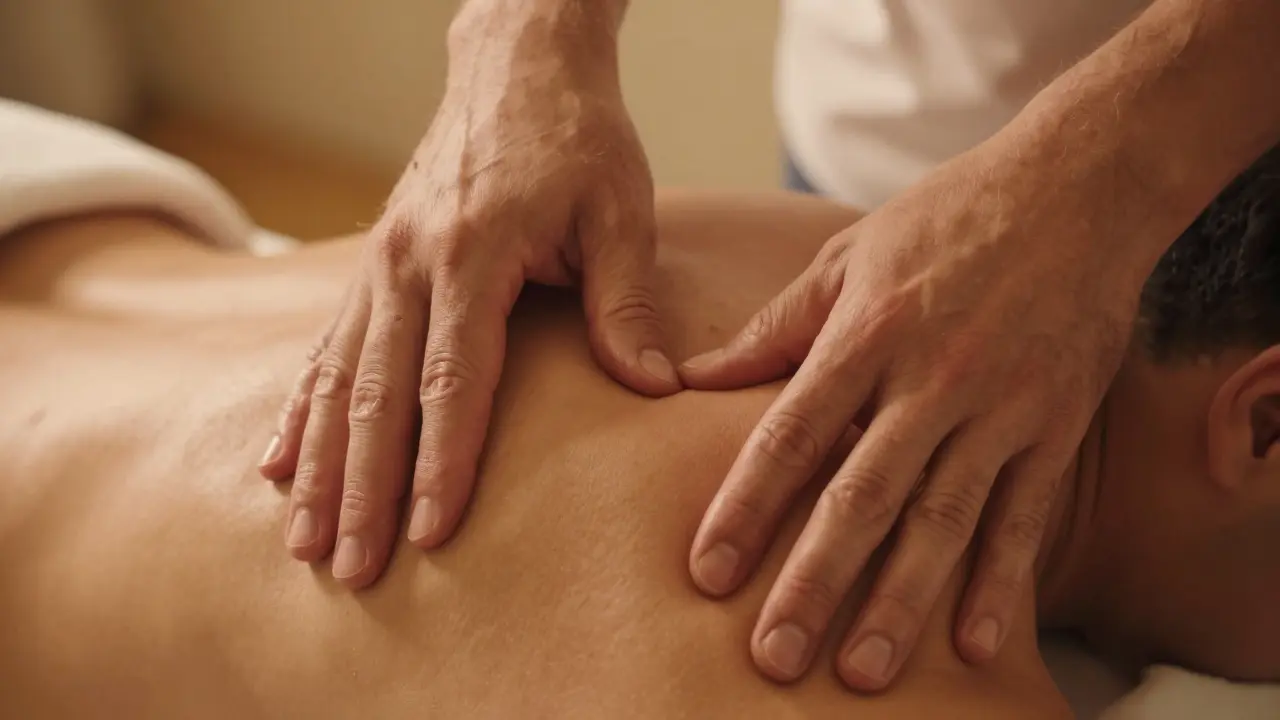
Let’s clear up the biggest confusion first. A standard spa massage is designed to relax your nervous system. The therapist uses long, flowing strokes to lower your heart rate and ease general tension. That’s great for stress. But it doesn’t dig deep enough to fix a knot in your piriformis muscle that’s shooting pain down your leg.
Medical massage is different. It’s often called therapeutic massage or clinical massage. The goal isn’t just to make you sleepy; it’s to restore function. Think of it like the difference between putting a bandage on a cut versus stitching it up. One covers the problem; the other fixes it.
When you get medical massage, the therapist looks at your whole body. They don’t just work on where it hurts. If your knee hurts, they might work on your hip because your hip alignment affects your knee. This holistic view is what makes it effective for long-term recovery.
How It Actually Helps Your Body
Your body is a connected system. When one part gets stiff or injured, other parts compensate. Over time, this compensation leads to more pain. Medical massage breaks this cycle. Here is how it works on a physiological level:
- Breaking Down Scar Tissue: After an injury, your body creates scar tissue to heal. This tissue is less flexible than normal muscle. If it builds up, it restricts movement. Techniques like cross-friction massage break down these adhesions, allowing your muscles to glide smoothly again.
- Improving Circulation: Poor blood flow means poor healing. Medical massage increases blood flow to injured areas, bringing oxygen and nutrients needed for repair while flushing out waste products that cause inflammation.
- Resetting Muscle Tone: Chronic pain often causes muscles to spasm or tighten protectively. Deep tissue techniques help release these spasms, returning the muscle to its natural length and strength.
For example, if you have plantar fasciitis (heel pain), a medical massage therapist won’t just rub your foot. They’ll work on your calf muscles and Achilles tendon because tightness there pulls on the heel. By releasing the calf, they reduce the strain on the foot. That’s the logic behind it.
Common Conditions That Benefit Most
Not everyone needs medical massage every week. It’s most useful when you have a specific issue. If you’re healthy and just stressed, a regular massage is fine. But if you fall into any of these categories, medical massage should be part of your routine:
| Condition | Why Medical Massage Helps | Typical Frequency |
|---|---|---|
| Chronic Lower Back Pain | Releases tight lumbar muscles and improves spinal mobility | 1-2 times per month |
| Tension Headaches | Reduces trigger points in neck and shoulder muscles | Bi-weekly until resolved |
| Sports Injuries | Speeds up recovery by reducing inflammation and scar tissue | Weekly during rehab |
| Sciatica | Relieves pressure on the sciatic nerve by relaxing surrounding muscles | Weekly for 4-6 weeks |
| Post-Surgical Recovery | Prevents adhesions and restores range of motion | As recommended by surgeon |
If you sit at a computer all day, you likely have "tech neck"-tightness in the upper trapezius and levator scapulae muscles. This isn’t just annoying; it can lead to cervical spine issues over time. Regular sessions targeting these areas can prevent the pain from becoming permanent.
Finding the Right Practitioner
This is the most critical step. You cannot just walk into any spa and ask for medical massage. You need someone trained in clinical techniques. Look for these credentials:
- Licensed Massage Therapist (LMT): This is the baseline. They must be licensed in your state or country.
- Certified Clinical Massage Therapist (CCMT): This certification shows advanced training in treating medical conditions.
- Experience with Physical Therapy: Some therapists work alongside physical therapists. This is a huge plus because they understand rehab protocols.
Ask questions before you book. Don’t be shy. Ask them: "Do you treat specific injuries?" or "What techniques do you use for chronic pain?" If they give you a vague answer about "energy flow" without mentioning anatomy, keep looking. You want someone who talks about muscles, tendons, and fascia.
Making It Part of Your Routine
You don’t need to go once a week forever. That’s expensive and unnecessary for most people. Instead, use a phased approach:
Phase 1: Active Treatment When you’re in pain, go weekly or bi-weekly for 4-6 weeks. This is when you’re breaking down the worst of the tension and scar tissue. Consistency is key here. Skipping sessions slows progress.
Phase 2: Maintenance Once the pain is gone, switch to monthly sessions. This keeps the gains you made. It’s like brushing your teeth. You don’t brush only when you have a cavity; you brush to prevent cavities.
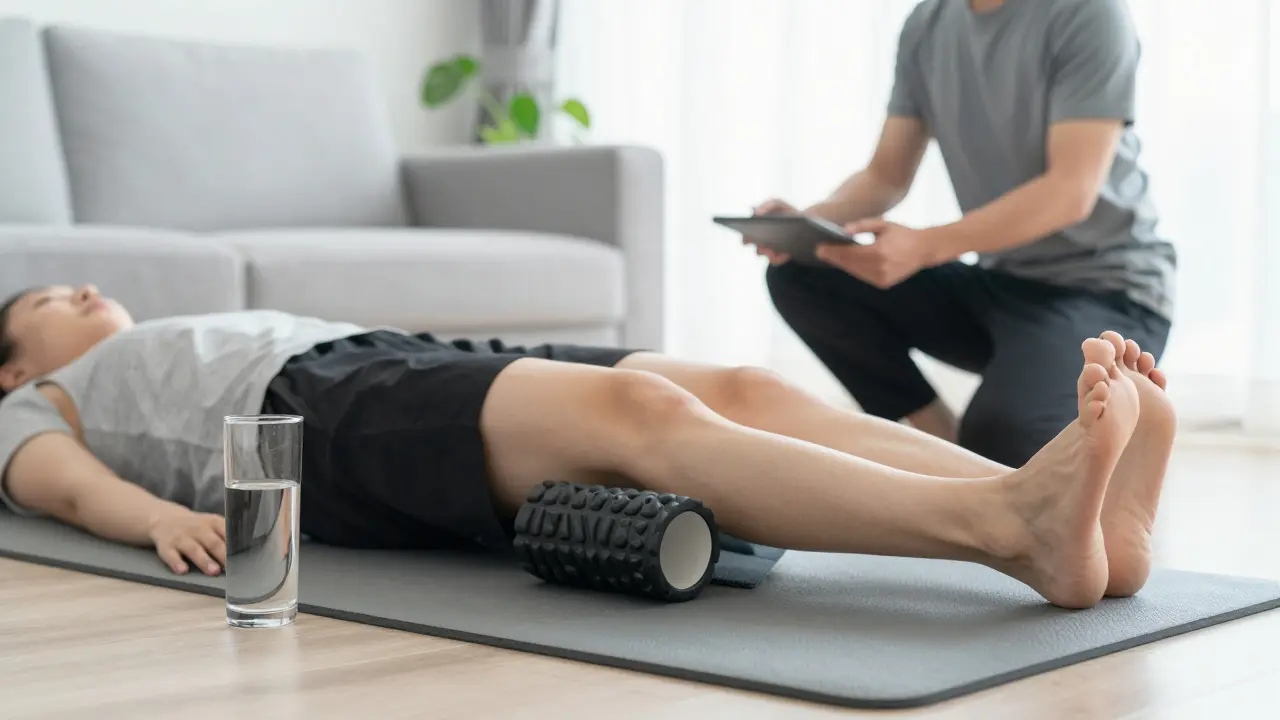
Phase 3: Home Care Your therapist should teach you exercises or stretches to do at home. Maybe they recommend a foam roller or a lacrosse ball for trigger points. Doing these daily reinforces the work done in the clinic.
Combine this with other self-care habits. Sleep helps your muscles recover. Hydration keeps your tissues pliable. If you skip sleep and hydration, even the best massage will lose its effect quickly.
Cost vs. Value
Medical massage costs more than a spa massage. Expect to pay $80-$150 per session depending on your location. Yes, it adds up. But compare it to the cost of ignoring the problem. Chronic pain leads to missed work days, expensive doctor visits, and potentially surgery. Investing in prevention is cheaper than paying for cure.
Check your insurance. Some plans cover medical massage if it’s prescribed by a doctor for a specific condition. Get a referral from your primary care physician or physical therapist. They can write a note stating that massage is medically necessary for your treatment plan. This might save you hundreds of dollars.
What to Expect During a Session
It’s not always pleasant. Medical massage can be intense. You might feel sore for a day or two afterward. This is normal. It’s similar to the soreness after a hard workout. Drink plenty of water to help flush out toxins released from the muscles.
Communication is vital. Tell your therapist exactly where it hurts and what kind of pain you feel. Sharp pain? Dull ache? Burning? They need this info to adjust their technique. If something hurts too much, say stop. Good pain feels like a stretch; bad pain feels like damage. There’s a big difference.
Also, expect a consultation. A good medical massage therapist will spend the first 10 minutes talking to you. They’ll look at your posture, ask about your job, and check your range of motion. This assessment guides the entire session. If they just turn on music and start rubbing, it’s not medical massage.
Combining With Other Therapies
Medical massage works best when combined with other treatments. It’s rarely a standalone cure. Pair it with:
- Physical Therapy: PT strengthens weak muscles; massage releases tight ones. Together, they restore balance.
- Yoga or Pilates: These improve flexibility and core strength, supporting the work done in massage.
- Ergonomic Adjustments: Fix your workstation. If you keep hurting yourself at your desk, massage will only provide temporary relief.
Think of your body like a car. Massage is the oil change. But if you drive on bald tires (poor posture) or ignore the check engine light (ignoring pain signals), the oil change won’t save you. You need a full maintenance plan.
Is medical massage painful?
It can be uncomfortable, especially if you have chronic tension or scar tissue. However, it should never be excruciating. A skilled therapist will work within your pain tolerance. Post-session soreness is common and usually lasts 24-48 hours.
Does insurance cover medical massage?
Sometimes. Coverage depends on your plan and whether a doctor prescribes it for a specific medical condition. You may need a referral from a primary care physician or physical therapist. Always check with your provider beforehand.
How often should I get medical massage?
During active treatment for an injury, weekly sessions are common for 4-6 weeks. For maintenance and prevention, once a month is usually sufficient. Listen to your body and your therapist’s advice.
Can medical massage replace physical therapy?
No. They serve different purposes. Physical therapy focuses on strengthening and functional movement. Medical massage focuses on soft tissue release and circulation. They work best together as complementary treatments.
Who performs medical massage?
Licensed Massage Therapists (LMTs) with additional training in clinical techniques. Look for certifications like CCMT or experience working in medical settings such as hospitals or rehabilitation centers.
 Health and Wellness