
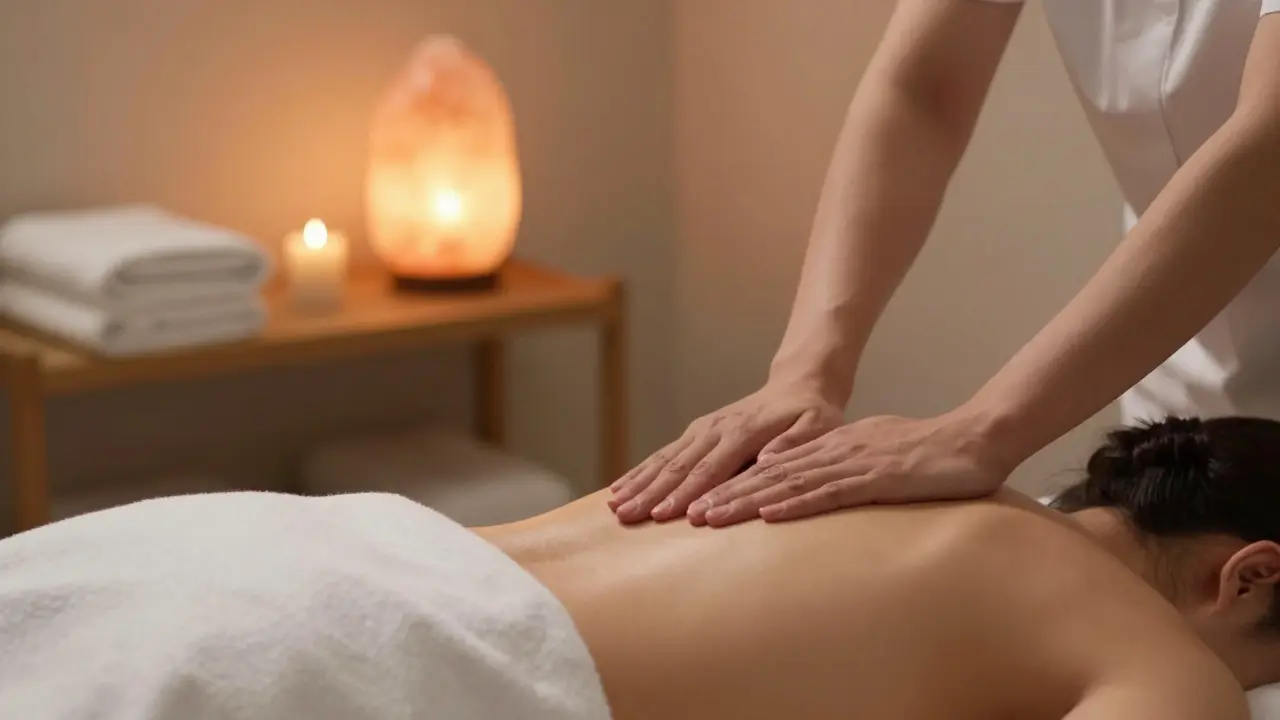
You walk into a spa, exhausted from a week of staring at screens and sitting in that same office chair. The therapist offers you a choice: "Deep tissue or Swedish?" You hesitate. Deep tissue sounds intense, maybe even painful. Swedish sounds... gentle. But is gentle enough to actually help your knot-filled shoulders?
Here’s the truth: Swedish massage isn’t just a light rub-down. It is a scientifically backed method for lowering cortisol, improving circulation, and resetting your nervous system. For most people, especially those new to massage or dealing with chronic stress, it is the best starting point-and often the best long-term solution.
What Exactly Is Swedish Massage?
Many people assume Swedish massage is just a casual back rub. In reality, it is a structured technique developed in the 19th century by Per Henrik Ling, a Swedish gymnast. While it shares roots with traditional Chinese massage, the modern style focuses on five specific strokes designed to relax the superficial layers of muscle.
The goal isn't to dig deep into scar tissue like deep tissue massage does. Instead, it aims to increase oxygen levels in the blood, decrease muscle toxins, and promote physical and mental relaxation without causing pain. If you have never had a massage before, this is almost certainly what you want.
How It Works: The Science Behind the Relaxation
Why does lying still while someone touches you feel so good? It’s not just placebo. Your body reacts to these specific touch patterns in measurable ways.
First, consider your parasympathetic nervous system. This is the "rest and digest" mode. When you are stressed, your sympathetic nervous system (fight or flight) takes over. Swedish massage signals your brain to switch gears. Studies published in journals like Complementary Therapies in Medicine show that regular sessions can significantly lower cortisol levels-the primary stress hormone.
Second, look at circulation. The long, gliding strokes (effleurage) move blood toward the heart. This helps flush out metabolic waste products like lactic acid that build up in muscles during exercise or prolonged poor posture. Better circulation means faster recovery and less stiffness.
- Lowers Heart Rate: Most clients experience a drop in heart rate within the first 15 minutes.
- Reduces Cortisol: Research indicates a potential 53% reduction in cortisol after a single session.
- Boosts Serotonin and Dopamine: These neurotransmitters improve mood and reduce anxiety.
- Improves Joint Mobility: By relaxing the muscles surrounding joints, range of motion increases naturally.
Swedish vs. Deep Tissue: Which One Do You Actually Need?
This is the most common question therapists get. Choosing the wrong one can lead to a bad experience-either too painful or not effective enough. Let’s break down the differences clearly.
| Feature | Swedish Massage | Deep Tissue Massage |
|---|---|---|
| Pressure Level | Light to Medium | Firm to Heavy |
| Primary Goal | Relaxation, Circulation | Pain Relief, Scar Tissue Breakdown |
| Best For | Stress, Anxiety, First-Timers | Chronic Pain, Injuries, Athletes |
| Pain Level | Minimal to None | Moderate to High ("Good Hurt") |
| Frequency | Weekly or Bi-weekly | Every 4-6 Weeks (as needed) |
If you wake up stiff but aren't in acute pain, Swedish is likely better. It prevents tension from building up in the first place. Deep tissue is reactive; it treats existing knots and adhesions. Think of Swedish as preventative maintenance and Deep Tissue as repair work.

Who Benefits Most From Swedish Massage?
While anyone can enjoy a massage, certain groups see the highest return on investment. Here is who should prioritize booking a Swedish session:
- Office Workers: If you sit for 8+ hours a day, your hips tighten and your shoulders hunch. Swedish massage releases this postural tension without bruising you.
- High-Stress Professionals: Lawyers, doctors, and executives often carry emotional stress physically. The parasympathetic activation provides a mental reset.
- Athletes in Recovery Mode: After a heavy training block, athletes need blood flow to heal. Swedish massage aids recovery without adding micro-tears to already tired muscles.
- People With Insomnia: The relaxation response makes it easier to fall asleep. Many clients report sleeping deeper for several days after a session.
- Elderly Individuals: Gentle pressure improves joint mobility and reduces the risk of falls by enhancing balance and proprioception.
The Five Strokes Explained
To understand why Swedish massage works, you need to know what the therapist is actually doing. They aren't just rubbing randomly. Each stroke has a purpose.
- Effleurage: Long, gliding strokes along the muscle fibers. This warms up the tissue and spreads oil. It’s the foundation of the massage.
- Petrissage: Kneading and squeezing the muscles. Imagine kneading dough. This lifts the muscle off the underlying bone, allowing for deeper manipulation and improved blood flow.
- Friction: Small, deep, circular movements. This targets specific tight spots (trigger points) and breaks up minor adhesions.
- Tapotement: Rhythmic tapping or chopping. This stimulates nerves and energizes the muscle. It’s invigorating rather than relaxing.
- Vibration: Rapid shaking motions. This helps relax tense muscles and soothe nerve endings.
A skilled therapist blends these seamlessly. You might start with effleurage to warm up, move to petrissage for general tension, use friction on a stubborn knot, and finish with tapotement to wake up the limbs.

How to Prepare and Recover
Getting the most out of your session isn't just about the hour on the table. What you do before and after matters significantly.
Before the Session:
- Drink water. Hydrated tissues respond better to manipulation.
- Avoid heavy meals. Eating right before can make you feel sluggish or nauseous when lying face down.
- Communicate your needs. Tell the therapist where it hurts. "My left shoulder is tight" is more helpful than "Just do whatever."
After the Session:
- Drink more water. Massage releases toxins from muscle tissue into the bloodstream. Water helps your kidneys filter them out.
- Take a warm bath. This extends the relaxation effect and soothes any residual soreness.
- Avoid strenuous activity. Give your body 24 hours to integrate the benefits. Going to the gym immediately after can negate the relaxation.
Cost and Frequency: How Often Should You Go?
In Adelaide and most major Australian cities, a 60-minute Swedish massage typically costs between $90 and $130 AUD. Prices vary based on the therapist's experience and the clinic's location.
For general wellness, once a month is sufficient. It keeps stress levels manageable and maintains flexibility. If you are dealing with acute stress or recovering from an injury, weekly sessions for 4-6 weeks may be recommended by your physiotherapist.
Many health funds in Australia offer rebates for massage therapy if prescribed by a doctor or allied health professional. Check your policy before booking.
Common Misconceptions About Swedish Massage
Despite its popularity, myths persist. Let’s clear them up.
Myth 1: It’s only for relaxation.
While relaxation is a huge benefit, the physiological changes-improved circulation, reduced inflammation, increased serotonin-have tangible health impacts beyond feeling calm.
Myth 2: More pressure is better.
This is false. Too much pressure causes the body to guard (tense up) against pain. Swedish massage uses the right amount of pressure to release tension without triggering a pain response.
Myth 3: You’ll be sore for days.
Unlike deep tissue, Swedish massage rarely causes significant soreness. Mild tenderness is possible, but you should generally feel lighter and looser, not bruised.
Is Swedish massage good for back pain?
Yes, particularly for non-specific lower back pain caused by muscle tension and stress. Swedish massage relaxes the tight muscles pulling on the spine, improving mobility and reducing discomfort. However, for structural issues like herniated discs, consult a physiotherapist first.
Can I get a Swedish massage if I’m pregnant?
Yes, but look for a therapist certified in prenatal massage. Standard Swedish techniques are modified to avoid certain pressure points and accommodate your changing body shape. Always get clearance from your obstetrician first.
How long does a typical Swedish massage last?
Sessions usually range from 30 to 90 minutes. A 60-minute session is the most common choice, allowing enough time to cover the entire back, legs, arms, and neck thoroughly.
Does Swedish massage help with anxiety?
Absolutely. By lowering cortisol and increasing serotonin and dopamine, Swedish massage directly counteracts the physiological symptoms of anxiety. Many people find it as effective as meditation for calming their mind.
Should I tip my massage therapist?
In Australia, tipping is not mandatory but is appreciated for exceptional service. A 10% tip is standard if you feel the therapist went above and beyond. In the US, tipping 15-20% is customary.
 Health and Wellness