
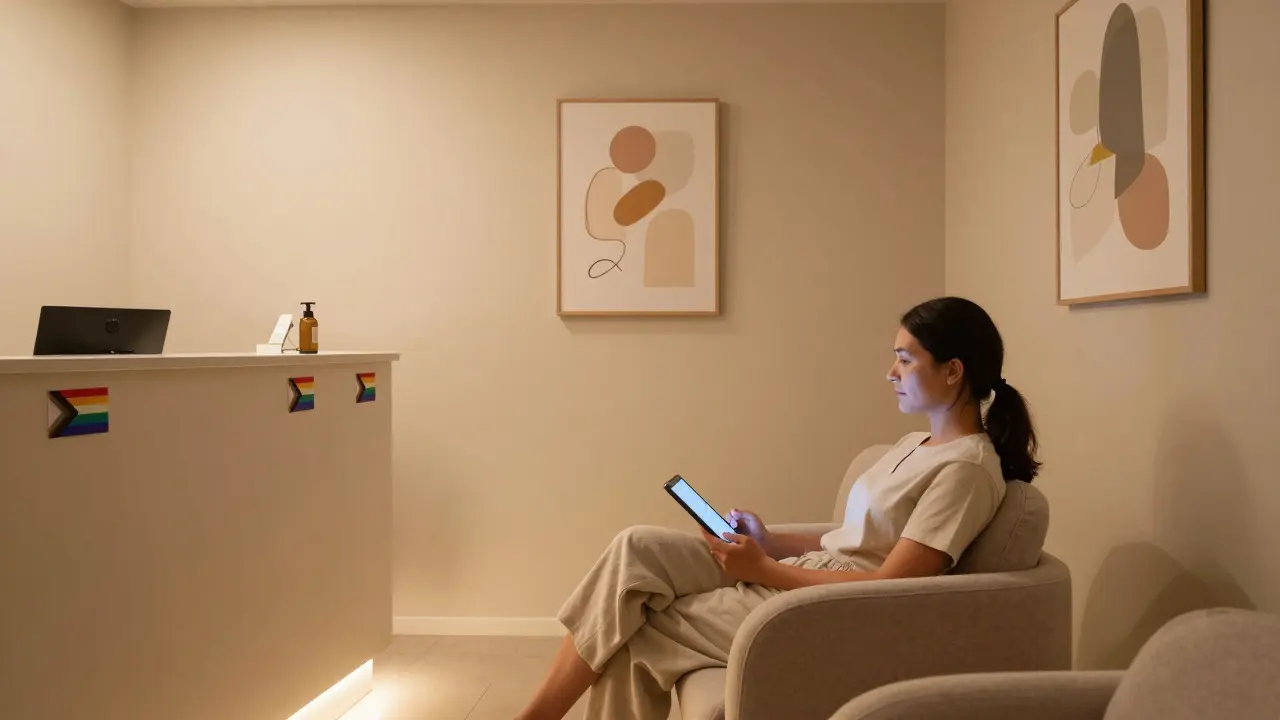
Imagine walking into a room where you don't have to explain who you are. You don't have to worry about awkward small talk or subtle judgments. You just want relief from that knot in your shoulder or the tension building up after a long week. For many people in the LGBTQ+ community, finding that kind of peace starts with choosing the right massage therapist. This is where the concept of gay massage comes in-not as a fringe service, but as a vital part of holistic health care.
When we talk about gay massage, we aren't talking about something exotic or hidden. We are talking about standard therapeutic techniques performed by practitioners who understand the specific needs, stressors, and bodies of LGBTQ+ clients. It’s about creating a safe, affirming environment where healing can actually happen. If you’ve ever felt out of place during a wellness session, this guide will help you navigate what to look for and why it matters.
What Exactly Is Gay Massage?
Let's clear up a common misconception right away. Gay massage isn't defined by the gender of the client or the therapist alone. It’s defined by the culture of the practice. A gay-friendly massage studio is a professional wellness center where staff are trained in LGBTQ+ cultural competency and provide an inclusive, non-judgmental atmosphere.
In practical terms, this means the therapist knows how to handle diverse body types without comment. They understand that "male" or "female" doesn't always fit neatly into medical forms. They are comfortable discussing sensitive topics like hormone replacement therapy (HRT) effects on muscle tissue or scar tissue from surgeries. It’s less about the technique-Swedish, deep tissue, and sports massage work the same way on everyone-and more about the emotional safety that allows your body to relax completely.
Think about it: if you’re tense because you’re worried the therapist might misgender you or make an assumption about your relationship status, your muscles won’t release. The nervous system stays in fight-or-flight mode. Gay massage removes that barrier, allowing the physical benefits of the treatment to take hold.
The Physical and Mental Health Connection
Why does this distinction matter so much? Because stress manifests physically. Chronic anxiety, often fueled by minority stress-the extra burden of living in a society that isn't fully accepting-leads to tight shoulders, lower back pain, and headaches. Regular massage therapy reduces cortisol levels and increases serotonin and dopamine. But only if you feel safe enough to let go.
| Feature | Traditional Clinic | LGBTQ+ Affirming Practice | |
|---|---|---|---|
| Intake Forms | Binary gender options only | Inclusive pronouns and gender identity fields | |
| Communication Style | May assume heteronormative context | Open, direct, and respectful of all identities | |
| Body Awareness | Standard protocols | Sensitive to HRT changes, scars, and diverse anatomy | |
| Atmosphere | Clinical or generic | Welcoming, visible inclusivity signals (flags, art) |
Beyond the immediate relaxation, there’s a deeper benefit. For trans and non-binary individuals, being touched in a clinical setting can sometimes trigger dysphoria. An affirming therapist knows how to adjust their approach. They might use draping techniques that respect your comfort zone or focus on areas that help ground you. This isn't just nice-to-have; it’s essential for effective treatment.
How to Spot a Truly Safe Space
Not every clinic that says "everyone is welcome" is truly equipped to serve the LGBTQ+ community. Here is how you can tell the difference before you book your appointment.
- Check the Website Language: Look for explicit mentions of LGBTQ+ inclusion. Do they list pronouns on their staff pages? Do they mention experience working with diverse populations? Vague statements like "we love everyone" are okay, but specific commitments are better.
- Look at Visual Cues: Does the office display rainbow flags, trans pride symbols, or inclusive art? These small details signal that the space is intentionally designed to be welcoming.
- Read Reviews Carefully: Search for reviews from other LGBTQ+ clients. Sites like Yelp or Google Maps often have filters or keywords you can search. Look for phrases like "felt safe," "understood my needs," or "no awkward questions."
- Ask Direct Questions: Call them up. Ask, "Do you have experience working with transgender clients?" or "Is your intake form inclusive of non-binary genders?" Their reaction will tell you everything you need to know. A good therapist will answer confidently and warmly.
In Calgary, for example, many spas have started updating their policies to reflect the city's progressive values. However, not all have caught up. Doing a little homework ensures you don't end up in a situation where you have to educate your therapist instead of getting relaxed.
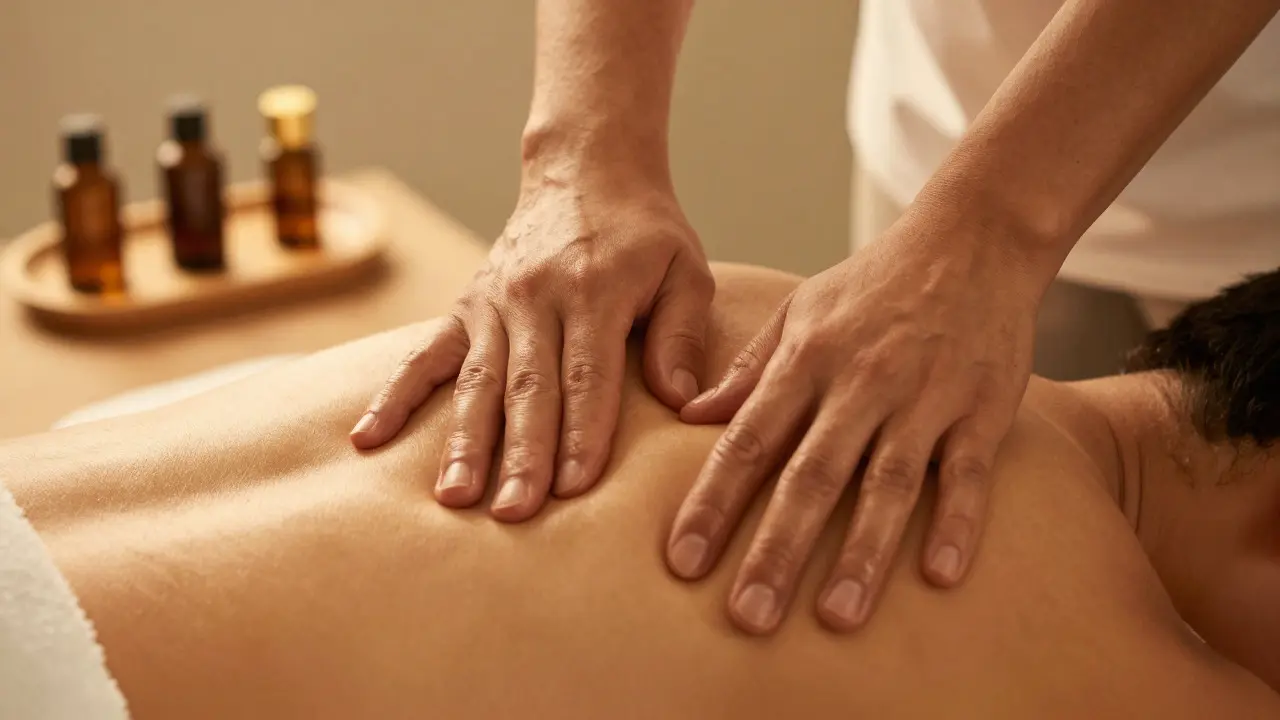
Types of Massage That Work Best
While any massage can be beneficial, certain modalities tend to resonate well with those seeking stress relief and body acceptance.
- Swedish Massage: This is the gold standard for relaxation. Long, gliding strokes promote circulation and ease muscle tension. It’s gentle, predictable, and great for first-timers who want to test the waters.
- Deep Tissue Massage: If you carry chronic stress in your neck and back, this technique targets the deeper layers of muscle. It can be intense, so communication is key. Make sure your therapist checks in frequently.
- Aromatherapy Massage: Adding essential oils can enhance the calming effect. Lavender, chamomile, and bergamot are known to reduce anxiety. Just ensure you disclose any allergies or sensitivities upfront.
- Hot Stone Massage: The heat helps muscles loosen up faster. Many people find the warmth comforting and grounding, which can be particularly helpful for those dealing with trauma or high anxiety.
Don't be afraid to mix and match. You might start with Swedish to build trust and then move to deep tissue once you feel comfortable with the practitioner.
Setting Boundaries and Communicating Needs
One of the biggest myths about massage is that you have to endure discomfort to get results. In reality, the best massages involve constant feedback. Your body belongs to you, and the therapist is there to serve your needs.
If a touch feels too hard, say so. If you want to skip a certain area, tell them. In an affirming space, these requests are met with professionalism, not offense. Use simple phrases like, "Could you lighten the pressure here?" or "I’d prefer to keep the drape over this area." Good therapists appreciate clarity because it helps them do their job better.
Also, discuss any medical conditions beforehand. Hormone therapy can affect skin sensitivity and muscle density. Surgery scars may need special handling. Being open about your health history ensures the therapist adjusts their technique appropriately.
Cost and Accessibility Considerations
Gay massage isn't necessarily more expensive than regular massage. In fact, some inclusive practices offer sliding scale fees or packages for regular clients. However, prices vary by location and therapist expertise. In major cities like Toronto, Vancouver, or Calgary, expect to pay between $80 and $120 CAD for a 60-minute session.
To make it more accessible, consider:
- Student Discounts: If you're a student, ask if the clinic offers reduced rates.
- Referral Programs: Some studios give discounts when you bring a friend.
- Insurance Coverage: While rare, some extended health plans cover massage therapy if prescribed by a doctor. Check with your provider.
Remember, investing in your mental and physical health is worth it. Don't let cost prevent you from accessing care that makes you feel whole.
Finding Community Through Wellness
Often, gay massage studios become hubs for local LGBTQ+ communities. They host events, partner with local organizations, and create networks of support. By choosing these spaces, you’re not just buying a service; you’re supporting businesses that champion equality.
This sense of belonging adds another layer of value. You might meet others who share similar experiences, exchange tips, or simply feel part of something larger. Wellness isn't just about individual health; it's about collective thriving.
Is gay massage different from regular massage?
The physical techniques are the same, but the environment and approach differ. Gay massage focuses on creating a culturally competent, affirming space where LGBTQ+ clients feel safe and understood, reducing anxiety and enhancing relaxation.
Do I need to be gay to go to a gay massage therapist?
No. Anybody can enjoy the services of an LGBTQ+ affirming therapist. Many straight clients choose these practitioners for their excellent communication skills and inclusive attitudes.
How do I find a reputable gay massage studio in my area?
Search online for "LGBTQ+ friendly massage" plus your city name. Check reviews specifically from queer clients. Look for websites that explicitly state their inclusivity policies and display pride symbols.
What should I wear to a massage appointment?
You typically undress to your level of comfort. The therapist will drape you with sheets and towels, exposing only the area being worked on. You can keep underwear on or remove it entirely based on your preference.
Can massage help with gender dysphoria?
While massage doesn't cure dysphoria, an affirming therapist can help manage the physical tension and anxiety associated with it. Techniques that promote grounding and body awareness can provide significant relief.
 Health and Wellness