
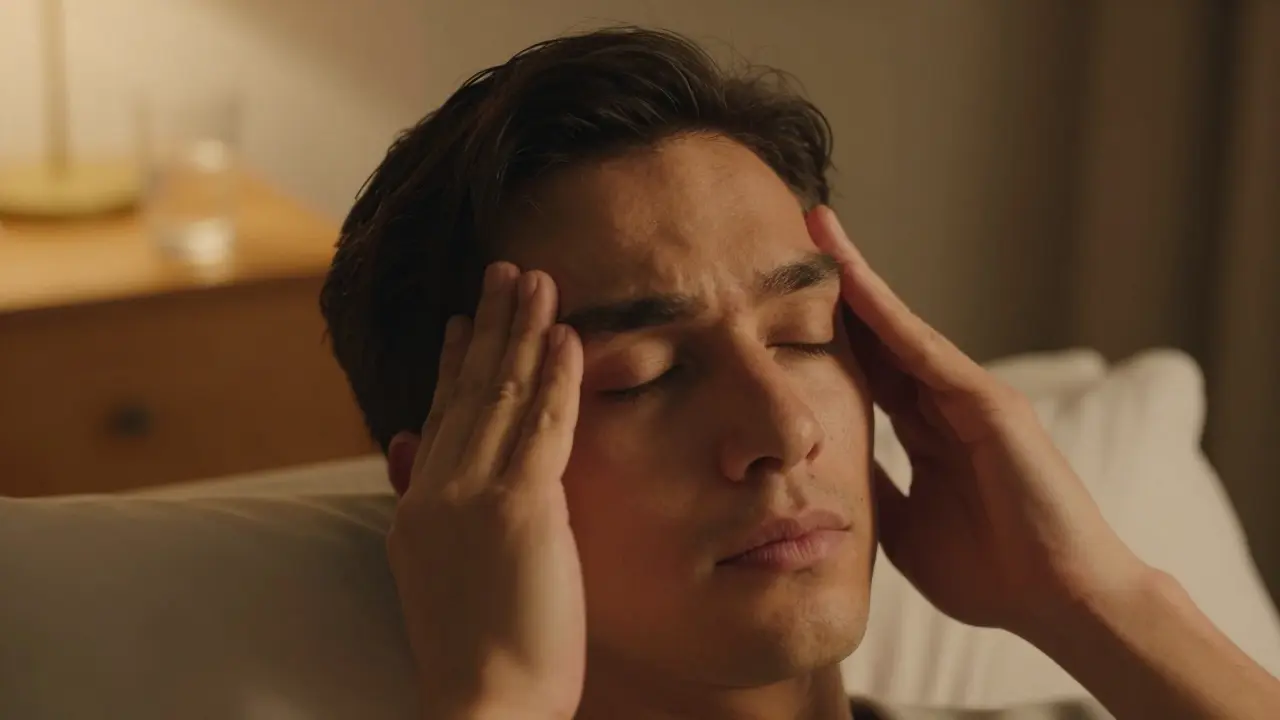
Ever felt like your brain is wrapped in cotton wool? That heavy, foggy sensation usually isn't just mental fatigue; it's often physical tension building up in your neck and scalp. You might be sitting at a desk for hours, staring at screens, holding your shoulders up by your ears without even realizing it. This chronic tension restricts blood flow and leaves you feeling drained, irritable, and unable to focus. The good news is that you don't need an expensive spa day or a complex routine to fix it. A simple, intentional head and scalp massage can reset your nervous system, boost circulation, and leave you feeling lighter within minutes.
We often neglect the top of our heads because it’s out of sight. But the scalp is packed with nerve endings-more than almost any other part of your body. When those nerves are tight, they send signals of pain and stress straight to your brain. By manually stimulating this area, you interrupt that cycle. It’s not just about feeling good; it’s a physiological hack to lower cortisol levels and increase oxygen delivery to your tissues. Let’s look at exactly how to do it right, what tools help, and why this ancient practice is making a huge comeback in modern wellness routines.
The Science Behind the Sensation
Why does rubbing your head feel so incredibly good? It comes down to anatomy and physiology. Your scalp contains thousands of sensory receptors connected directly to the trigeminal nerve, which handles sensation for most of your face and head. When you apply pressure and movement to these areas, you trigger the release of endorphins-your body’s natural painkillers and mood lifters.
Beyond the immediate pleasure, there is a mechanical benefit. Tension headaches often start as muscle knots in the suboccipital muscles (the small muscles at the base of your skull) and spread upward into the scalp fascia. Tight fascia restricts blood vessels, meaning less oxygen reaches your hair follicles and brain cells. Massaging the scalp breaks up this restriction. Studies have shown that regular scalp massage can significantly reduce symptoms of anxiety and depression by activating the parasympathetic nervous system-the "rest and digest" mode. It’s a direct line from your hands to your brain’s relaxation center.
Does scalp massage actually help with hair growth?
While it won't magically grow hair overnight, research suggests that daily scalp massage can stretch skin cells responsible for hair growth, leading to thicker hair over time. More importantly, improved blood circulation delivers more nutrients to the follicles, creating a healthier environment for hair to thrive. Think of it as weeding and watering your garden rather than forcing plants to grow.
Preparing Your Space and Tools
You don’t need a professional clinic to get results. In fact, doing this at home allows you to control the pressure and frequency. However, having the right setup makes a difference. Start by finding a quiet spot where you won’t be interrupted. Dim the lights if possible, or put on some low-fi beats or nature sounds. Audio cues help signal to your brain that it’s time to switch off.
Consider using a few simple tools:
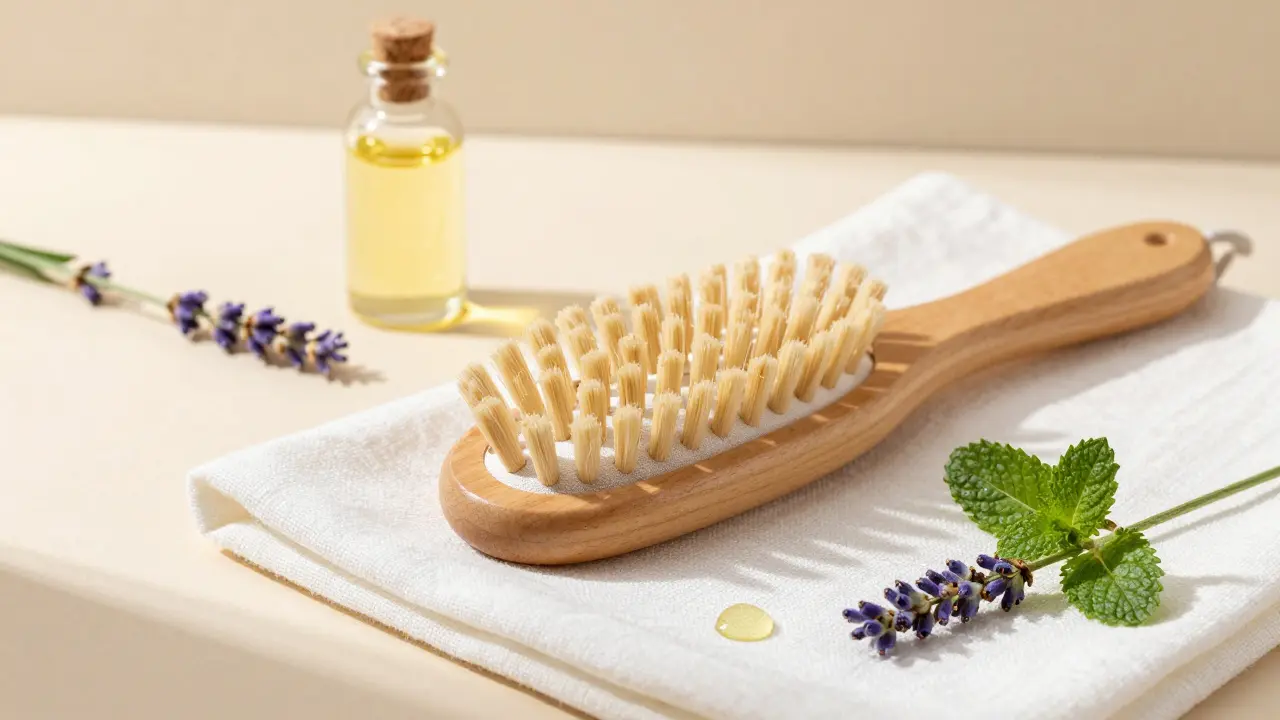
- A wooden or silicone scalp massager: These handheld devices have soft bristles that reach the skin through thick hair better than fingers alone. They provide consistent pressure and cover a wider area quickly.
- Carrier oil: Dry friction can irritate the scalp. Use a lightweight oil like jojoba, argan, or sweet almond oil. These oils mimic your scalp’s natural sebum, reducing drag and adding moisture. Avoid heavy coconut oil if you have fine hair, as it can weigh it down.
- Aromatherapy essential oils (optional): Adding a drop of lavender or peppermint oil to your carrier oil can enhance the relaxation effect. Lavender calms the mind, while peppermint provides a cooling sensation that wakes up tired nerves.
If you don’t have tools, your fingertips are perfectly fine. Just make sure your nails are trimmed short to avoid scratching the delicate skin.
Step-by-Step: The Ultimate Scalp Reset Technique
This routine takes about five to ten minutes. Consistency matters more than duration. Try to do this once a day, perhaps before bed to help you sleep, or in the morning to wake up your senses.
- Warm Up the Neck: Never jump straight into the scalp. Start by gently massaging the back of your neck, focusing on the base of the skull. Use your thumbs to press into the hollows on either side of your spine. Hold for five seconds, then release. Repeat three times. This loosens the gateway to the scalp tension.
- The Circular Motion Sweep: Apply a few drops of oil to your palms and rub them together to warm it up. Place your fingertips on your forehead. Using firm but gentle pressure, move in small circles across your entire scalp. Move from the hairline back to the crown, then down to the nape of the neck. Imagine you’re trying to move your scalp skin against your skull. Do this for two minutes.
- Target the Temples: Tension often pools around the temples. Use your index fingers to press lightly into the soft spots on your temples. Make slow, clockwise circles. If you feel tenderness, linger there for a moment. This helps relieve eye strain and frontal headaches.
- The "Rake" Method: Spread your fingers wide apart. Starting at the front hairline, rake your fingers backward toward the back of your head, applying medium pressure. As you reach the back, lift your hands and return to the front. Repeat this ten times. This mimics the action of combing but adds therapeutic pressure.
- Finish with Pressure Points: Locate the points just above your ears, where your jaw hinges. Press firmly with your index fingers for ten seconds. Then, find the point between your eyebrows. Gently press and hold for five seconds. End by taking three deep breaths, inhaling through your nose and exhaling slowly through your mouth.
Common Mistakes to Avoid
It’s easy to go wrong when you’re eager to relieve tension. Here are the pitfalls that turn a relaxing session into a headache-inducing one.
Using too much force: The scalp is sensitive. Aggressive scrubbing can cause micro-tears in the skin or break hair shafts. You want to feel pressure, not pain. If you wince, lighten up. The goal is stimulation, not bruising.
Neglecting the edges: Many people only massage the top of their head. But the hairline and the area behind the ears are prime spots for tension buildup. Ensure your movements cover the entire surface, including the sides and back.
Skippping the neck: As mentioned earlier, the neck muscles anchor the scalp. If you don’t loosen the neck first, the scalp muscles will just tighten back up immediately after you finish. Always include the suboccipital area in your routine.
Doing it on a dirty scalp: If you have dandruff or product buildup, massaging can push debris deeper into follicles or irritate inflamed skin. Wash your hair first if needed, or use a pre-shampoo oil treatment. Clean skin absorbs oil better and responds more effectively to touch.

When to See a Professional
While DIY massage is great for maintenance, sometimes you need extra help. Consider booking a session with a licensed massage therapist or a trichologist (hair and scalp specialist) if:
- You suffer from chronic migraines that aren’t relieved by self-massage.
- You notice significant hair thinning or bald patches, which could indicate alopecia or hormonal issues.
- Your scalp is itchy, red, or flaky beyond normal dryness, suggesting psoriasis or eczema.
- You have limited mobility in your arms or shoulders, making self-massage difficult.
Professionals can use deeper techniques, such as myofascial release, which targets the connective tissue layers beneath the skin. They can also identify specific trigger points that you might miss on your own.
Integrating Massage into Your Daily Routine
The key to long-term benefits is habit formation. Don’t wait until you’re exhausted to start. Integrate small moments of care into your existing schedule.
Morning Wake-Up: Spend two minutes massaging your scalp while brushing your teeth. It gets the blood flowing and wakes up your brain faster than caffeine alone.
Work Break: Set a timer for every hour. Stand up, stretch your neck, and give your temples a quick rub. This prevents the "tech neck" posture from hardening into chronic tension.
Pre-Sleep Ritual: Replace scrolling on your phone with a five-minute scalp massage. The physical act of slowing down, combined with the release of calming neurotransmitters, signals to your body that it’s safe to rest. Pair this with reading a book or listening to calm music for best results.
Remember, rejuvenation isn’t a one-time event. It’s a practice. By dedicating just a few minutes each day to caring for your head and scalp, you invest in clearer thinking, reduced stress, and a healthier appearance. Your brain works hard for you all day; show it some appreciation.
How often should I massage my scalp?
For general relaxation and circulation, daily massage is safe and beneficial. For hair growth concerns, studies suggest massaging for four minutes daily yields the best results. Listen to your body; if your scalp feels sore, take a day off.
Can I massage my scalp if I have oily hair?
Yes, but use very little oil or none at all. Focus on dry massage techniques using your fingertips. You can also try massaging before washing your hair to stimulate natural oil production evenly, preventing the roots from getting greasy too fast.
Is it okay to massage my scalp every day?
Absolutely. Unlike vigorous exercise, gentle scalp massage does not cause overtraining. Daily practice helps maintain low tension levels and keeps blood flow optimal. Just ensure you are not pulling your hair or scratching your skin.
What is the best time of day for a head massage?
There is no single "best" time. Morning massages boost alertness, afternoon massages combat fatigue, and evening massages promote sleep. Choose the time that fits your schedule and addresses your immediate needs.
Does scalp massage help with tinnitus?
Some people report temporary relief from tinnitus (ringing in the ears) due to improved blood flow and relaxation of the jaw and neck muscles. However, it is not a cure for underlying medical causes. Consult a doctor if tinnitus persists.
 Health and Wellness