
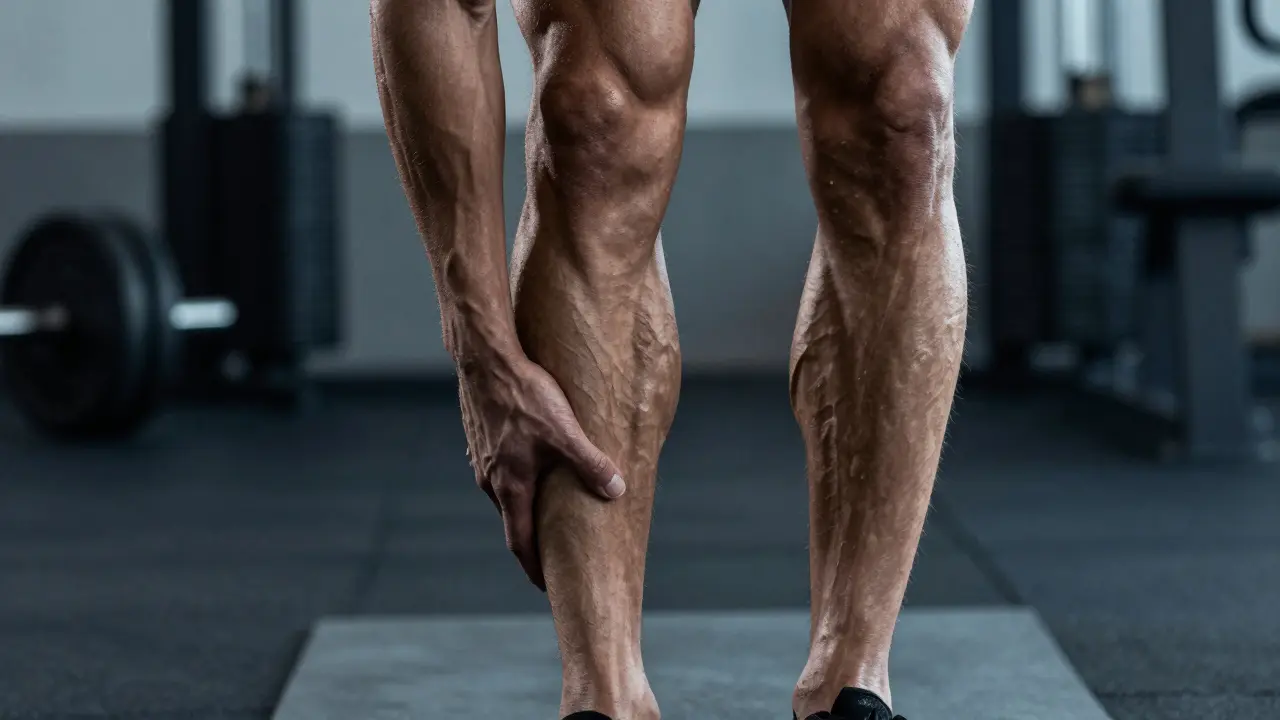
Think about the last time you hit a wall during a workout. Maybe your calves felt like concrete, or a nagging pinch in your shoulder kept you from hitting a new personal best. Most athletes treat this as just "part of the grind," but that stiffness is actually your body screaming for a reset. While stretching and foam rolling help, they can't reach the deep-seated tension that a professional therapist can target. Getting a sports massage isn't just a luxury for Olympic gold medalists; it's a strategic tool to keep your joints moving and your muscles firing at 100%.
To get the most out of it, we first need to understand that Sports Massage is a targeted form of soft-tissue therapy designed specifically to help people who exercise regularly, from weekend warriors to professional athletes. Unlike a relaxing Swedish massage where you might fall asleep on the table, this is active work. It focuses on manipulating the muscles, tendons, and ligaments to reduce inflammation and improve flexibility.
Quick Wins for Your Recovery
- Faster Waste Removal: Helps flush metabolic waste like lactic acid from the muscle tissue.
- Better Range of Motion: Breaks up adhesions (knots) that lock your joints.
- Injury Shield: Identifies tight spots before they turn into full-blown strains or tears.
- Mental Reset: Lowers cortisol levels, which helps you sleep better and recover faster.
The Science of Why Your Muscles Knot Up
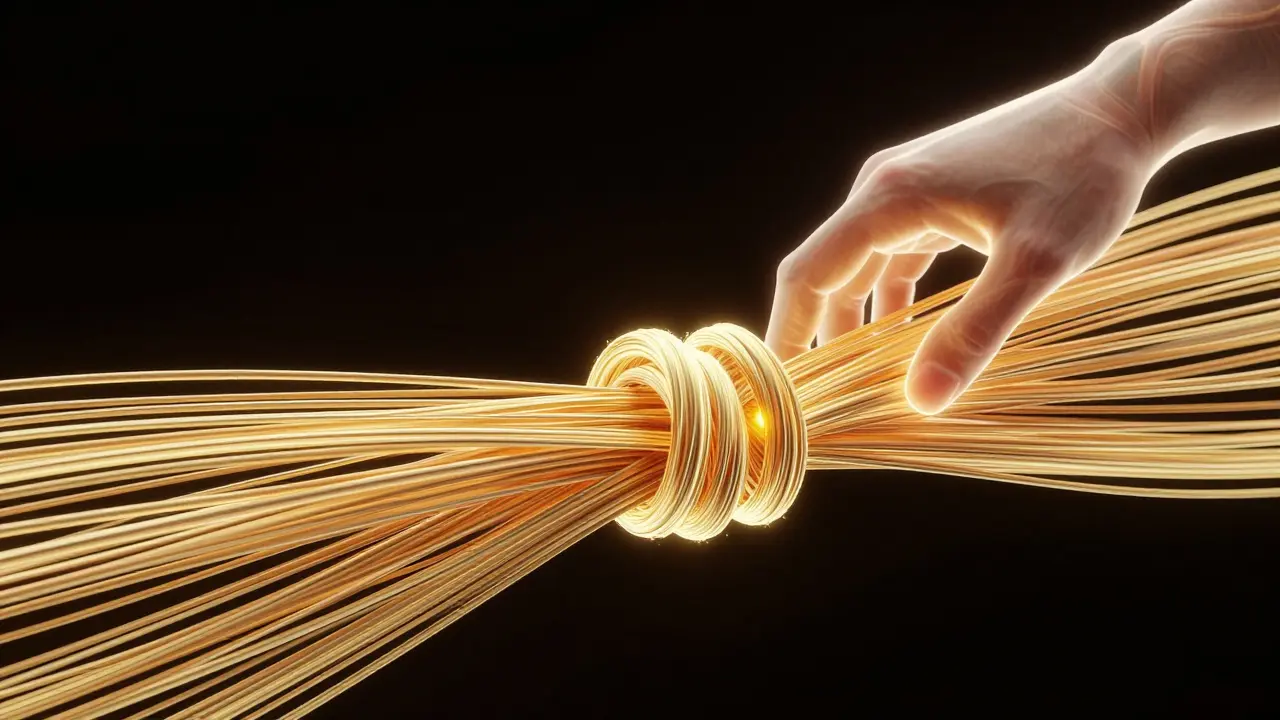
When you train hard, you create microscopic tears in your muscle fibers. This is normal-it's how you get stronger. However, as these fibers heal, they can form "trigger points" or adhesions. Imagine your muscle fibers are like a neat bundle of silk threads; when they knot up, it's like a tangle in those threads. You can't just pull the ends to fix it; you need someone to physically unweave the knot.
A therapist uses techniques like Myofascial Release, which focuses on the connective tissue (fascia) that wraps around every muscle. When the fascia becomes tight or dehydrated, it restricts blood flow and limits how far your muscle can stretch. By applying sustained pressure, the therapist "melts" these restrictions, allowing the muscle to glide smoothly again.
Matching the Massage to Your Training Phase
Not every session should feel the same. If you get a deep-tissue pounding the day before a marathon, you'll likely wake up feeling sore and sluggish. You need to align the type of treatment with where you are in your training cycle.
| Training Phase | Massage Goal | Technique Used | Expected Feeling |
|---|---|---|---|
| Pre-Event (Warm-up) | Activation & Blood Flow | Fast strokes, percussion | Energized, alert |
| Post-Event (Recovery) | Drainage & Relaxation | Long, light effleurage | Calm, "heavy" limbs |
| Maintenance (Off-season) | Correcting Imbalances | Deep tissue, trigger point | Intense, "good pain" |
The Power of Deep Tissue and Trigger Point Therapy
If you've ever felt a sharp pain in your shoulder that seems to radiate up your neck, you're likely dealing with a trigger point. Trigger Point Therapy is a method where the therapist applies concentrated pressure to a specific hyper-irritable spot in the muscle. This creates a "ischemic compression"-essentially stopping blood flow for a few seconds and then letting it rush back in, which floods the area with fresh oxygen and nutrients.
This process is closely linked to Deep Tissue Massage, which targets the inner layers of your muscles and connective tissues. It's specifically useful for chronic issues, like a runner with permanent tightness in their IT Band or a weightlifter with restricted shoulder mobility. By reaching the deeper layers, the therapist can release tension that a foam roller simply cannot touch because of the angle of the body.
Preventing the "Pop": How Massage Stops Injuries
Most injuries don't happen because of one bad move; they happen because of a pattern of imbalance. For example, if your hip flexors are too tight, your pelvis tilts forward, forcing your lower back to overcompensate. Eventually, something gives-usually a disc or a strained muscle in the lumbar region.
Regular sessions allow a therapist to spot these imbalances early. They might notice that your left quad is significantly tighter than your right, suggesting you're favoring one leg during your stride. By releasing that tension, they restore Biomechanical Alignment, ensuring that the load of your exercise is distributed evenly across your joints. This is the difference between training for two years straight and being sidelined for six months with a tear.

Integrating Massage into Your Weekly Routine
You don't need a session every day, but consistency is key. For most active people, a once-a-month "maintenance" session is enough to keep things moving. However, during a heavy training block-like preparing for a triathlon or a powerlifting meet-increasing this to once every two weeks can prevent the cumulative fatigue from becoming a chronic injury.
To get the best results, follow these simple rules:
- Hydrate aggressively: Massage releases metabolic waste into your bloodstream. Water helps your kidneys flush these toxins out of your system.
- Communicate the intensity: Use a scale of 1 to 10. If you're tensing up or holding your breath because the pressure is too high, your muscles will actually fight the massage, making it less effective.
- Move gently after: Do some light walking or dynamic stretching after a session to keep the newly loosened tissues mobile.
Common Myths About Sports Massage
There's a common belief that a massage "has to hurt to work." This is a myth. While deep tissue work can be uncomfortable, intense pain often triggers a protective reflex where the muscle contracts to prevent injury. If you're grimacing and digging your toes into the carpet, you're not relaxing-you're resisting. The goal is "productive discomfort," not agony.
Another misconception is that sports massage is only for people who play organized sports. In reality, anyone with a repetitive physical habit-whether it's cycling to work, gardening, or spending ten hours at a desk-benefits from the same principles of tissue release and circulation improvement.
Will I be sore after a sports massage?
It's common to feel some tenderness for 24 to 48 hours, similar to how you feel after a tough gym session. This is usually due to the movement of fluids and the release of tension in areas that have been tight for a long time. If you're extremely sore, it might mean the pressure was too high for your current tissue tolerance.
Can I get a sports massage if I'm currently injured?
Yes, but with caution. Massage is great for rehabilitation, but you should avoid direct pressure on acute injuries like a fresh sprain, a bone fracture, or an active blood clot (DVT). Always tell your therapist exactly where the injury is and provide a medical diagnosis if you have one so they can work around the injury to support the healing process.
How is this different from a regular massage?
A regular relaxation massage focuses on calming the nervous system and reducing general stress. A sports massage is functional. It uses specific techniques like frictions, compressions, and stretching that target the specific muscle groups you use in your sport, often focusing on a problem area for the majority of the session rather than a full-body general approach.
How often should I book a session?
For general health and maintenance, once every 4 to 6 weeks is typically sufficient. If you are in an intense training phase or recovering from a specific injury, once every 1 to 2 weeks is more effective until the issue is resolved.
Do I need to do anything to prepare for my appointment?
The best thing you can do is drink plenty of water throughout the day. Avoid eating a huge, heavy meal immediately before your session, as the increase in blood flow to your muscles can sometimes make you feel nauseous if your body is trying to digest a large amount of food at the same time.
 Health and Wellness