
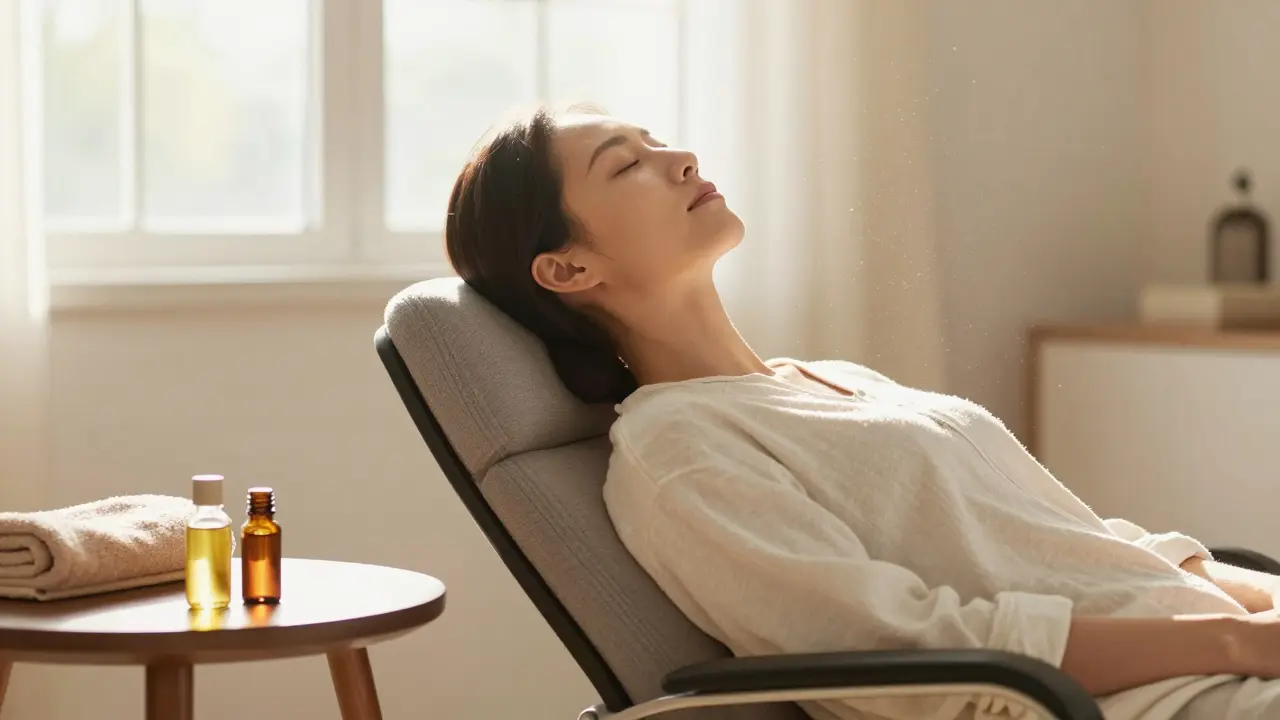
Why Your Head Needs a Little Love
We spend most of our days staring at screens, carrying tension in our shoulders, and ignoring that tight feeling building up behind our eyes. You might think a head and scalp massage is just a spa luxury reserved for expensive weekend getaways. It’s not. In reality, it’s one of the fastest ways to reset your nervous system, improve blood flow, and actually help your hair grow stronger.
I’ve spent years testing different techniques-from quick five-minute desk resets to full thirty-minute self-care rituals-and I can tell you this: doing it wrong feels like scratching an itch you can’t reach. Doing it right feels like turning off a switch in your brain that says “relax.” The difference comes down to pressure, rhythm, and knowing exactly where to touch.
If you’re looking to relieve tension headaches, reduce anxiety, or just feel more grounded after a long day, this guide will walk you through the exact steps. No fancy tools required. Just your hands, maybe some oil, and about ten minutes.
The Science Behind the Touch
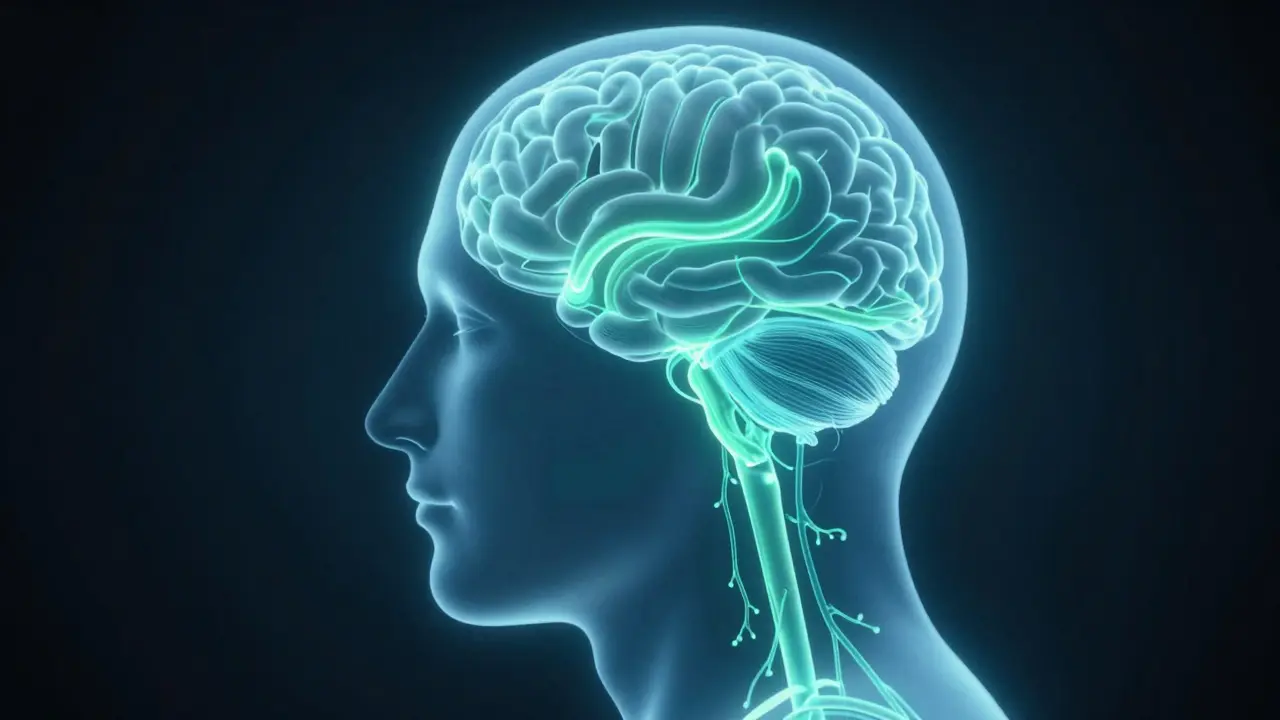
Before we get into the moves, let’s talk about why this works. Your scalp isn’t just skin; it’s packed with nerve endings and blood vessels. When you apply gentle, rhythmic pressure, you stimulate the parasympathetic nervous system. This is the part of your body responsible for “rest and digest” mode. It lowers cortisol levels, slows your heart rate, and reduces muscle tension in the neck and jaw.
Studies published in journals like the Journal of Clinical Nursing have shown that regular head massage can significantly reduce stress and anxiety. Additionally, increased blood circulation to the follicles delivers more oxygen and nutrients, which supports healthier hair growth. Think of it as fertilizing the soil so the plant (your hair) can thrive.
But here’s the catch: aggressive scrubbing doesn’t work. In fact, it can cause breakage and irritation. The goal is stimulation, not abrasion. You want to wake up the nerves, not bruise the tissue.
Gathering Your Tools
You don’t need a professional kit to start. However, having the right setup makes a huge difference in comfort and effectiveness.
- Your Fingernails: Keep them short and filed smooth. Sharp nails scratch the scalp, leading to micro-tears and potential infection.
- A Massage Oil or Serum: Dry friction is your enemy. Use a light carrier oil like jojoba oil, argan oil, or even coconut oil if you have thicker hair. These lubricate the scalp and allow your fingers to glide without pulling.
- A Comfortable Space: Find a chair with good back support or lie down on a bed. You want your neck muscles to be completely relaxed before you begin.
- Optional Tool: A scalp massager brush can be helpful for hard-to-reach spots, but your fingertips are more sensitive and allow for better pressure control.
Step-by-Step Technique: The Perfect Routine
Follow these steps in order. Start slow. If anything hurts, stop immediately. Pain means you’re pressing too hard or hitting a sensitive spot.
- Warm Up the Neck: Before touching your scalp, use your thumbs to gently press along the base of your skull. Move from the center outward toward your ears. Hold each spot for three seconds. This releases tension that often travels up into the head.
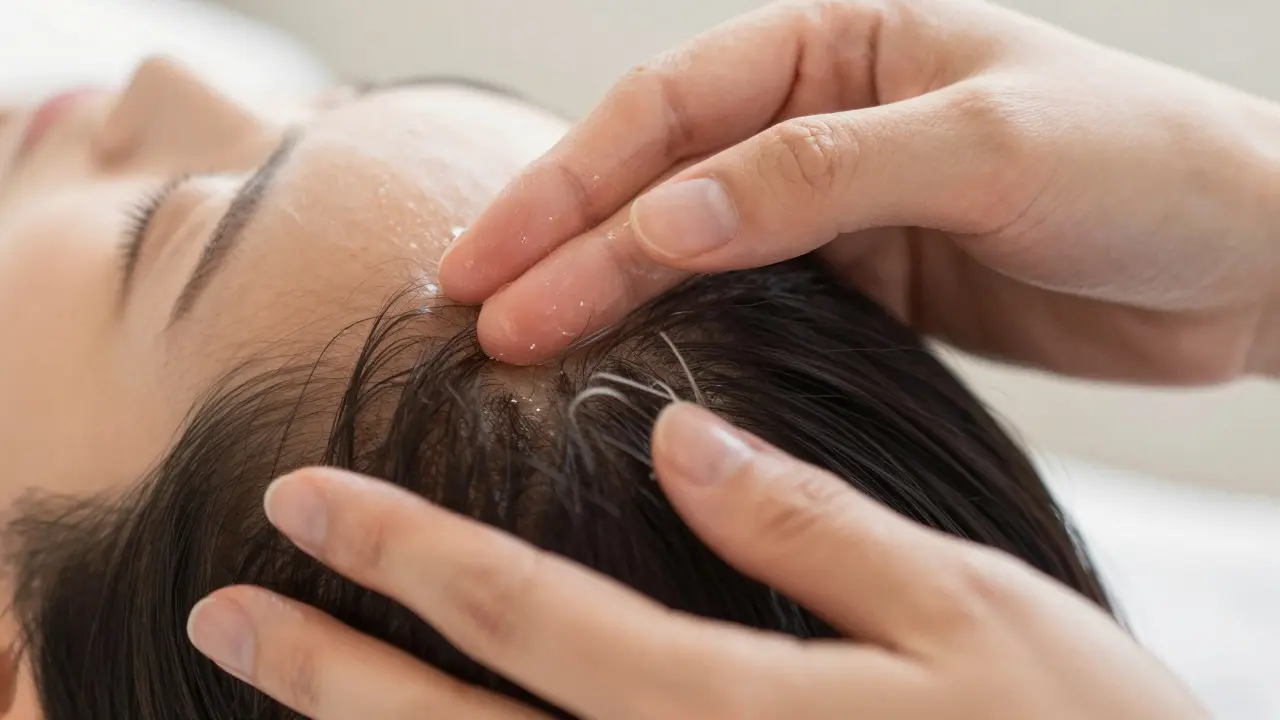
- Apply Oil: Pour a small amount of oil into your palms. Rub your hands together to warm it up. Part your hair in sections and apply the oil directly to the scalp, not just the hair strands. Focus on the temples, crown, and nape.
- Circular Motions: Place your fingertips (not nails) on your scalp. Use small, circular motions. Imagine you’re tracing tiny coins across your head. Move slowly. Spend two minutes on the forehead area, moving backward toward the crown.
- The "W" Pattern: For the sides of your head, trace the shape of the letter "W" with your fingertips. Start near the ear, go up toward the temple, curve back down, and repeat. This targets the temporalis muscles, which are common sites for tension headaches.
- Kneading the Crown: Place both hands on top of your head. Gently lift and knead the scalp skin away from the skull. It should feel like you’re squeezing a soft sponge. Do this for one minute. This boosts circulation significantly.
- Finish at the Nape: End by running your fingers from the crown down to the nape of your neck. Use long, sweeping strokes. This signals to your body that the session is ending and helps drain lymphatic fluid.
Common Mistakes to Avoid
Even simple routines can go wrong if you miss a few key details. Here is what most people do incorrectly:
- Using Too Much Pressure: Your scalp is delicate. If you leave red marks or feel soreness afterward, you were too rough. The sensation should be pleasant and tingling, not sharp.
- Rushing: Speed kills the benefit. Slow movements trigger relaxation responses faster than fast ones. Aim for one circle per second.
- Ignoring the Hairline: Many people skip the front hairline because it’s awkward to reach. But this area holds significant tension from facial expressions and screen glare. Don’t skip it.
- Dry Scalp Friction: Never massage a dry scalp vigorously. It causes static, breaks hair shafts, and irritates the skin. Always use a slip agent like oil or water-based serum.
When to Get Professional Help
While self-massage is great for maintenance, there are times when you should see a professional. If you experience chronic migraines, severe dizziness, or unexplained hair loss, consult a doctor first. A licensed massage therapist or dermatologist can identify underlying issues like psoriasis, seborrheic dermatitis, or nerve compression that require medical treatment.
For general wellness, however, a weekly ten-minute routine at home is highly effective. Consistency matters more than intensity. Five minutes every day beats thirty minutes once a month.
Can scalp massage really help hair growth?
Yes, indirectly. Massage increases blood circulation to the hair follicles, delivering essential nutrients and oxygen. Studies suggest that regular massage can thicken hair over time by reducing mechanical stress on the fibers and stimulating dormant follicles. However, it is not a cure for genetic baldness or hormonal hair loss.
How often should I give myself a head massage?
For best results, aim for 3-5 times per week. Daily sessions of 5-10 minutes are ideal for stress management. If you are using heavy oils, you may want to space them out to avoid buildup, using water-based serums on other days.
Is it safe to massage my scalp if I have dandruff?
It depends on the cause. If dandruff is caused by dry skin, gentle massage with moisturizing oils can help. If it is caused by a fungal infection like seborrheic dermatitis, vigorous scratching can worsen inflammation. Use anti-dandruff shampoos first and massage very gently to avoid spreading irritation.
What is the best oil for scalp massage?
Jojoba oil is closest to natural human sebum, making it suitable for all hair types. Argan oil is great for dry, brittle hair. Coconut oil penetrates the hair shaft well but can be heavy for fine hair. Tea tree oil has antimicrobial properties but must be diluted in a carrier oil to avoid burning.
Can head massage help with insomnia?
Yes. By activating the parasympathetic nervous system, head massage lowers heart rate and promotes relaxation. Many people find that a gentle scalp massage before bed helps quiet racing thoughts and prepares the body for sleep. Combine it with deep breathing for maximum effect.
 Health and Wellness