
African Tradition in Massage: Roots, Techniques, and Modern Healing
When we talk about African tradition, a rich, diverse system of bodywork rooted in communal healing, spiritual connection, and natural remedies. Also known as traditional African bodywork, it is not just about touch—it’s about restoring balance between the body, spirit, and environment. Unlike Western massage styles that focus on muscles and pressure points, African tradition often treats the whole person: mind, energy, and ancestry. Healing isn’t just physical—it’s social, spiritual, and sometimes even ceremonial. These practices have been passed down for generations, long before modern spas or licensed therapists existed.
Many African healing systems use rhythmic movements, herbal oils, and drumming to guide the flow of energy. In West Africa, for example, traditional healing, a holistic approach combining touch, prayer, and plant-based treatments is often led by elders or healers who read the body’s signals like a map. In East Africa, bodywork, a term covering everything from deep tissue rubbing to joint mobilization using natural tools like gourds and stones is tied to rites of passage and community bonding. These aren’t just techniques—they’re living customs. And while modern massage may borrow the idea of hot stones or herbal oils, African tradition gives them meaning: a stone isn’t just warm—it carries ancestral energy; oil isn’t just slippery—it’s a blessing.
What you’ll find in the posts below isn’t a list of African massage spas in Prague. Instead, you’ll see how these ancient ideas quietly live on in today’s practices. The rhythmic flow of Lomi Lomi? It echoes West African hand movements. The use of oils in Ayurveda? Similar to the shea and baobab oils used for centuries in Senegal and Tanzania. Even blind massage—where touch becomes the primary sense—mirrors traditions where healers rely on intuition over sight. These aren’t coincidences. They’re connections.
You won’t find a single book or certification for African tradition in massage because it was never meant to be boxed. It’s alive—in the hands of grandmothers, in village rituals, in the way someone rubs your back after a long day and says, "I feel your pain." The posts here don’t sell it. They show it. Whether it’s through stone massage, bamboo therapy, or oil rituals, you’ll see how deep, cultural roots shape the way we touch—and heal—today.
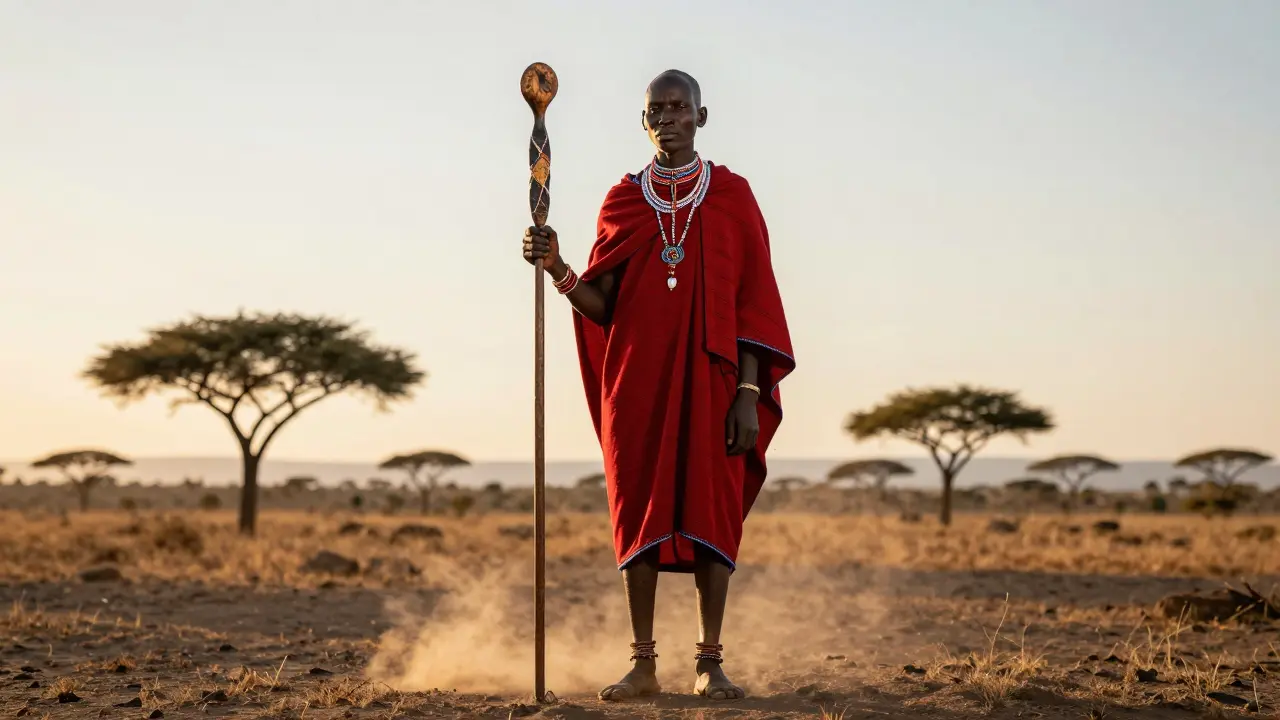
The rungu is a traditional African wooden club that carries deep cultural meaning beyond its use as a weapon. Used by the Maasai and other East African communities, it symbolizes strength, identity, and heritage in both daily life and ceremony.
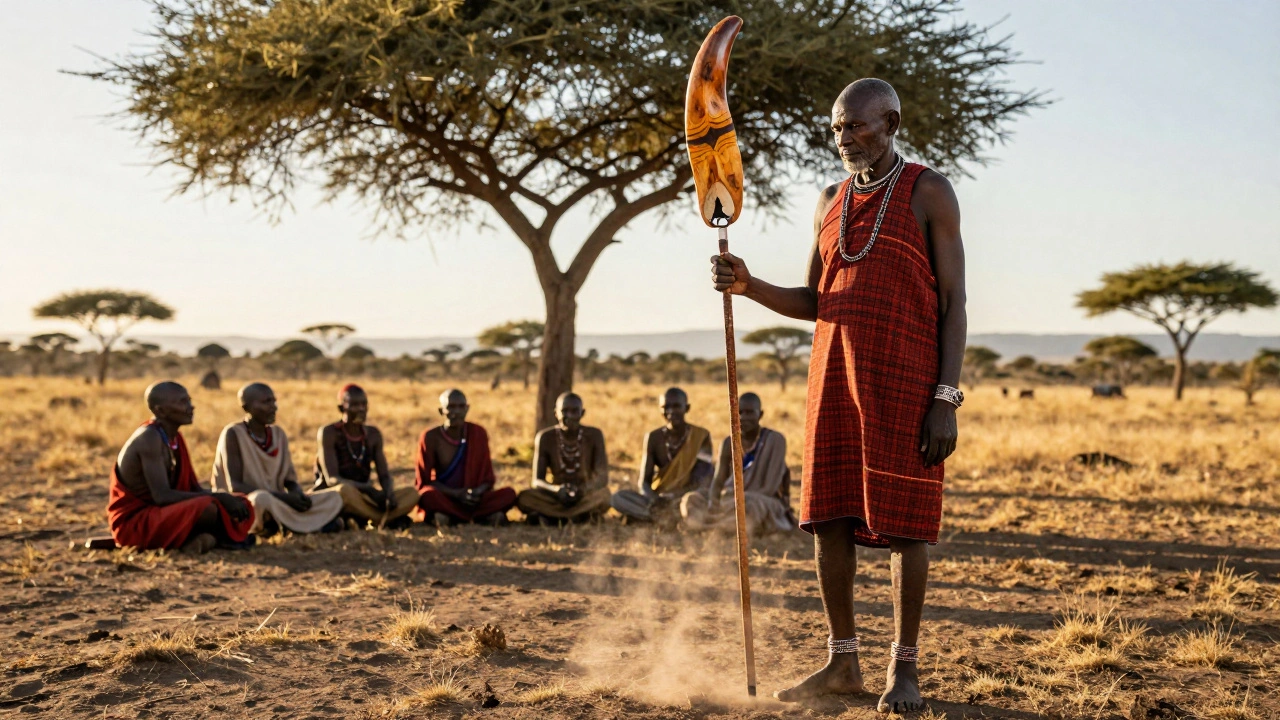
The rungu is a traditional African staff that symbolizes authority, wisdom, and calm leadership among East African tribes like the Maasai. Far from being a weapon, it's a tool of presence that guides decision-making and maintains social order.
Latest Posts
Swedish Massage for Complete Body and Mind Detox: Unlocking the Secrets to Ultimate Relaxation
Apr 2 2024 Health and Wellness