
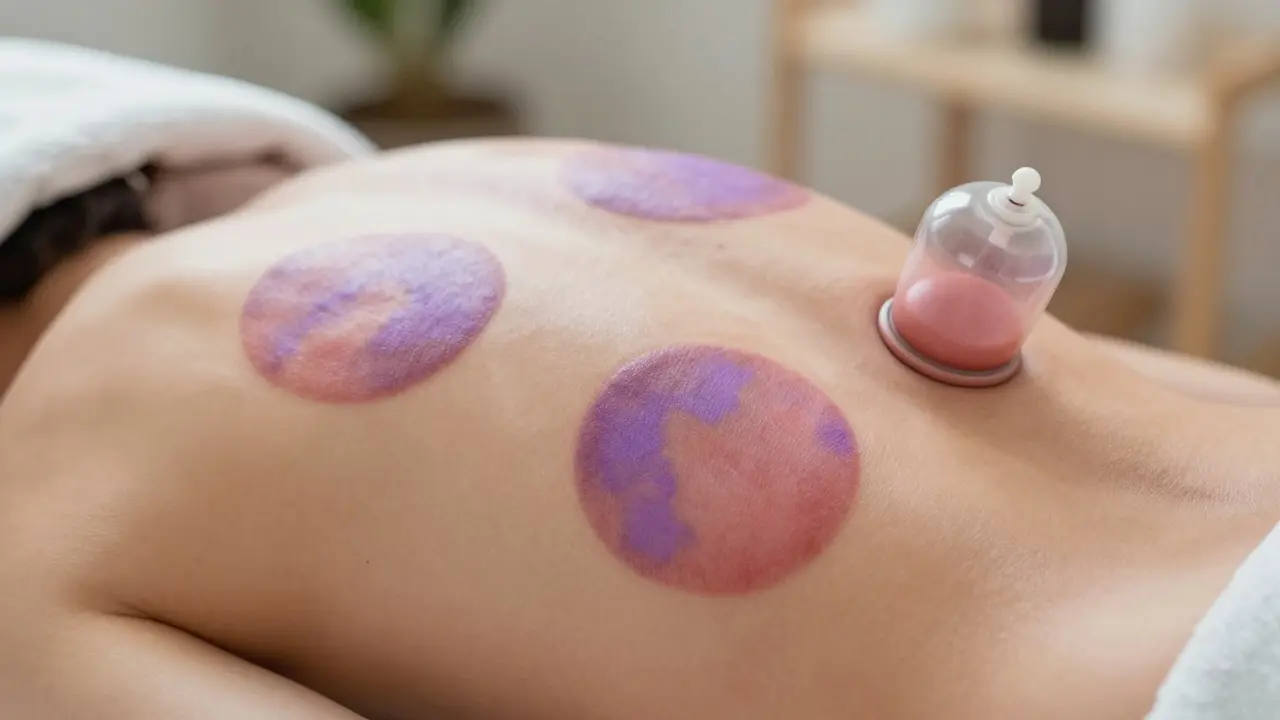
You’ve probably seen them. Those distinct, circular bruises on the backs of athletes like LeBron James or swimmers like Michael Phelps. They look like something out of a horror movie, but in the world of fitness and wellness, they are badges of honor. This is cupping therapy, an ancient practice that has exploded into the mainstream spotlight over the last decade. But here is the real question: Is it just a flashy Instagram trend, or does it actually do something for your body?
As someone who has spent years navigating the Sydney wellness scene, I’ve watched cupping go from a niche offering in traditional Chinese medicine clinics to a staple in high-end physiotherapy centers and even some trendy yoga studios. The curiosity is understandable. When you see celebrities flaunting these marks, you want to know if it’s worth trying yourself. Let’s cut through the hype and look at what this therapy really involves, how it works, and whether it belongs in your self-care routine.
What Exactly Is Cupping Therapy?
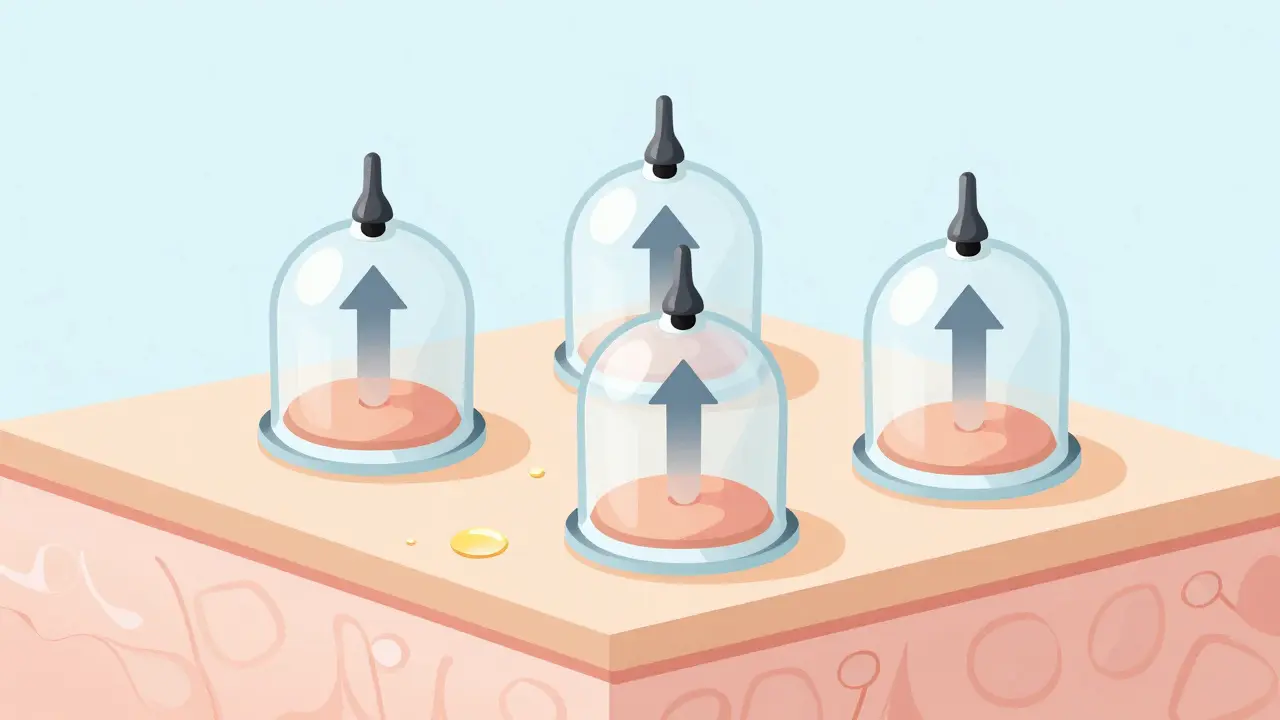
At its core, cupping is a form of suction therapy. Unlike massage, where pressure is applied inward onto the muscles, cupping pulls outward. Practitioners place special cups-made from glass, bamboo, silicone, or plastic-on your skin. They then create a vacuum inside the cup. This suction draws the skin and underlying muscle tissue upward into the cup.
The sensation is unique. It doesn’t hurt in the way a punch hurts. Instead, it feels like an intense, deep stretch. You might feel a tightness or a pulling sensation as the tissue lifts. Most people describe it as relaxing once the initial surprise wears off. The goal is to increase blood flow to the area, which proponents believe helps with pain relief, inflammation, and relaxation.
There are two main ways this is done:
- Static Cupping: The cups stay in one place for 5 to 15 minutes. This is the method that leaves those famous round marks.
- Moving (or Gliding) Cupping: Oil is applied to the skin first, allowing the practitioner to slide the cups around. This feels more like a deep-tissue massage and usually doesn’t leave dark marks because the friction prevents the capillaries from breaking as easily.
The History Behind the Hype
It feels new because social media made it viral, but cupping is incredibly old. We are talking thousands of years old. Evidence suggests it was practiced in Ancient Egypt, China, and the Middle East long before modern medicine existed. In Traditional Chinese Medicine (TCM), it was used to balance energy flow, known as Qi. In Western herbalism, it was often used to draw out toxins or treat respiratory issues.
For decades, it remained largely within specific cultural communities. Then, the 2016 Rio Olympics happened. Athletes started showing up with those purple circles, and suddenly, the West took notice. It wasn’t just about looking cool; elite athletes were using it for recovery. This bridge between ancient tradition and modern sports science is what fueled the current boom.
Does It Actually Work? The Science vs. The Belief
This is where things get tricky. If you ask a TCM practitioner, they will tell you it moves stagnant energy and clears blockages. If you ask a sports physiotherapist, they will talk about hemodynamics and fascial release. What does the research say?
The scientific consensus is mixed but leaning positive for specific conditions. Several systematic reviews have suggested that cupping can provide short-term pain relief for conditions like lower back pain, neck pain, and knee osteoarthritis. The mechanism isn't fully understood, but many experts believe it triggers the "counter-irritation" effect. By creating a controlled irritation (the suction), your brain gets distracted from deeper, chronic pain signals. It also increases local blood circulation, which may help flush out metabolic waste products like lactic acid, though the evidence on lactic acid removal specifically is debated.
However, we need to be honest about the limitations. There aren’t massive, double-blind clinical trials proving it cures diseases. Much of the evidence comes from smaller studies or anecdotal reports. For many people, the benefit might partly come from the placebo effect-the belief that something good is happening to their body can genuinely reduce pain perception. That doesn’t make the relief any less real, but it’s important to manage expectations.
Who Should Try Cupping? (And Who Should Avoid It)
Cupping isn’t for everyone. While it’s generally safe when performed by a trained professional, there are clear red flags. You should avoid cupping if you have:
- Skin conditions: Eczema, psoriasis, or open wounds in the area being treated.
- Bleeding disorders: Or if you are taking blood-thinning medication, as the suction can cause excessive bruising or bleeding under the skin.
- Pregnancy: Especially on the abdomen and lower back, as certain points are believed to stimulate uterine contractions.
- Fever or acute inflammation: It’s best to wait until the acute phase passes.
On the flip side, who benefits most? People dealing with chronic muscle tension, particularly in the upper back and shoulders, often report significant relief. Athletes use it for recovery after intense training. Even office workers who spend all day hunched over laptops find that moving cupping on the thoracic spine helps open up the chest and improve posture awareness.
The Marks: Why Do They Look Like Bruises?
If you’re worried about walking into work with purple circles on your back, don’t be. The marks, technically called ecchymosis, are not bruises in the traditional sense. They are caused by the rupture of tiny capillaries under the skin due to the negative pressure. Think of it like sucking too hard on your arm with a straw-it leaves a mark.
The color of the marks can vary:
- Light pink: Indicates mild stagnation or healthy circulation.
- Dark purple or black: Suggests older stagnation or poor blood flow in that area.
- No mark: Means the tissue was already well-oxygenated and flexible.
In TCM, practitioners interpret these colors to diagnose your internal state. In Western terms, it’s just a visual indicator of how much micro-trauma occurred. The marks usually fade within 3 to 7 days, depending on your skin type and metabolism. Hydrating well after treatment can help them disappear faster.
How to Find a Qualified Practitioner
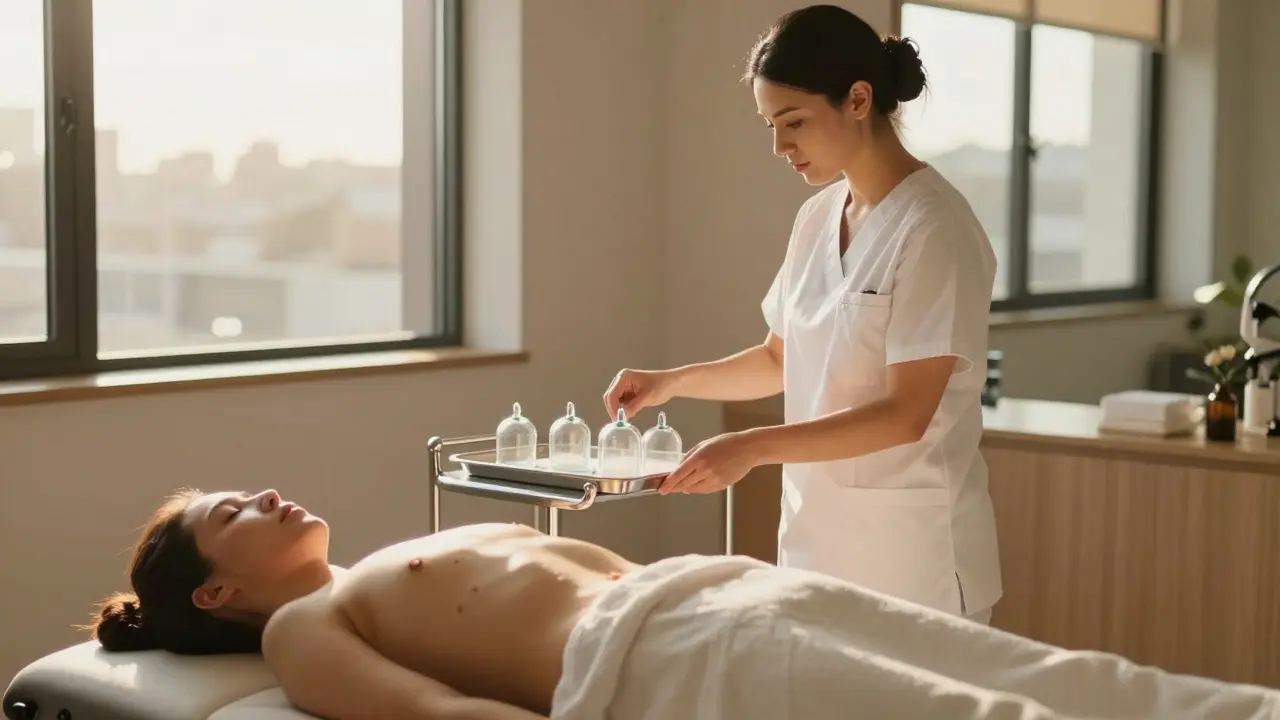
This is crucial. Because the barrier to entry for some wellness certifications can be low, not every person offering cupping is equally skilled. In Australia, cupping is often offered by registered massage therapists, physiotherapists, or acupuncturists. Look for someone who holds a relevant qualification, such as a Diploma of Remedial Massage or a degree in Physiotherapy.
A good practitioner will:
- Consult with you first: They should ask about your medical history, pain levels, and goals.
- Explain the process: Tell you what to expect, how long the cups will stay on, and what the aftercare involves.
- Use clean equipment: Cups must be sterilized between clients. Silicone cups are easy to wash, while glass cups require proper autoclaving.
- Adjust the pressure: It should never be painful. If it burns or stings sharply, tell them immediately.
Avoid anyone who offers cupping in a non-clinical setting without checking their credentials, like a random booth at a festival or an unlicensed home setup. Hygiene is non-negotiable.
What to Expect During and After Your Session
Your first session will likely start with a conversation. Lie face down on the table, exposing only the area to be treated. The practitioner will apply oil if doing moving cupping, or place dry cups for static treatment. You’ll feel the pull. Breathe deeply. Relax into the sensation rather than tensing up against it.
After the cups are removed, you might feel warm and tingly. Some people feel immediate relief, while others notice the benefits building over the next 24 to 48 hours. It’s common to feel slightly tired afterward, similar to the post-massage slump. Drink plenty of water to help your body process the increased circulation. Avoid cold showers or air conditioning directly on the treated areas for a few hours, as the pores are open and sensitive.
Is It Worth the Hype?
So, is cupping therapy just a fad? Probably not. Fads fade quickly. Cupping has survived millennia. Its resurgence is driven by a genuine desire for non-invasive, drug-free pain management options. While it won’t cure cancer or fix a broken bone, it is a powerful tool for managing soft tissue pain, improving mobility, and promoting relaxation.
If you’re skeptical, try it once. Approach it with an open mind but realistic expectations. It’s not magic, but for many, it’s a missing piece in their recovery puzzle. Whether you’re an athlete chasing peak performance or just someone trying to shake off the stiffness of a sedentary job, cupping might offer the reset your muscles need.
Does cupping therapy hurt?
Most people describe cupping as feeling like a strong, deep stretch rather than pain. The suction creates a pulling sensation that can be intense, especially if you are tense. However, it should not be sharp or burning. If it hurts, communicate with your practitioner so they can adjust the suction level.
How long do the cupping marks last?
The circular marks typically last between 3 to 7 days. They fade gradually, turning from dark purple to yellowish-green before disappearing completely. Drinking plenty of water and keeping the area warm can help speed up the fading process. Moving cupping usually leaves little to no visible marks.
Can I shower after cupping?
Yes, you can shower, but it is recommended to wait at least 4 to 6 hours after treatment. During this time, your pores are open and the skin is sensitive. Avoid very hot or very cold water, and do not let air conditioning blow directly on the treated areas. Gentle, lukewarm water is best.
Is cupping safe for everyone?
Cupping is generally safe for healthy adults, but it is not suitable for everyone. Avoid it if you have bleeding disorders, are taking blood thinners, have open wounds or skin infections, are pregnant (especially on the abdomen/lower back), or have a fever. Always consult a healthcare provider if you have underlying health conditions.
How often should I get cupping therapy?
Frequency depends on your goals. For acute pain or injury, weekly sessions might be recommended for a few weeks. For maintenance or general wellness, once a month or every few weeks is often sufficient. Listen to your body and follow the advice of your qualified practitioner. Do not treat the same area repeatedly until the previous marks have faded.
 Health and Wellness